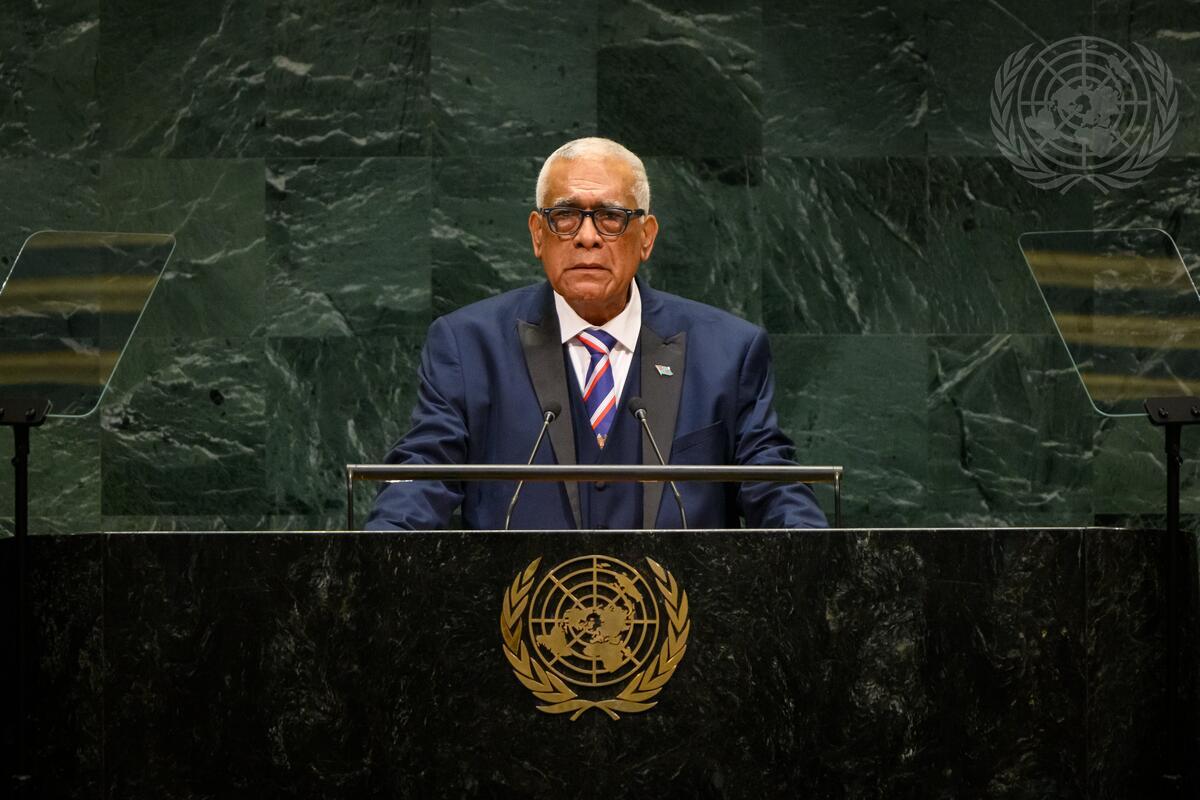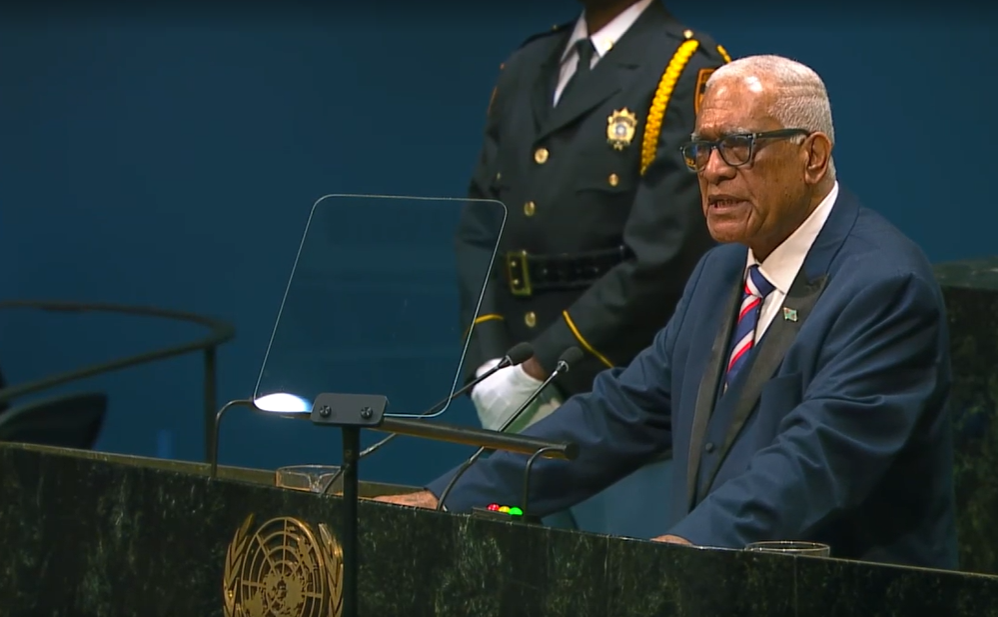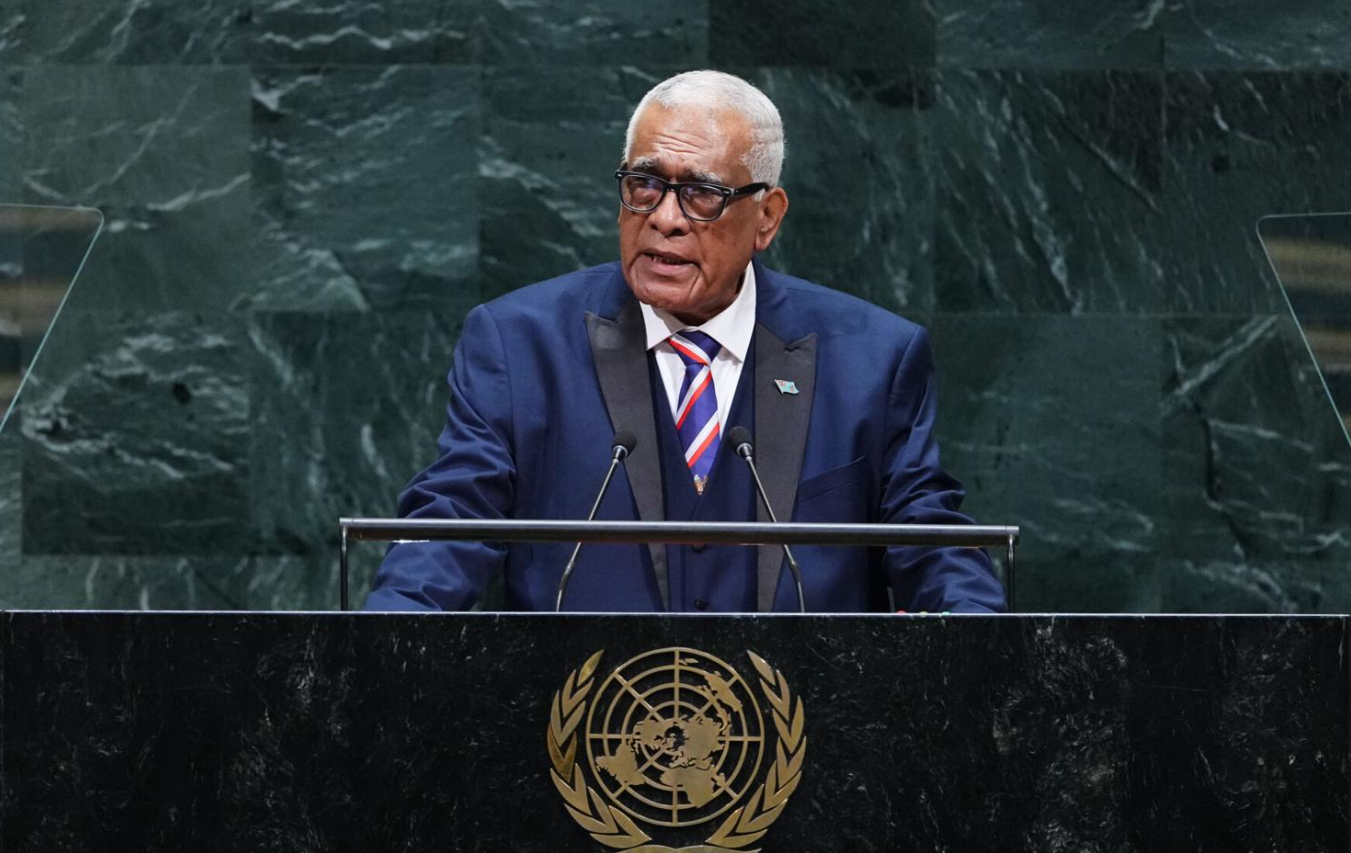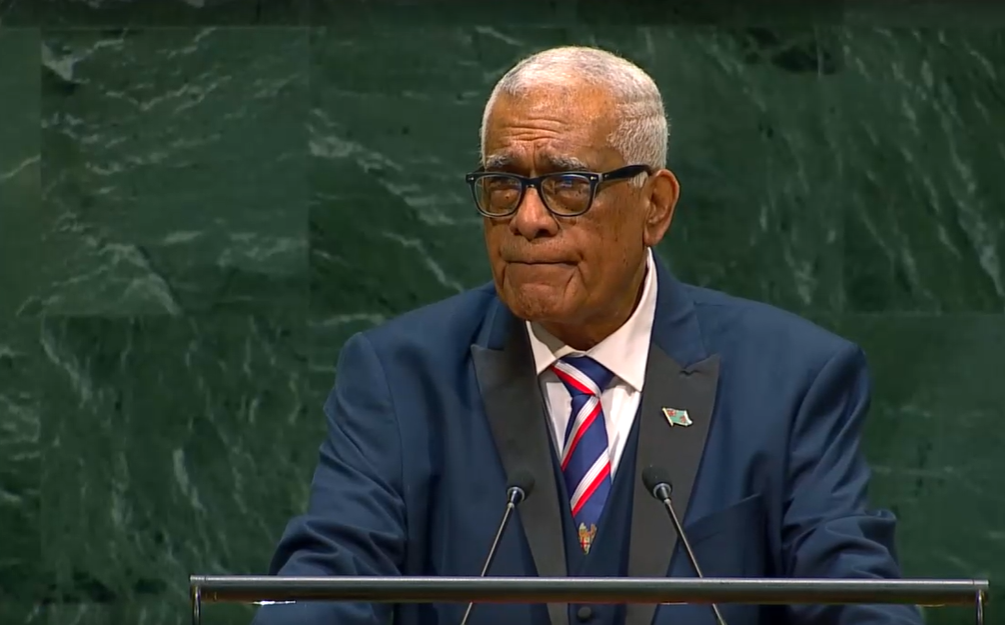
Countries recruiting Fiji’s nurses, teachers and other skilled workers should also invest in the systems that train them, President Ratu Naiqama Lalabalavu has told the United Nations General Assembly.
Speaking in New York, Ratu Naiqama warned that labour mobility must not become a one-way transfer of Fiji’s skilled workforce.
“Mobility must also not become a one-way transfer of the people that we have trained,” he said.
“Fiji does not begrudge any Fijian the chance to build a life abroad. We ask only that those who recruit our nurses and teachers invest in the systems that produce them.”
The President also highlighted the growing importance of remittances, describing them as Fiji’s third-largest source of foreign exchange and a direct source of support for households.
“They pay for school fees, rebuild homes after cyclones and sustain families between harvests,” Ratu Naiqama said.
“Your Excellencies, they are not aid. They are the earnings of Fijians abroad and sent home.”
However, he raised concerns about the high cost of transferring money to Pacific countries, saying Pacific remittance corridors remained among the most expensive in the world.
He referred to commitments to reduce transfer costs to below three per cent and eliminate corridors charging more than five per cent, saying Fiji wanted those commitments treated seriously.
“Fiji asks that this be treated as an obligation and not an aspiration,” he said.
Ratu Naiqama also linked migration to Fiji’s history of political upheaval and the country’s ongoing reconciliation process.
He said not every Fijian living overseas had left purely in search of employment or economic opportunities.
“Not every Fijian abroad left in search of work,” he said.
“Some left in seasons of upheaval when they did not feel that the country was theirs. They are Fijians still, and so are their children.”
The President also warned that with 2030 approaching, too many Sustainable Development Goals remained off track.
He said traditional measures such as national income failed to adequately reflect the challenges faced by vulnerable island states, including remoteness, exposure to disasters and the repeated cost of rebuilding.
Ratu Naiqama called for the Multidimensional Vulnerability Index to move “from adoption to application” so the particular vulnerabilities faced by small island developing states were better recognised.