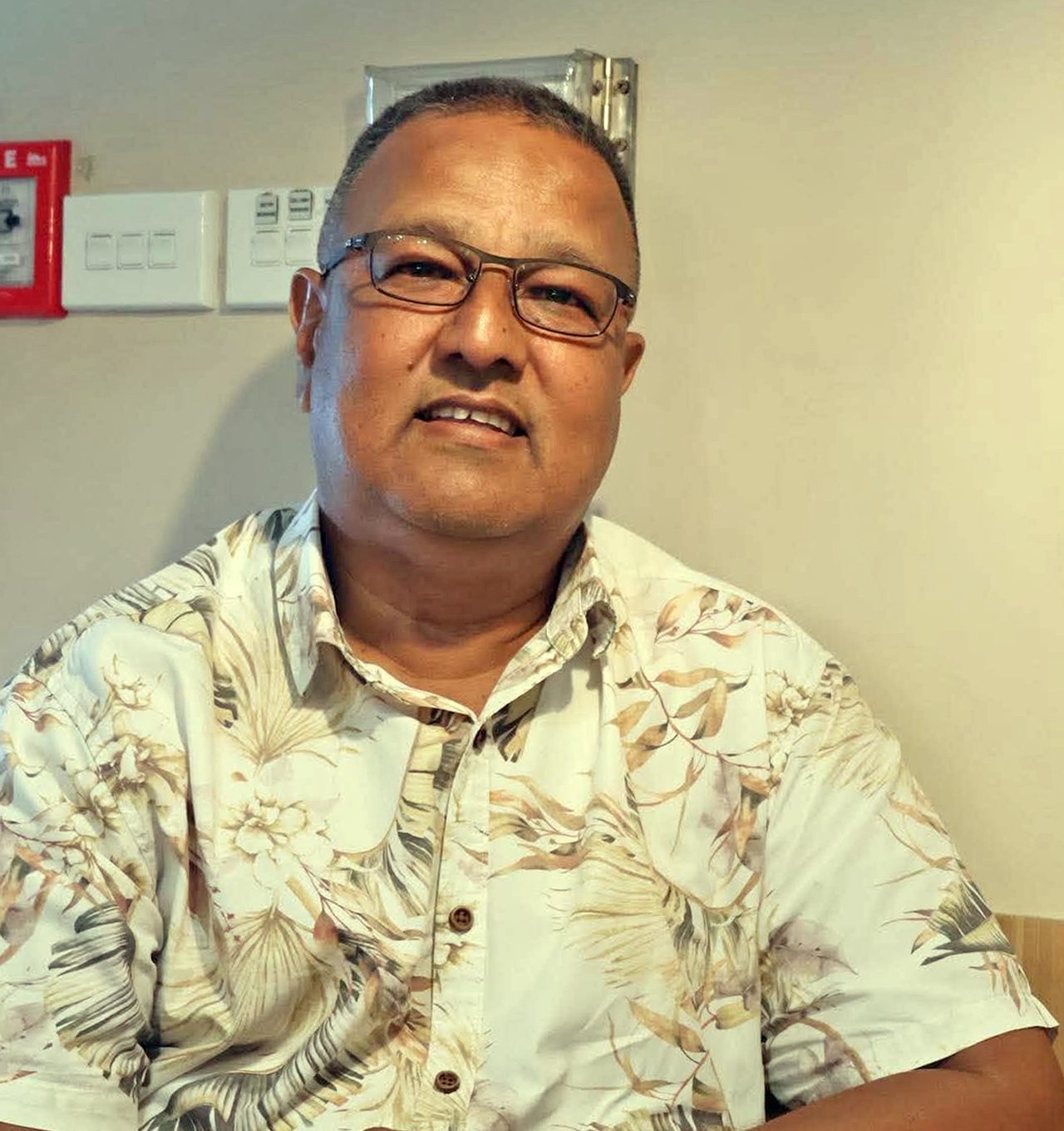
A PROSTATE cancer diagnosis during the COVID-19 pandemic changed the life of 63-year-old Ajit Chand, leaving him with a difficult treatment journey and a lasting reminder of the importance of early medical checks.
A prostate cancer survivor, he initially dismissed his difficulty passing urine as a minor problem until the frequent trips to the toilet began disrupting his daily routine.
He said he was visiting the toilet every 30 minutes to an hour before deciding to seek medical attention from urologist Dr Sireli Kaloucava.
A biopsy later confirmed prostate cancer, a diagnosis that came as devastating news to him and his family.
With treatment unavailable locally, Mr Chand travelled to India, where he underwent treatment at Max Hospital in Ghaziabad, Delhi.
He spent three and a half months there, completing 38 sessions of radiation therapy.
Although doctors told him the cancer was controlled, the treatment damaged his urinary tract, leaving him with persistent urinary leakage.
“The saddest part was that I had to go on to diapers because the leakage was still there,” he said.
The complications affected his confidence, daily activities, and family life, while the emotional strain brought anxiety and frustration.
“There are some situations that came around, and life definitely changes when you have prostate cancer.”
Mr Chand said the journey would have been even more difficult without the support of his wife and children, relatives, and friends, who organised fundraising efforts to help meet the cost of his overseas treatment.
He also acknowledged the Fiji Cancer Society for providing diapers and pull-ups to help him manage the complications.
As men are encouraged to pay closer attention to their health during Movember, Mr Chand urged those aged 40 and above to discuss prostate health checks with their healthcare providers.
“I encourage men not to dismiss changes in their health, stressing that seeking medical advice early could make a difference in their treatment journey.”