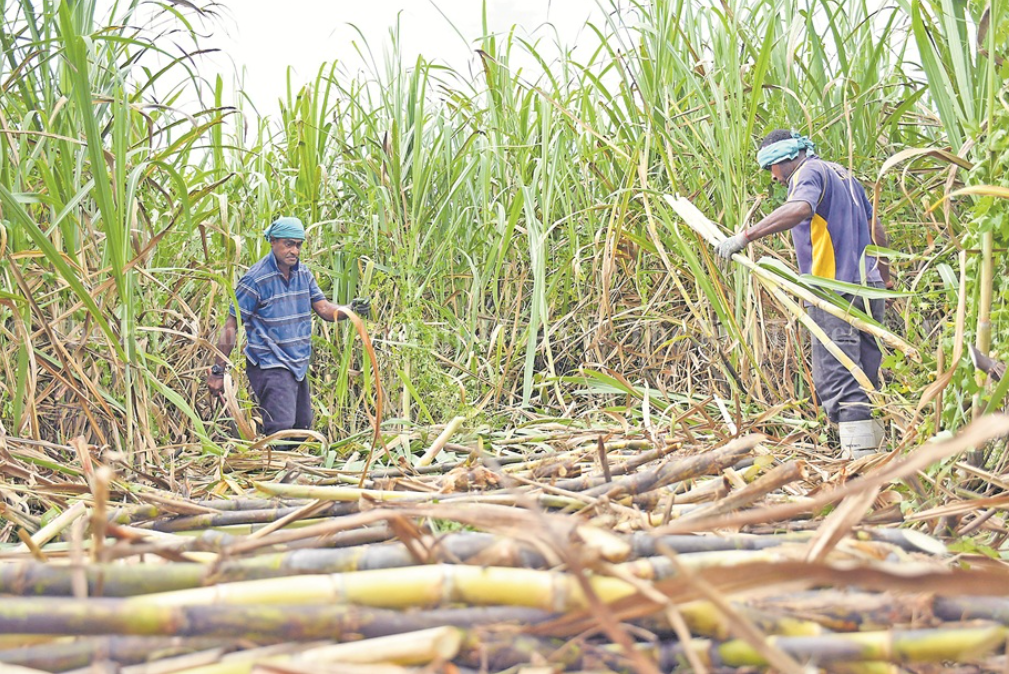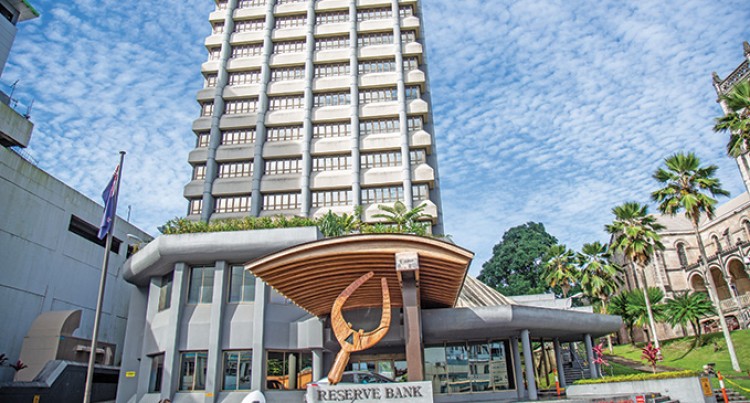
Businesses adversely affected by the ongoing El Niño-induced drought will have access to a $100 million financing facility as the Reserve Bank of Fiji (RBF) moves to support economic recovery and business continuity.
The central bank has announced the reopening of its Disaster Rehabilitation and Containment Facility (DRCF) from December 1, 2026, to April 30, 2027.
Under the facility’s existing guidelines, revised in February 2023, micro, small and medium enterprises (MSMEs), as well as large businesses, can access loans through commercial banks, the Fiji Development Bank and licensed credit institutions.
The guidelines provide for a maximum lending interest rate of 3.99 per cent per annum, with repayment terms of up to five years.
Approved financial institutions can borrow from the RBF at an interest rate of 0.25 per cent per annum and on-lend to eligible businesses.
Under the existing guidelines, businesses can access loans ranging from $10,000 to $100,000, depending on their annual turnover, with Government loan guarantees ranging from 75 to 90 per cent.
The guidelines also allow the RBF to approve loans exceeding the specified limits under special circumstances, although such loans would not qualify for the Government guarantee.
The facility provides financing for new loans only, with businesses required to meet the credit assessment requirements of their respective lending institutions.
More than one business within a group may qualify for funding, although individual entities cannot borrow under the scheme from multiple financial institutions.
Applications must be submitted through approved lenders, with loan approvals remaining at the discretion of the respective financial institutions.
The reopening of the facility comes as the RBF warns that El Niño-related dry weather will have a broader impact on economic activity next year.
Fiji’s economic growth forecast for 2027 has been revised downwards from 2.5 per cent to 2 per cent, with agricultural production, water supply and hydropower generation expected to be adversely affected by the drought.
The central bank has also warned that reduced agricultural output will place further upward pressure on locally grown food prices.