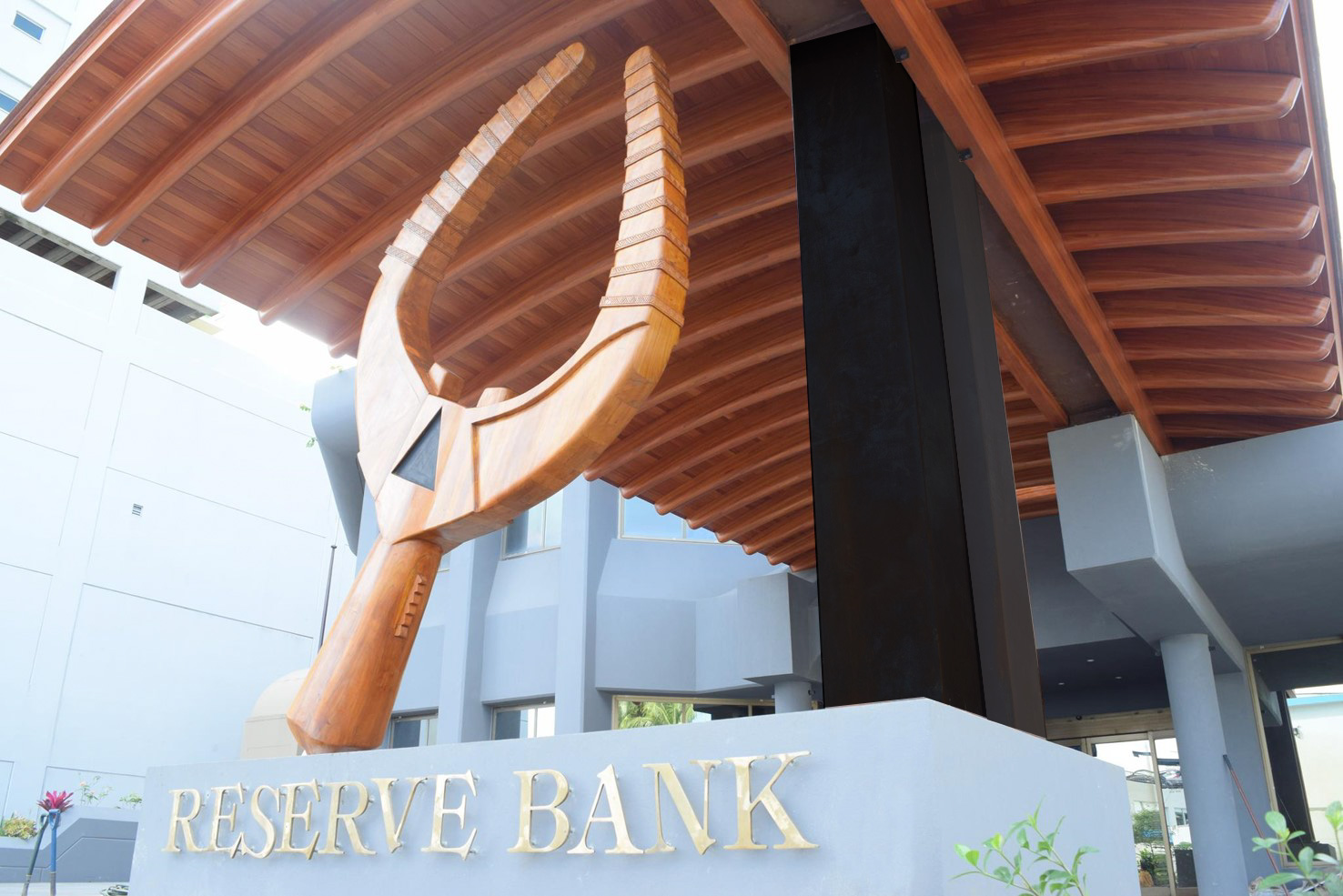
Fiji’s labour market is showing mixed signals, with job advertisements falling sharply while formal employment and wages continue to increase, according to the Reserve Bank of Fiji’s August Economic Review.
Newspaper job advertisements declined by 30.5 per cent in the first seven months of 2026, reflecting weaker recruitment intentions across most sectors.
The Reserve Bank said the decline was particularly evident following the Government’s public service hiring freeze, as well as reduced vacancies in the transport, storage and communication, wholesale and retail trade, and business services sectors.
Despite the weaker demand for new workers, formal employment continued to expand.
Formal employment increased by 1.7 per cent to 205,596 workers by June, while total wages paid rose by 7.9 per cent.
The RBF said labour supply was also being affected by increased outward migration.
A total of 1,834 workers left Fiji under outward labour mobility arrangements in the first seven months of the year, an increase of 20 per cent.
The increase was mainly driven by participation in the Pacific Australia Labour Mobility (PALM) scheme.
Long-term resident departures also increased by 5.9 per cent, with departures for employment rising by 17.2 per cent and those for other purposes increasing by 21.1 per cent.
The figures point to a labour market where fewer new vacancies are being advertised domestically, while existing formal employment remains relatively resilient and more workers are seeking employment opportunities overseas.