
Young iTaukei must be given opportunities to lead and contribute, with failure to engage them in meaningful roles potentially leaving them vulnerable to challenges such as Fiji’s growing drug crisis.
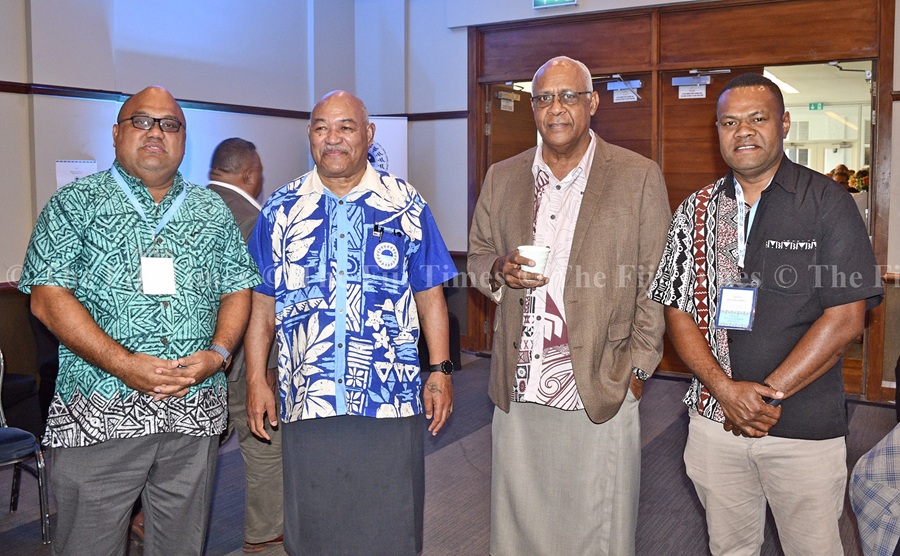
Speaking during the Pacific Peace and Security Dialogue Great Council of Chiefs Chair Ratu Viliame Seruvakula highlighted traditional iTaukei practices where younger generations were gradually entrusted with responsibilities and leadership roles.
He said the traditional approach remained relevant today and should continue to be strengthened.
“We don’t believe for long that we can do that, even in this modern day of time,” he said.
Ratu Viliame said efforts were being made to work together and develop future leaders, noting that leadership succession within the Great Council of Chiefs presented unique challenges.
He explained that becoming a chief was not a position that individuals applied for or qualified for through formal processes.
“When it’s your time, it’s your time. You take the seat and you’re expected to lead.”
Ratu Viliame said the Great Council of Chiefs had identified challenges related to leadership preparedness and was taking steps to address them.
He said discussions within the council were being used to introduce emerging issues and challenges, helping leaders understand the consequences of failing to respond to matters affecting communities, particularly young people.
“We give them an opportunity to take the lead.”
As part of these efforts, Ratu Viliame said a Diploma in Traditional Leadership program had been established to help future leaders better understand development, leadership in modern times and the consequences of neglecting development issues.
He said the program was intended to prepare future chiefs and leaders to engage with complex issues and identify solutions. He expressed hope that in the next 15 to 20 years, members of the Great Council of Chiefs would be better equipped to discuss challenging matters and effectively address the issues facing their communities.

