
Parents and guardians must not allow income-generating activities to interfere with their children’s education, Permanent Secretary for Employment, Productivity and Workplace Relations Jone Maritino Nemani says.
Responding to growing public concern over children selling roti parcels, muffins and other goods at night, Mr Nemani reminded families that while children can participate in small business activities, the law places strict limits on work involving minors.
“However, there is a clear line in the law. If work is affecting a child’s schooling, homework, study time, attendance, rest or academic performance, then it is not acceptable,” he said.
Mr Nemani said the Employment Relations Act 2007 permits children aged 13 to 15 years to perform only light work, provided it does not harm their health, development or education.
“A child’s primary responsibility is to learn. Their future depends on education. No child should be placed in a situation where earning income becomes more important than completing homework, preparing for examinations or getting enough rest before school.”
He warned parents and guardians to watch for signs that work may be negatively affecting a child’s education.
“If a child is regularly returning home late, missing study time, struggling to complete homework, arriving at school tired or showing declining academic performance, those are warning signs that the arrangement may not be in the child’s best interests and may not comply with the law.”
Mr Nemani stressed that the responsibility for providing for children rests with adults, not children themselves.
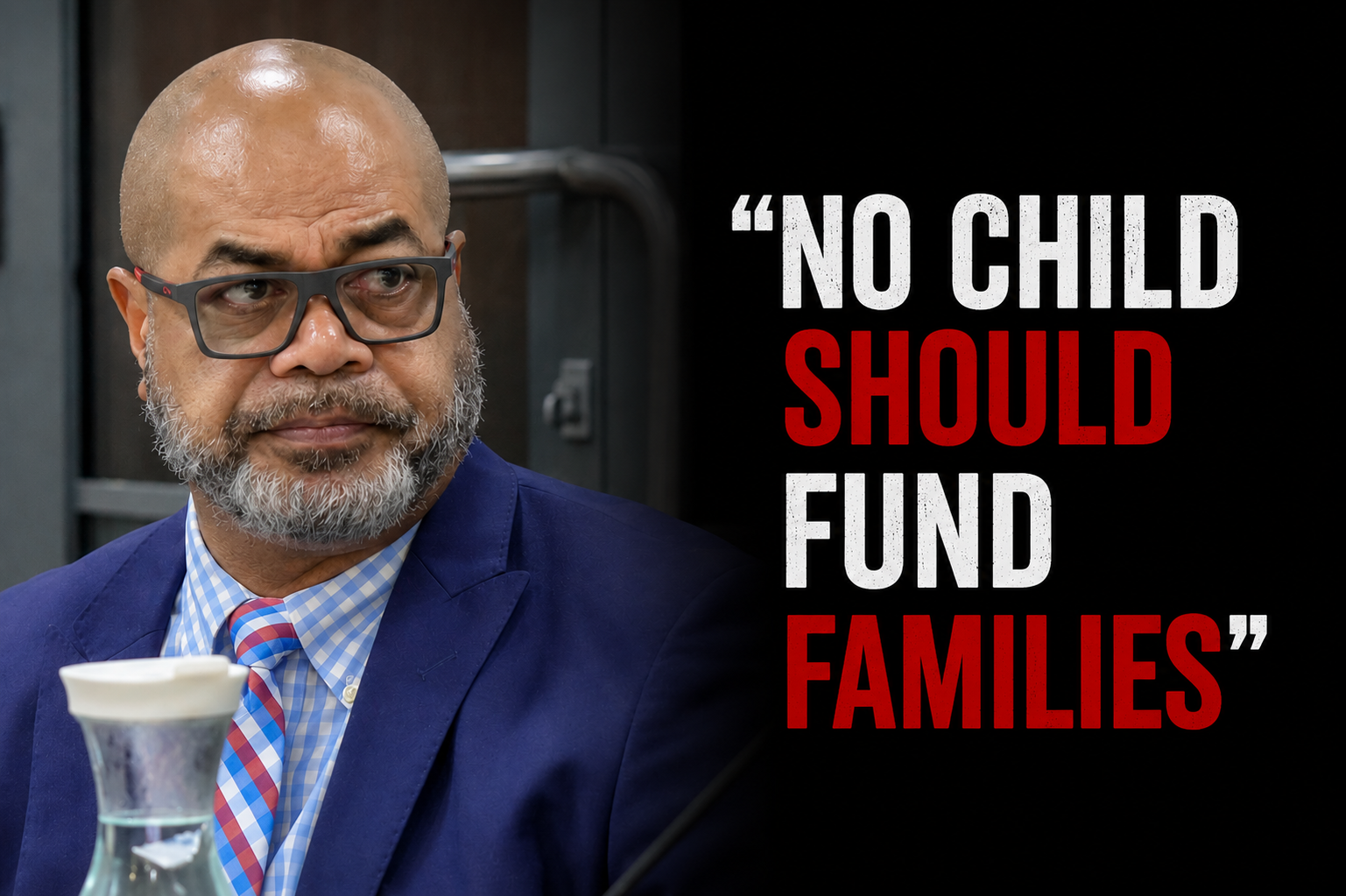
“A child does not choose to be born. It is the fundamental responsibility of parents and guardians to provide for their children’s needs, including food, shelter, education and care. Parents must never shift that responsibility onto their children.”
He added that it was unacceptable for capable adults to rely on children to generate household income.
“It is unacceptable for adults to send children out to work, sell goods or beg for money while they remain at home and are capable of providing for their families themselves. Children should not be carrying the financial burden of a household.”
Mr Nemani also reminded employers and business operators of their legal obligations under the Employment Relations Act to ensure that any work performed by children complies with the law.
“The law is designed to protect children. Education must never be sacrificed for income, no matter how well-intentioned the arrangement may be.”
As Fiji marked World Day Against Child Labour on June 12, Mr Nemani said protecting children’s right to education was critical to the country’s future.
“The future of our nation depends on the education of our children. Homework, learning and school attendance must always come before work. No child should have their future compromised because income has taken priority over education,” he said.

