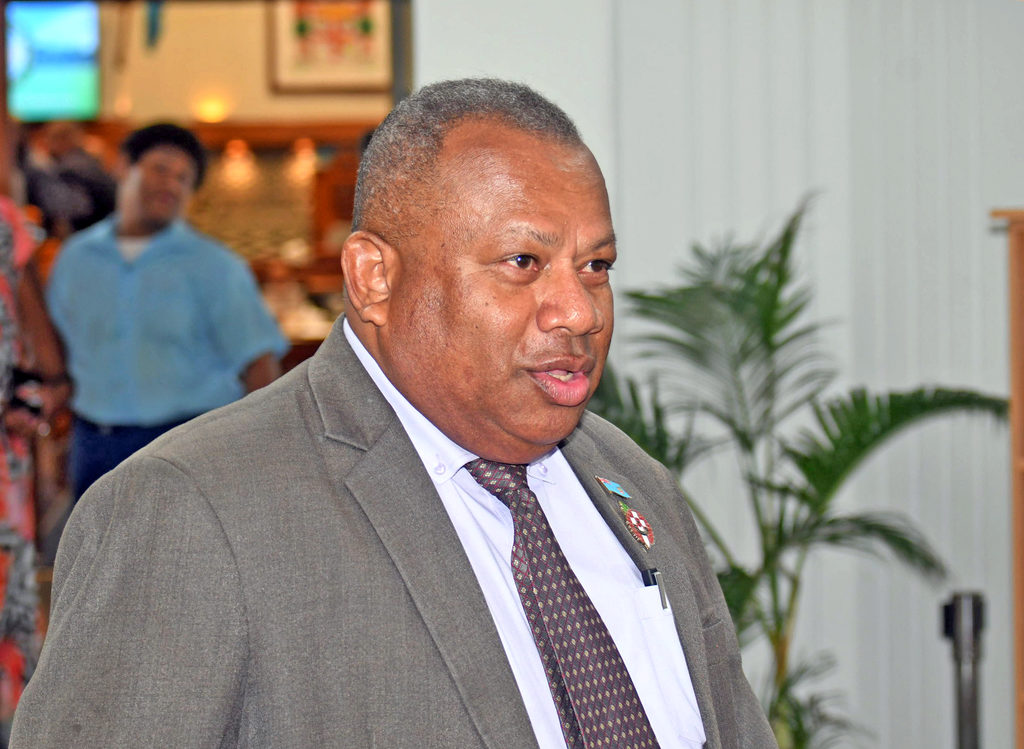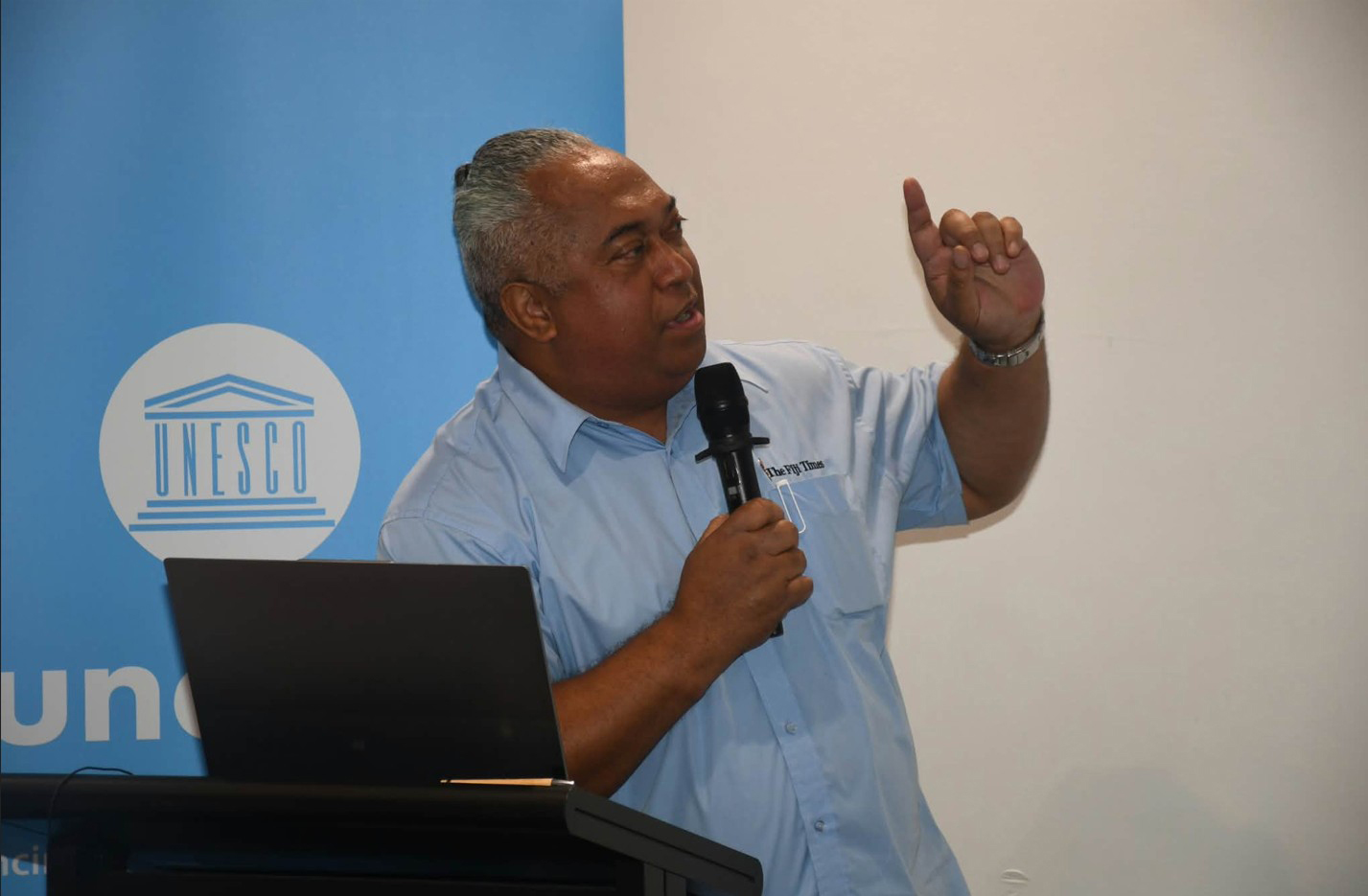
STRONGER newsroom safety measures, digital security, legal support and trauma counselling are needed to protect journalists in Fiji and the Pacific from growing threats and intimidation, says The Fiji Times editor-in-chief Fred Wesley.
Speaking at the Breakfast Dialogue on Journalists Safety and Media Freedom in the Pacific in Suva yesterday, held to mark the International Day to End Impunity for Crimes Against Journalists, Wesley called for greater attention to the physical, psychological and professional risks faced by journalists.
He said intimidation could take many forms, including harassment by military personnel, pressure from government officials and unfair treatment by security officers.
Wesley recalled an incident involving a female staff member who was harassed by military personnel and pressured to reveal a source for a story involving the military.
He also highlighted an incident in which a The Fiji Times team was singled out by security personnel at an army camp while journalists from other media organisations were allowed entry.
“Press freedom is not only threatened through arrests, detention, or physical violence, it can also be undermined through humiliation, intimidation, and a constant attempt to make journalists feel unwelcome while carrying out legitimate work,” he said.
Wesley also raised concerns about the psychological impact of reporting on disasters, recalling the experiences of The Fiji Times journalists covering Severe Tropical Cyclone Winston in 2016.
“Our staff were not just observers, they were human beings exposed to frightening and traumatic situations,” he said.
He said online harassment, cyber attacks, misinformation and disinformation had further increased the risks faced by journalists, particularly women in the media.
Wesley stressed that protecting journalists required more than condemning attacks, calling for practical support systems to ensure media workers could perform their duties safely and independently.