
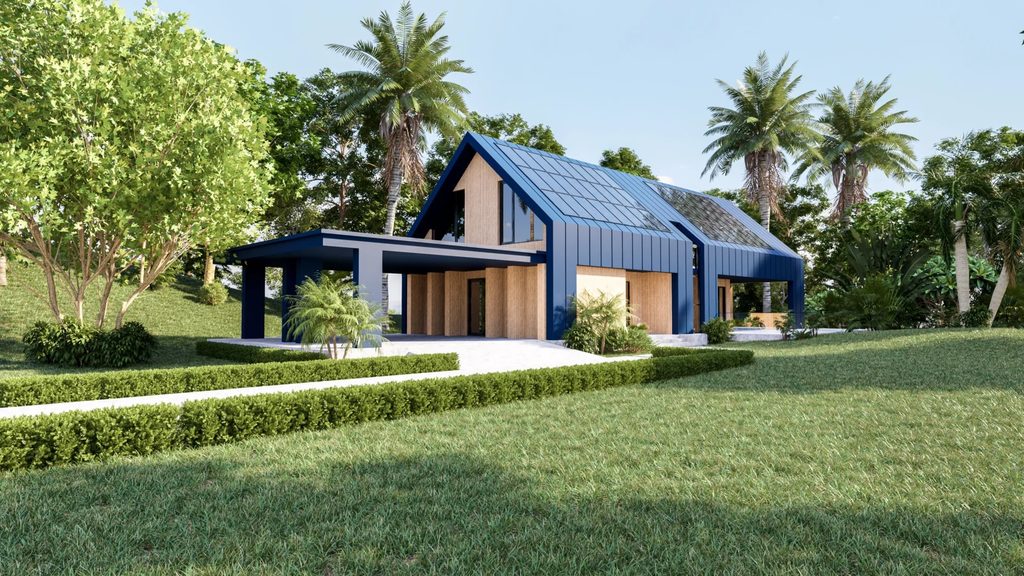
WHEN done right, tropical houses embrace natural beauty, minimize energy consumption, and provide spaces that flow harmoniously with the environment.
Today’s article explores five key features that make tropical house designs not just stunning, but incredibly effective in enhancing the quality of your life.
Open-air living concepts
At the heart of tropical house design is an emphasis on open spaces. The tropical climate encourages a relaxed, free-flowing living experience, and open-air concepts are a perfect fit.
By removing unnecessary walls and embracing minimalist layouts, tropical homes offer an expansive feel, where the indoors blend seamlessly with the outdoors.
The integration of large glass doors, open windows, and spacious patios creates continuous airflow, bringing in the fresh breeze and allowing homeowners to connect with nature.
This openness not only improves ventilation but also nurtures a sense of freedom and flexibility within the home.
Passive cooling techniques
One of the standout features of tropical house design is its focus on passive cooling techniques. In tropical climates like Bali, managing heat is essential, and these homes excel at keeping temperatures comfortable without relying heavily on artificial cooling.
High ceilings and large windows allow for cross ventilation, where cool air flows freely through the house, while warm air escapes through the higher openings.
Roof overhangs, pergolas, and deep balconies offer much-needed shade to protect interiors from direct sunlight.
These techniques work in harmony with the environment, ensuring a naturally cooler and more comfortable living space.
Natural and local materials
Tropical house design celebrates the beauty of natural and locally sourced materials, which are perfectly suited to the region’s climate. Materials such as bamboo, teak wood, natural stone, and rattan are commonly used, each chosen for their ability to stand up to the humid environment while maintaining aesthetic appeal.
These materials are durable and offer warmth and texture that can make a space feel inviting and grounded.
Furthermore, using local materials reduces the carbon footprint associated with transporting materials from distant locations, making the design more sustainable.
It also creates a home that blends seamlessly with the surrounding landscape.
Elevated or floating structures
Raising the structure of a tropical home above the ground is another crucial design element. This approach is particularly useful in areas prone to flooding or high humidity. Elevating the structure keeps it safe from water damage while providing better airflow underneath, which naturally cools the space.
By elevating the building, the home benefits from a lighter, airier feel, preventing moisture build-up in the lower areas and improving the overall comfort of the space.
In addition, the raised architecture adds a unique aesthetic quality to the design, making it visually striking and in harmony with the natural environment.
Lush landscaping integration
A hallmark of tropical house design is the seamless integration of landscaping with the built environment. Tropical homes often blur the line between the indoor and outdoor spaces, incorporating lush gardens, green walls, and tropical vegetation that contribute to privacy and microclimate control.
Outdoor living areas like patios, garden paths, and water features further enhance the tropical atmosphere, while also providing practical solutions for creating cooler, more comfortable environments.
Also, native plants require less maintenance, making them an ideal choice for your tropical homes.
Water features like ponds or plunge pools not only add to the beauty of the space but also create a calming ambiance, making the home feel like a sanctuary.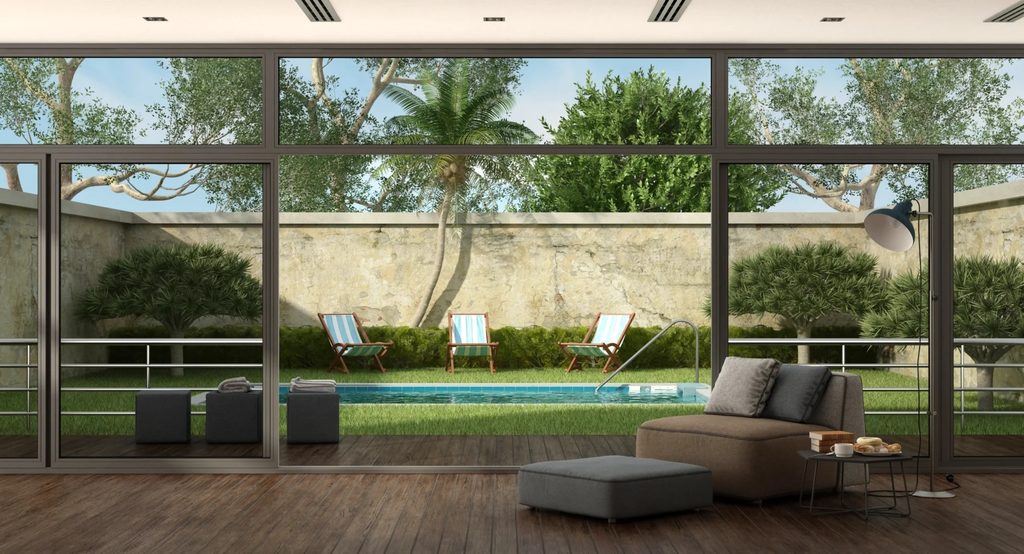
By removing unnecessary walls and embracing minimalist layouts, tropical homes offer an expansive feel, where the indoors blend seamlessly with the outdoors.
Picture: manondesignstudio.com
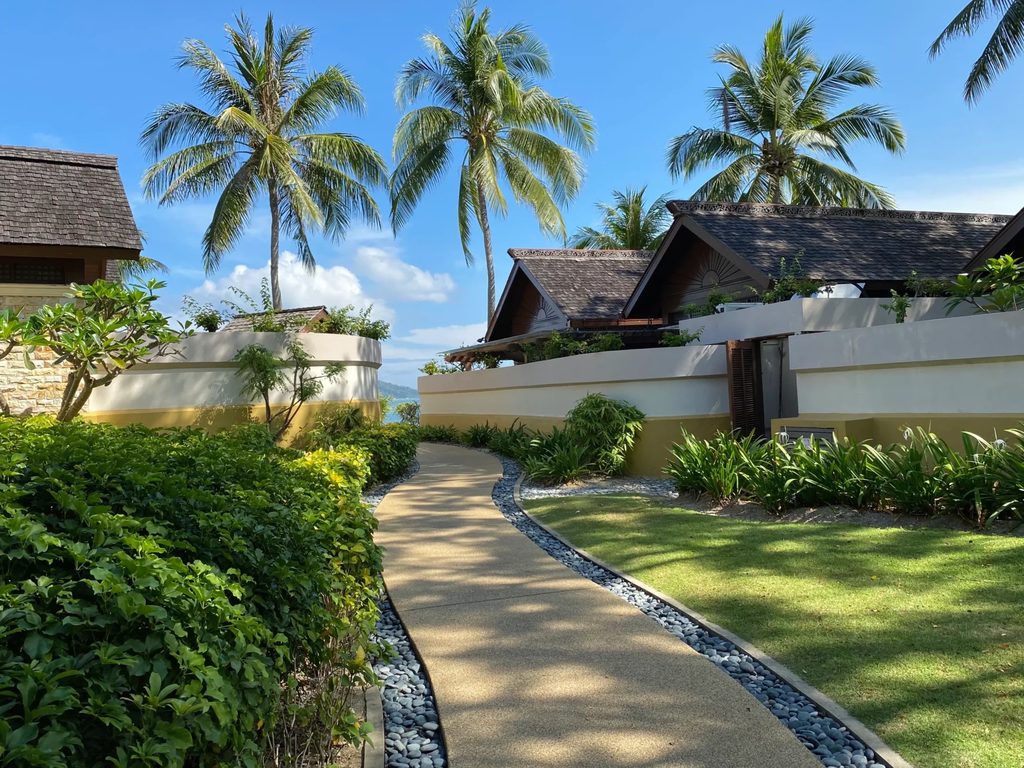
Tropical house design celebrates the beauty of natural and locally sourced materials, which are perfectly suited to the region’s climate. Picture:manondesignstudio.com
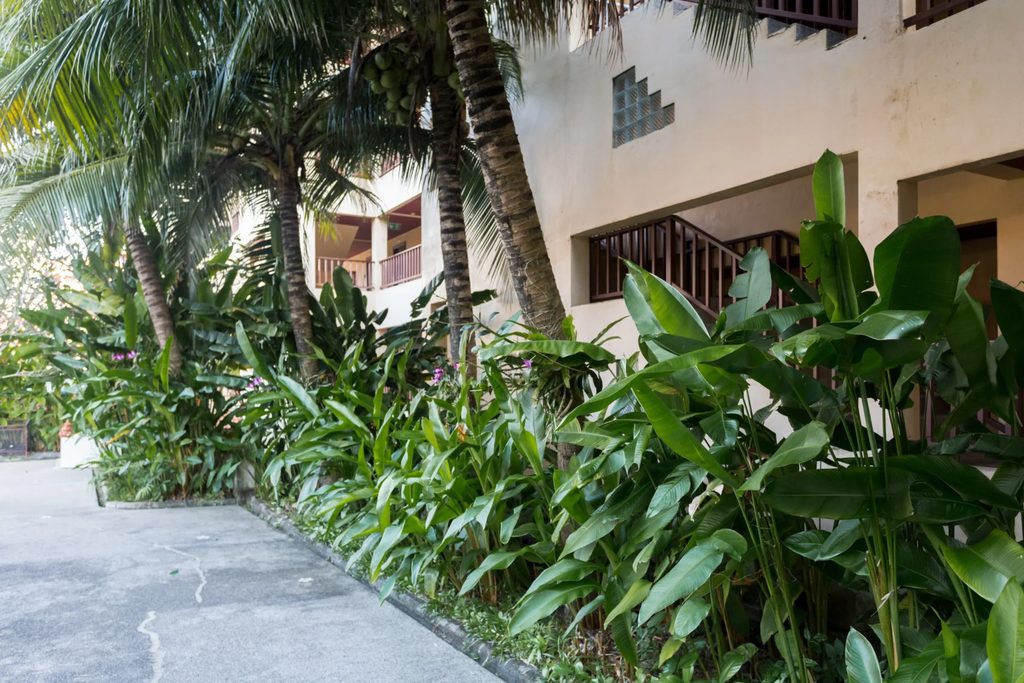
Tropical homes often blur the line between the indoor and outdoor spaces, incorporating lush gardens, green walls, and tropical vegetation that contribute to privacy and microclimate control. Picture:

