
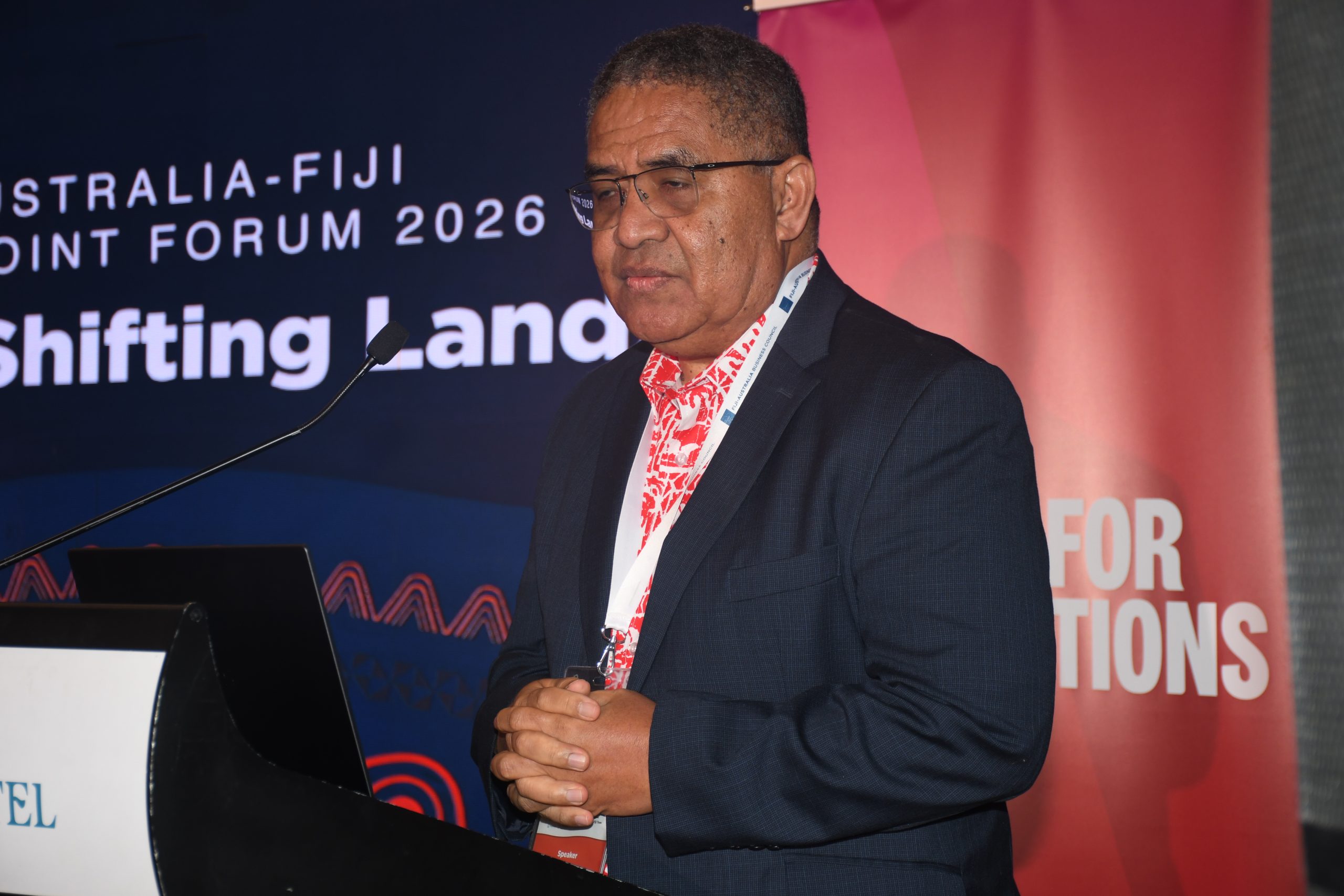
FIJI’S electricity demand is growing by about five per cent a year, putting pressure on Energy Fiji Limited (EFL) to develop new generation capacity and strengthen the electricity grid.
EFL chairman Rokoseru Nabalarua told the Fiji Australia Business Forum that the growth was a positive sign of economic activity and national development, but was also tightening the country’s reserve margin and increasing the urgency for new power capacity.
“Fiji’s electricity system is currently in transition, with hydropower remaining the country’s main renewable source,” he said.
“Hydro generates slightly more than 615 gigawatt hours (GWh) a year, while fossil-fuel generation remains a significant part of the electricity mix.
“Independent power producers contribute about 86 GWh annually.”
Mr Nabalarua said EFL’s renewable targets, about 60 per cent by 2027 and 90 per cent by 2035, would require a significant expansion of renewable generation.
He said while hydropower would remain central, solar with storage, wind, biomass and other renewable sources would need to expand substantially.
However, he said fossil fuels would remain necessary during the transition to provide reliability while existing capacity was replaced, and the electricity grid was strengthened.
“The transition must therefore be orderly and engineered and financeable.”
He said EFL needed to ensure new generation, energy storage and grid capacity were developed ahead of demand so that constraints did not become visible to customers and investors.

