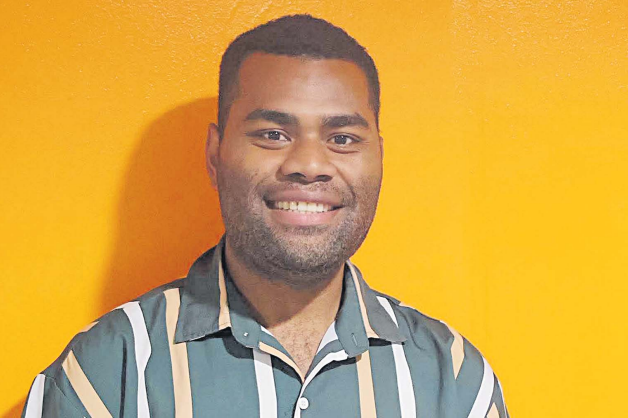
Losing his mother to cancer taught Kelly Koroi that caregiving is love in action, patience, prayerful and present until the very last breath.
Mr Koroi was the caregiver for his late mother, who was diagnosed with endometrial cancer in 2024. She lived with the illness and then went into palliative care at home where he spent two years taking care of her when further treatment was no longer available at the hospital.
“Most of the time, people always see the patient but not the person who is supporting the patient,” he said.
“Caring for someone who depends on you comes with challenges that are not always seen by others.
“You need to take time from your work to care for your patient, dropping off and picking them up from the hospital, the supply of medication, the regular check-ins, or when there is an emergency at home.”
Mr Koroi said watching his mother go through the illness was the most challenging part. There was a lot he wanted to do, but there were things beyond his boundary of support and services. His mother passed away on June 25, 2026.
“It took a toll on my mental health, on my social life, and even on my spiritual well-being.”
Mr Koroi said the biggest difference for him was having people who genuinely cared and who were there to support him during the process.
“There were times when I needed medical personnel, there were times when I needed families, there were times when I needed colleagues to step in and maybe someone who I can just debrief to or talk to over the phone.”
He thanked his family, his community, his church and youth groups, his work colleagues, the Ministry of Health, especially the oncology unit at CWM Hospital and the Fiji Cancer Society for the practical support and assistance they deliver at home.
“They usually take time to visit mum at home just to come and sit and listen and provide that safe space not only for mum but also for myself.”
One important lesson he learned from his mother’s journey was early detection and having the willingness to go and get checked.
He said his mother had pelvic pain and bleeding during menopause, symptoms they did not know were warning signs for endometrial cancer.
“If this is something that is happening within your body, which is not right and not normal, you need to understand that you need to seek medical help.”
For other caregivers, especially those caring for a loved one in palliative care at home, his message is to ask for help.
“Sometimes, people may not know the struggles you are facing, but there are those who are willing to listen and support you if you reach out.”