
Several years ago, while living in Bayview Heights, one of my neighbours was burgled. Police arrived with a sniffer dog, which picked up the scent and tracked it down the road to a nearby squatter settlement. When officers entered the settlement and questioned residents, nobody was willing to identify the suspects. Whether it was fear, loyalty or simply a refusal to cooperate, the investigation reached a dead end. After speaking with police officers that day, and on subsequent occasions, I came to understand that this was not an isolated incident. It appeared to be a commonly occurring theme.
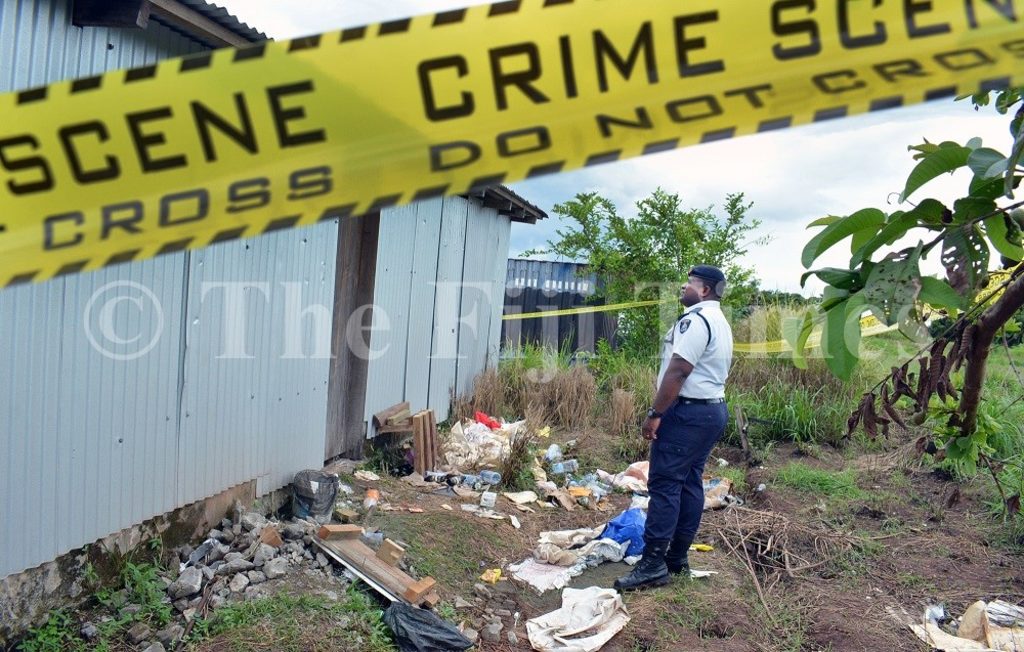
ACROSS the Suva-Nausori corridor, police are regularly called to investigate crimes that eventually lead them into squatter settlements. Law enforcement officers also conduct frequent drug operations in squatter settlements as Fiji grapples with an escalating drug crisis.
Now, I am in no way saying that every single person living in a squatter settlement is involved in drugs and crime.
But many squatter settlements have become environments where drugs and crime flourish, where criminals can hide more easily, and where police operations become more difficult.
Fiji’s squatter settlement problem has grown rapidly over the past two decades.
Government reports estimate that around one quarter of Fiji’s urban population now lives in more than 200 squatter settlements, most of them concentrated around the Suva-Nausori corridor and other urban centres.
We should be honest about what squatting is. It is, by definition, the unlawful occupation of land. Compassion for those facing hardship does not change that legal reality.
This crisis did not emerge overnight. It is, in large part, a legacy of the former FijiFirst Government, whose failure to confront the growth of illegal settlements allowed the problem to deepen.
Today, there are renewed calls to provide electricity, water and other services to settlements that remain unlawful. One has to ask: have political votes become more important than tackling the growing problems of drugs, crime and the increasing strain on Fiji’s infrastructure?
There is also an issue of fairness that is rarely discussed. Families who obey the law must pay rent or mortgages, rates, utilities and the many costs of living in Fiji’s urban centres. Those occupying land illegally avoid many of these costs, effectively allowing them to live beyond their means while enjoying the same access to jobs and services.
Worse still, this privilege is sometimes exploited. In 2019, a newspaper investigation revealed that some occupants of squatter settlements were renting out rooms, extending their homes to accommodate paying tenants and even selling structures built on land they did not legally own.
There is also the issue of urban capacity. Every new squatter settlement places additional pressure on roads, water supply, electricity networks, waste management, schools and healthcare services. Infrastructure designed for one population must suddenly serve many more people, often without the corresponding investment needed to support that growth. The result is declining service quality that affects everyone.
Crime is another consequence that cannot be ignored. Fiji Police statistics show theft, burglary and drug offences have all increased in recent years, while national drug cases have risen sharply, driven particularly by methamphetamine and marijuana.
Squatter settlements have become a convenient cover for criminal activity, allowing offenders to hide among densely populated communities and making police investigations more difficult. Academic research in Fiji has also identified some settlements as developing reputations as crime “hotspots.”
Perhaps the greatest cost is to the rule of law itself. When governments tolerate the illegal occupation of land for years on end, they send the message that some laws can simply be ignored if enough time passes or enough political pressure is applied.
Brazil’s favelas provide one example that should have Fijians very worried.
Many began as small squatter communities built by people with nowhere else to live.
Over time, they evolved into densely populated neighbourhoods where organised crime and drug trafficking gained influence, making effective policing increasingly difficult.
Fiji is heading down this road. While we are not yet facing the scale of Brazil’s favelas, the warning signs are becoming increasingly difficult to ignore. If the growth of illegal settlements continues unchecked, accompanied by rising drug activity, crime and mounting pressure on public infrastructure, the challenge will only become more difficult and more expensive to solve.
Ignoring illegal settlements will not make them disappear. Romanticising them will not solve the problems they create.
This is a real and growing problem that Fiji can no longer afford to ignore.
We need leaders with the courage to make difficult decisions in the national interest, not politicians willing to sacrifice the country’s future for a few thousand votes. If we fail to act now, the price paid by future generations will be far greater than the political cost of acting today.
Until next week, take care and be safe!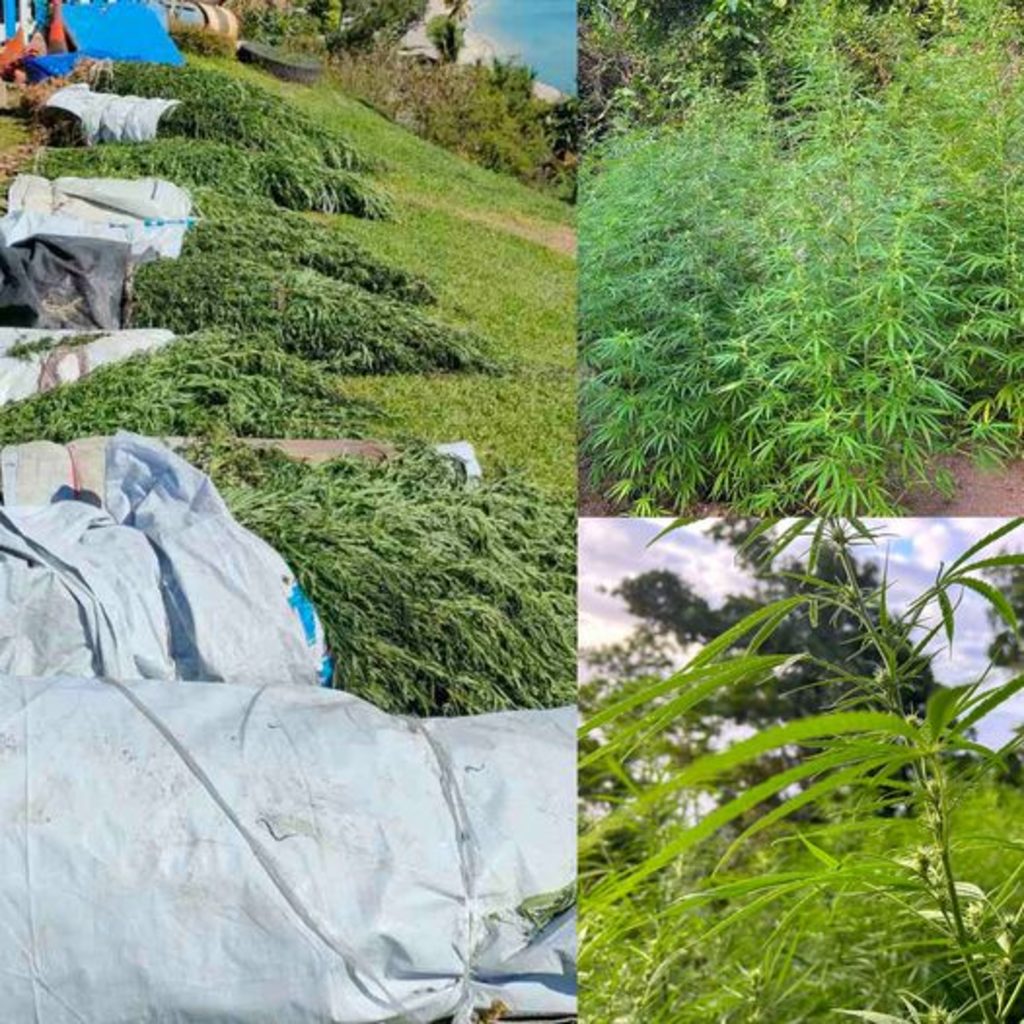
Fiji Police statistics show theft, burglary and drug offences have all increased in recent years, while national drug cases have risen sharply, driven particularly by methamphetamine and marijuana. Picture: FT FILE/Supplied
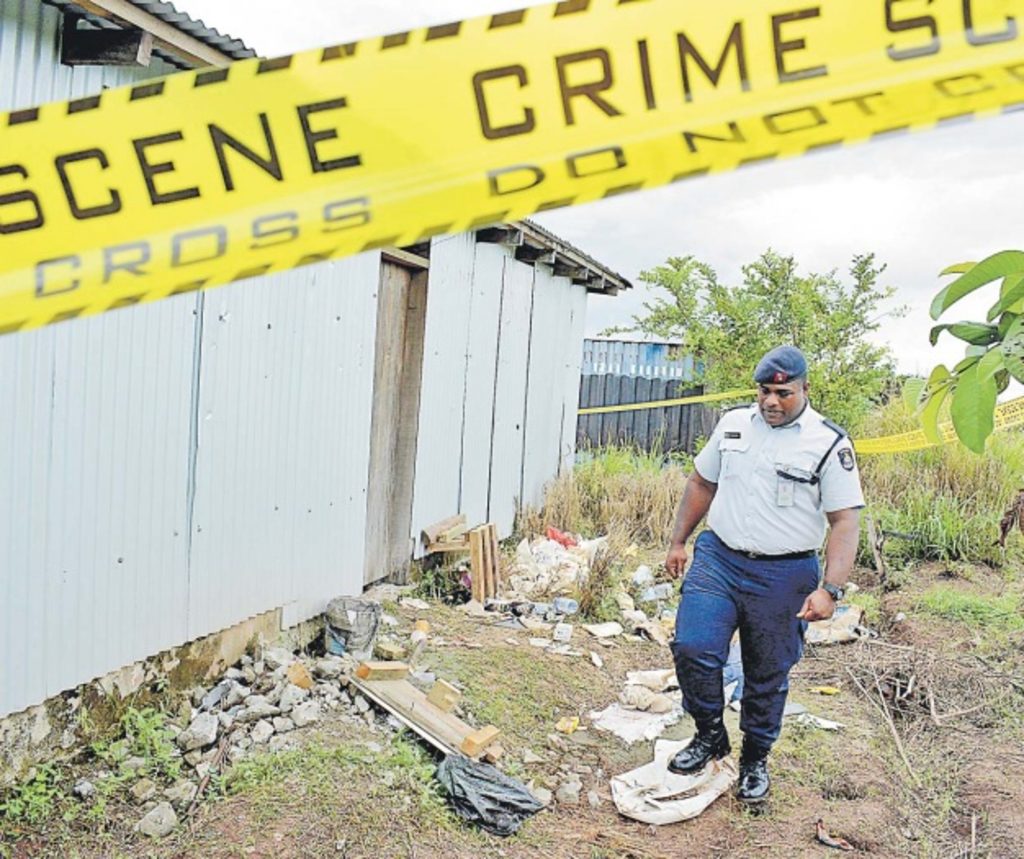
The author says law enforcement officers conduct frequent drug operations in squatter settlements as Fiji grapples with an escalating drug crisis. Picture: FT FILE

