SMALL island developing States face a climate reality where rising sea levels destroy coastlines, intensified cyclones shatter communities, and centuries of cultural heritage are permanently erased.
Global temperatures will reach an unavoidable 1.5°C overshoot threshold, pushing vulnerable nations deeper into an escalating crisis.
Yet the international financial safety net designed to catch them is severely fractured, operating under conditions where demand outstrips available supply by eight times over.
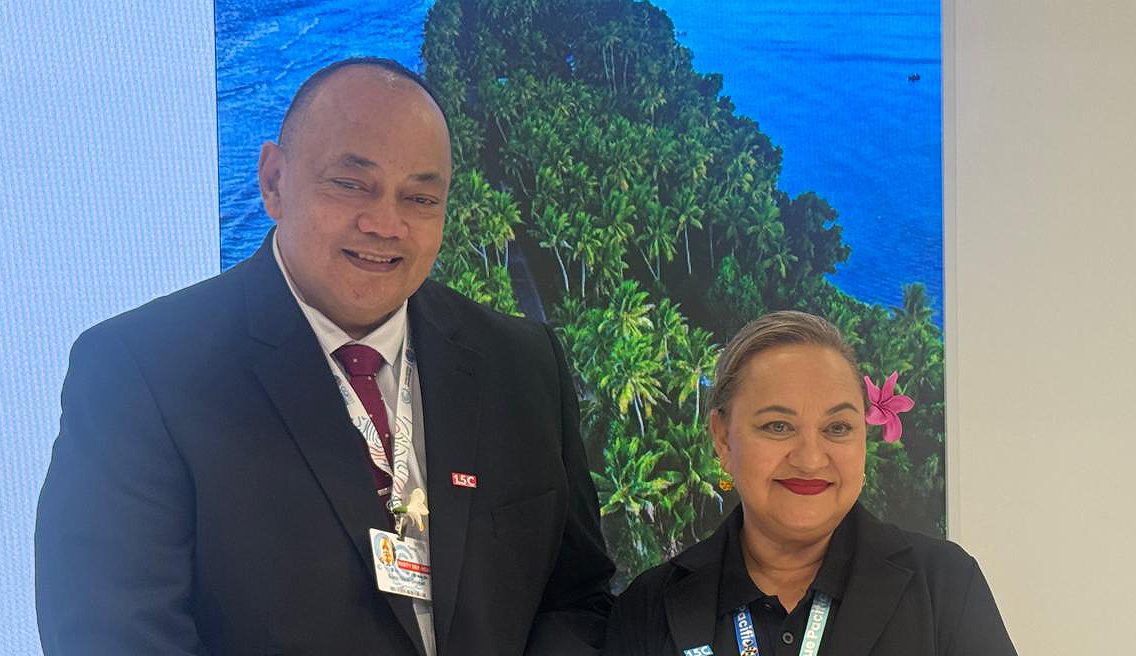
With this stark reality facing their future, Tonga’s Minister for Public Enterprises Hu’akavameiliku Siaosi Sovaleni stressed that every incremental fraction of warming continuously amplifies the damage incurred by vulnerable populations while delivering a message on behalf of the Alliance of Small Island States (AOSIS) during the Fostering Availability, Accessibility and Affordability of Loss and Damage Finance high-level event in Antalya, Türkiye.
“Overshoot of the 1.5°C limit in the near future is now unavoidable,” Mr Sovaleni told delegates, emphasising that “every fraction of a degree of warming, every year above the 1.5°C threshold, increases the loss and damage we incur”.
Reflecting on the severe undercapitalisation of the Fund for responding to Loss and Damage (FRLD), Mr Sovaleni highlighted the glaring disparity between available funds and corporate profits.
“As we have heard, pledges stand at just over $US800million ($F1.82b), and less than $US500million ($F1.137b) has been paid in.”
He said that what the FRLD has available is a pittance compared to the profits of the industries driving this crisis.
Mr Sovaleni called on contributors to pay their pledges now, to increase them, and to make the first replenishment predictable and commensurate with the fund’s mandate.
Addressing the long-term operational model of the fund, he emphasised that support must protect the minimum allocation floor for SIDS and Least Developed Countries (LDCs).
Drawing attention to non-economic losses, Mr Sovaleni said they were often the deepest wounds.
“When the sea takes a burial ground, when communities must leave ancestral land, when culture, identity and health suffer, no reconstruction budget can replace what is gone.”
He said the Pacific people’s losses could not always be measured, but they must always count.
He stressed that the fund’s long-term model must make support for non-economic loss real and accessible.
Furthermore, AOSIS pushed for direct budget support to become a genuinely operational pathway, allowing national climate funds and systems within SIDS to receive resources directly with timely disbursement and proportionate requirements.
Addressing the issue of affordability, Mr Sovaleni warned against financing arrangements that added to the debt burden of vulnerable nations.
“And finance that forces a small island to borrow to rebuild is no credible response to losses it did little to cause.”
At the high-level event, Mr Sovaleni also launched the Pacific State of Evidence report on loss and damage.
Mr Sovaleni urged global partners to move past insufficient arrangements.
“This fund exists because existing arrangements were not enough. Let us work together to deliver hope and protection and deliver the vision set out by all parties.”