The Pacific region continue to face heightened global uncertainty driven by energy and commodity price shocks, persistent inflation and increasing climate related disruptions.
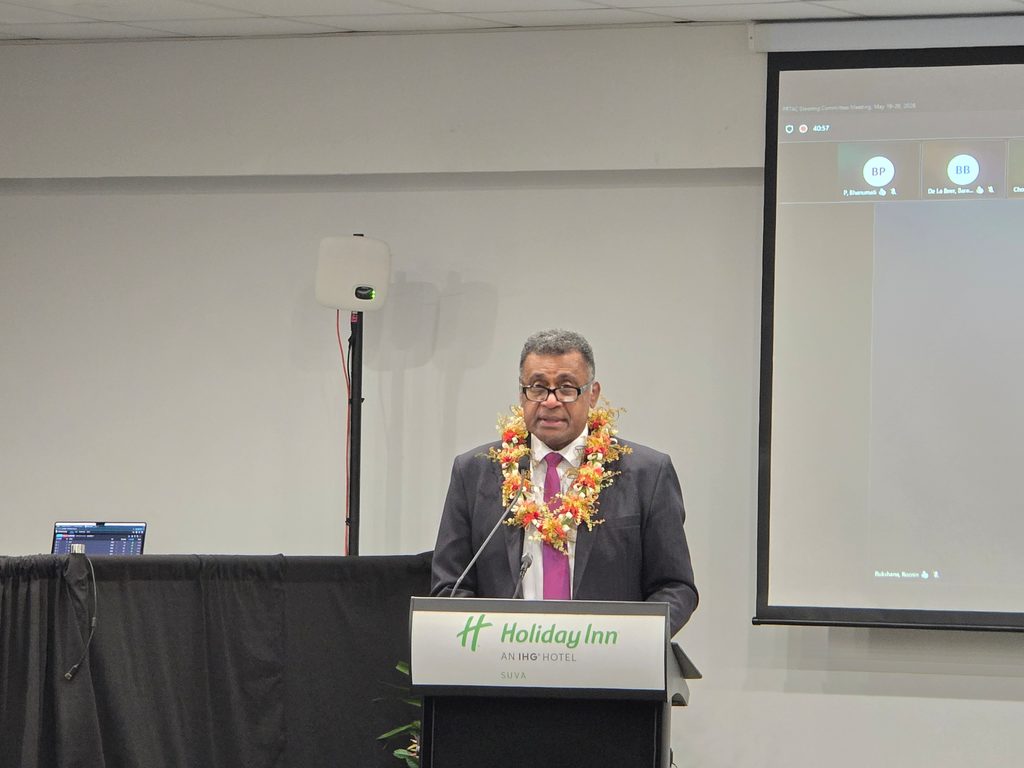
This was highlighted by the Minister for Finance, Commerce and Business Development Esrom Immanuel while delivering his opening remarks at the 2026 Pacific Financial Technical Assistance and Centre Steering Committee Meeting at the Holiday Inn in Suva yesterday.
He said regional growth has softened to around 3.4 per cent in 2025 and is expected to moderate further.
He said for import dependent economies like Fiji, these pressures are straining household budgets, limiting fiscal space and constraining Fiji’s ability to invest in future development.
“The recent escalation of tensions in the Middle East together with disruptions to global oil supply chains has further intensified these challenges for us,” he said.
He said the rising fuel and freight costs have once again exposed the Pacific’s heavy dependence on imported fuel, driving up food prices, electricity generation costs, transportation expenses and fiscal pressures across many Pacific countries including Fiji.
He added that the energy crisis is also placing significant pressure on tourism dependent economies across the region as higher aviation fuel costs are increasing airfares and traveling expenses, potentially slowing visitor arrivals and reducing the competitiveness of Pacific destinations.
More broadly, prolonged energy price volatility weakens business confidence, erodes household purchasing power, and constrains economic growth, reinforcing the urgent need for greater investment in renewable energy, energy security and economic diversification.
“Our structural vulnerabilities are well known; small and undiversified economies, narrow revenue bases, rising public debt and exposure to natural disasters that can erase years of fiscal progress in a single event,” he said.
However, he said, across the Pacific, we continue to choose reform.
“We continue to strengthen our institutions because we know there is no shortcut to resilience.”