
PACIFIC leaders should show the same level of concern over nuclear contamination and military threats in the region as they do over China’s growing presence in the Pacific.
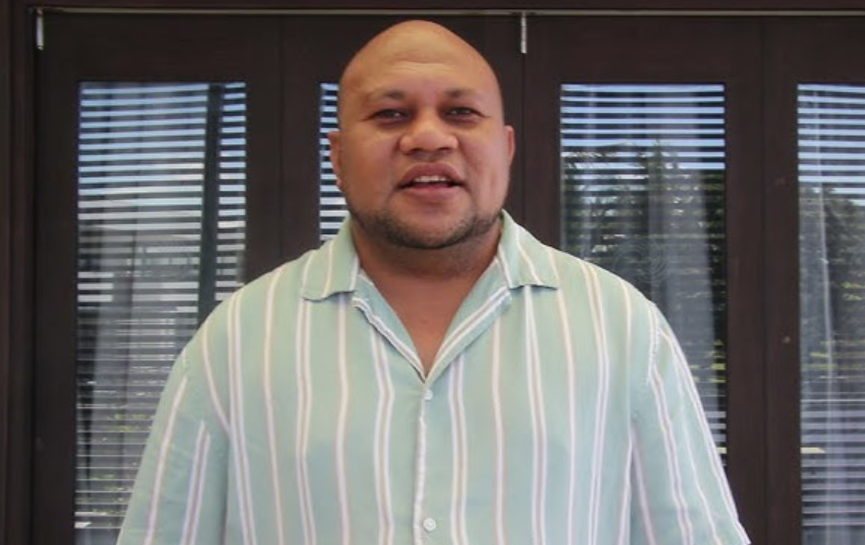
Responding to China’s testing of a nuclear-capable long-range missile in the Pacific last week, Pacific Network on Globalization (PANG) coordinator Joey Tau said the incident should prompt Pacific leaders to apply a consistent approach to all actions that threaten the region, regardless of which country is responsible.
“I think this draws back on sets of past activities that continue to threaten our region,” Mr Tau said.
“It’s surprising that we all up against China, as we should all be, when it puts the region at risk.
“But we also should also have the same energy when a country like Japan proposes a 30-year disposal of nuclear wastewater into the Pacific Ocean.”
Mr Tau said the Pacific already had regional agreements and shared aspirations that should guide leaders’ responses to security issues.
He said these included the region’s commitment to remaining a nuclear-free zone and the vision of the Pacific as an “Ocean of Peace”.
Mr Tau said the latest developments provided an opportunity for Pacific leaders to reaffirm long-standing regional positions on protecting the region from nuclear and military threats.
“Having said that, the actions taken by China, but also ongoing military exercise that continue to impact not only just Pacific states, but territories that are still under colonial administration.”
Mr Tau said the challenge for Pacific leaders was to define what regional security meant and how the Ocean of Peace concept could be upheld amid growing geopolitical competition.
“And when we talk about an ocean of peace, how do we implement or asset an ocean of peace in the context when our region is heavily contested and we already have a rising threat such as this.”
He said Pacific leaders had previously taken strong positions on regional issues and should do the same on nuclear and military threats.

