
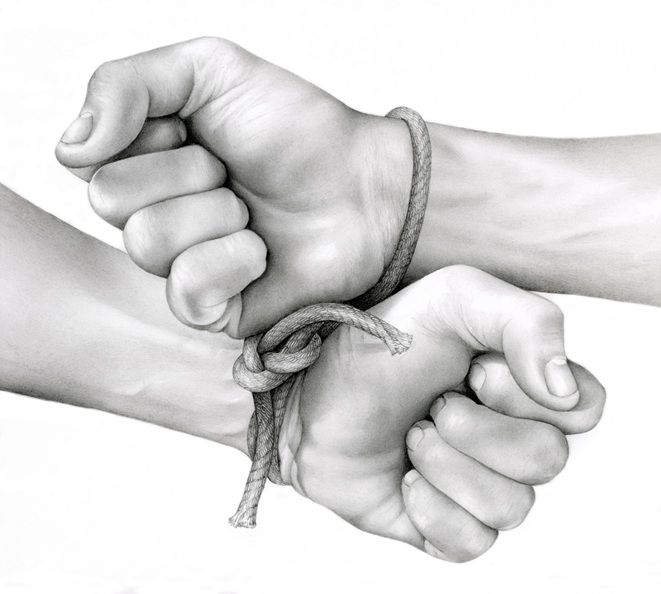
Every year on June 26, the world marks the International Day in Support of Victims of Torture. It is a day to remember those who have suffered torture and ill-treatment, to reaffirm that torture can never be justified, and to recognize the important work of those helping survivors rebuild their lives.
For many people, torture may seem like a distant issue associated with conflict zones, authoritarian regimes, or historical events. Yet torture and other forms of cruel, inhuman or degrading treatment remain a global challenge.
They can occur anywhere when power is exercised without accountability, when detention systems lack oversight, or when public fear leads societies to accept unlawful treatment in the name of security.
International law is unequivocal: torture is absolutely prohibited. There are no exceptions or justifications for torture – neither national security concerns, public emergencies, crime, nor drug trafficking.
This principle reflects one of the strongest norms in international human rights law and forms part of customary international law binding on all States, whether or not they have signed up to international human rights treaties.
For Fiji, this day provides an opportunity not only to reflect on global challenges but also to reaffirm the country’s own commitment to human dignity, justice, and the rule of law.
Fiji has ratified all nine core international human rights treaties, including the UN Convention Against Torture (CAT), in 2016, and has repeatedly affirmed its commitment to protecting human rights while maintaining public order and national security.
Fiji is also a founding member of the Convention on Torture Initiative, an alliance of States promoting ratification and implementation of CAT.
This commitment is particularly important as Fiji confronts complex challenges, including challenges to social cohesion, the rise of transnational drug trafficking, organized crime, and evolving security threats.
The significance of June 26 is further underscored as it is also the International Day Against Drug Abuse and Illicit Trafficking, reminding us that efforts to combat drug-related crime must never come at the expense of human dignity or the absolute prohibition of torture.
Ratification of conventions, however, is only the first step. The UN Convention Against Torture requires States to periodically report on the measures they have taken to prevent torture and ill-treatment. Fiji’s initial report under the Convention Against Torture is currently overdue.
Timely reporting provides an important opportunity for constructive dialogue, self-assessment, and identifying areas where further progress can be made in strengthening safeguards against torture and ill-treatment.
The international experience is clear: respect for human rights strengthens security. Effective law enforcement is built on public trust and respect for the rule of law: Successful responses include accountable policing, lawful and proportionate use of force, non-discrimination, access to justice for victims, and independent oversight.
The United Nations has also consistently emphasised that drug control and related law enforcement measures should be implemented in full conformity with human rights, not rely on criminal justice approaches alone and pursue a holistic approach that includes community-centered poverty alleviation initiatives, employment and social protection, education and a focus on health with evidence-based prevention and rehabilitation programs.
These approaches improve public confidence, strengthen institutions, and ultimately make communities safer.
Torture prevention begins long before any abuse occurs. It requires strong laws, effective and consistent safeguards, professional training, transparent institutions, and independent accountability mechanisms.
It means ensuring that every person deprived of liberty has access to legal representation, medical care, family contact, and protection from abuse.
It means that allegations of misconduct are investigated promptly, impartially, and independently.
As Fiji continues important discussions on security sector governance, criminal justice and law reform, the International Day in Support of Victims of Torture offers a timely reminder of a simple but powerful principle: every person retains their dignity and rights, regardless of who they are and the allegations that have been levelled against them.
Fiji can effectively address drug trafficking and organised crime while fully respecting human rights.
A society’s commitment to human rights is often tested not by how it treats the powerful and popular, but by how it treats those in custody, those accused of crimes, and those whose voices may not easily be heard.
Where a person dies in police or military custody or during a law enforcement operation, investigations should be capable of leading to accountability. This is particularly relevant given recent deaths in custody and allegations of excessive force.
Independent investigations help build public confidence and reduce impunity. Best practice requires prompt and independent investigations; protection of witnesses; judicial scrutiny; accountability of perpetrators regardless of rank or status.
OHCHR, FHRADC and UNODC recommend human rights-based capacity building for all law enforcement officers, which can improve operational effectiveness, change mindsets and institutional policing/military culture and ensure compliance with international and national human rights standards as we have encouraged in long-standing engagement with the Fiji Police Force and the Ministry of Policing in the reform of the Police Act (1965), the Use of Force Policy, complaint mechanisms and training focused on supporting the rights of persons in conflict with the law, and community policing.
International standards foresee that law enforcement functions remain primarily civilian in nature.
Good practices that Fiji can adopt are a constitutional and legal framework acknowledging this; human rights training for military personnel engaged in law enforcement; and independent investigation of any allegations of abuse.
On this International Day, we join Governments, civil society organizations, legal professionals, law enforcement agencies, and communities across the Pacific in reaffirming a shared commitment to human rights and dignity, accountability, and justice.
The prevention of torture is not only a legal obligation. It is a measure of the strength of our institutions, the integrity and accountability of our justice systems, and our collective commitment to human dignity.
It should be emphasised that security and human rights do not stand in opposition. They stand strongest together.
- HEIKE ALEFSEN is the Regional Representative of the Pacific Office of the United Nations High Commissioner for Human Rights (OHCHR).
- ALEFINA VUKI is Commissioner of the Fiji Human Rights Anti- Discrimination Commission.
- MARIE PEGIE CAUCHOIS, Head of Pacific Office of the UN Office of Drugs and Crime (UNODC). The views expressed in this article belong to the authors and do not necessarily reflect the views of this newspaper.

