
Remember how we used to play “This little piggy went to market” with the kids?
Or how we used to draw on our children’s backs and make them guess what we were drawing?
And do you remember playing touch rugby and other games such as pani and gooli gooli ganda?
What’s interesting is that most of these games are games that require touching.
So, I’m going to touch on a subject you may or may not have heard about.
It’s called “touch starvation”.
Long story short, how I came to learn about this subject happened as a consequence of the word “Touch” casually dropping into my mind not too long ago.
And when something like that happens, I know it’s a little prompting I’m getting to begin researching it.
So, I did.
As I began learning about the topic of touch starvation, I realised how it has the potential to affect so many areas of our lives.
In a way, I was gobsmacked because I hadn’t a clue about its far-reaching effects on the lives of human beings.
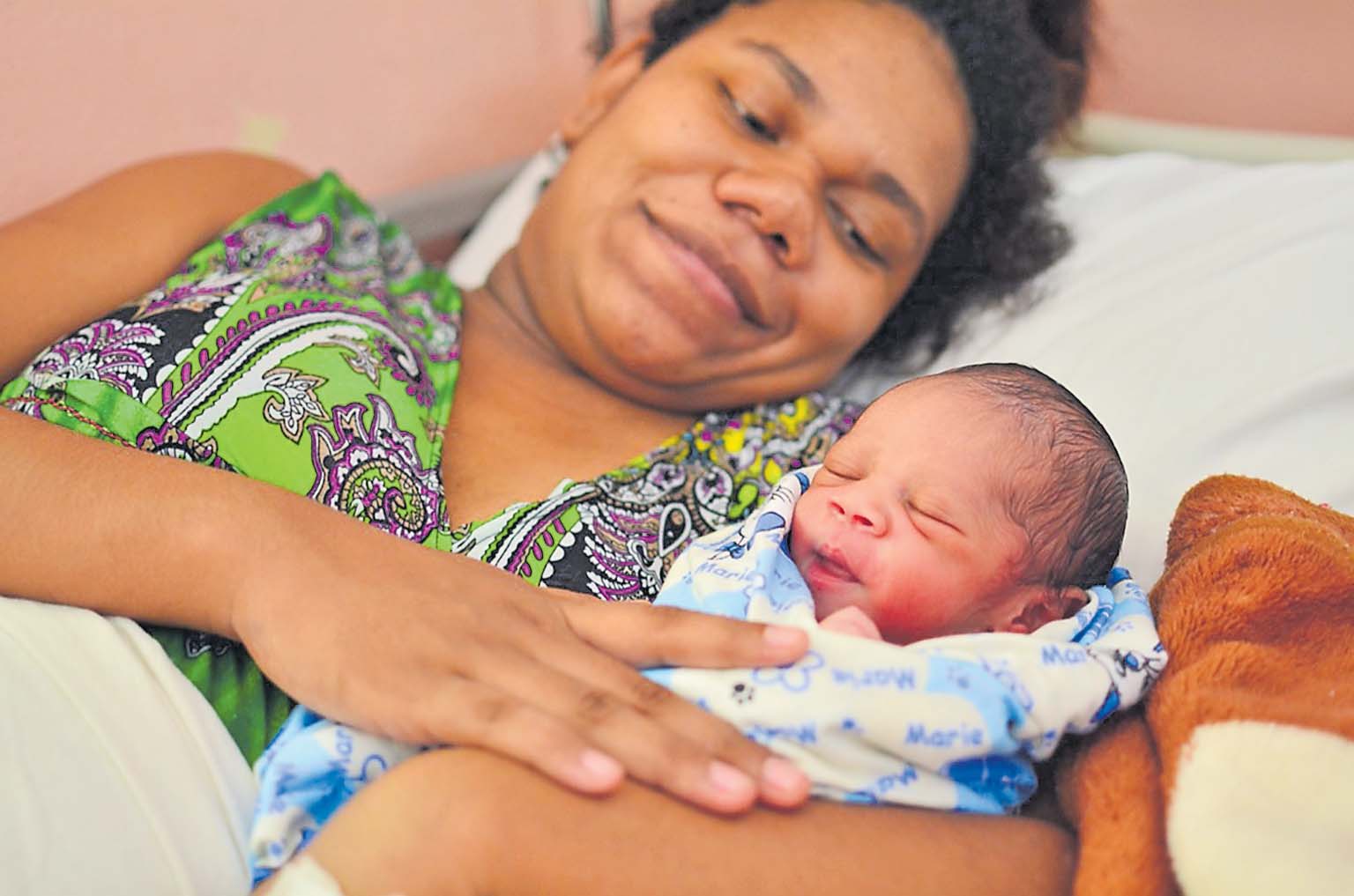
The first touch we experience is when we’re born and then placed in the loving arms of the one who bore us, our mother.
With that first touch, we feel loved, safe, and secure.
But being a newborn baby, we have no idea about the importance of touch because our brain is still in its infancy.
Yet, despite our infancy, babies are still able to sense the importance of feeling the hugs and cuddles they get from loved ones.
Simply because it’s natural to feel the loving warmth and touch of another human being.
Touching validates our desire for hugs, cuddles, and kisses.
We crave physical touch because it’s vital to our health, well-being, and survival.
Without physical touch, we can begin suffering from mental health issues, insomnia including a range of other bad habit-forming conditions.
According to behavioural studies, there are seven signs we may be suffering from touch starvation:
1) aggressive behaviour;
2) body image issues;
3) high stress levels;
4) loneliness;
5. mental health issues such as depression;
6) sexual dysfunction; and
7) fear of attachment & unsatisfying relationships.
Human touch through hugs, handshakes, and high fives all help to release oxytocin that sends secretions to our brain triggering good vibes and feelings of happiness and positivity.
So human touch is vital for the development of a human being to live a positive, uplifting, and purpose-driven life.
My dad wasn’t a hugger.
So, I missed out on hugs from him when I was little.
But my mum was a hugger and I used to love her cuddles coupled with her vocal assurances of her undying love for me.
I felt safe, secure, and much loved in her arms.
However, my mum’s hugs came to a screeching halt after my parents divorced.
The divorce caused a great deal of separation anxiety, and feelings of instability, fear, and insecurity.
My older brother was seven and I was five when they decided to go their separate ways.
So it was a highly stressful and emotionally exhausting time in our lives.
And when our mum decided to leave Fiji to live in England, our whole world started to crumble and fall apart.
I felt like Humpty Dumpty falling off the wall and smashing into hundreds of little pieces.
Our fractured family was not equipped to handle the fallout.
And the deprivation of our mother’s love and hugs left us with severe touch starvation.
We had no idea how to glue the pieces of our lives back together again because we were young and vulnerable.
We understood very little of what was happening to us.
But we felt and experienced the dislocation and the disconnect including feeling all the sadness and trauma of the separation.
There was no counselling in those days, so we grew up with lots of hangups because we were starved of hugs, cuddles, and kisses and the safety and security of a stable loving family environment.
Because we were so touchstarved we began searching for other ways to fill the void.
That void, I’ve come to understand, is where both the problem and the solution lie.
If the void remains devoid of loving hugs and cuddles, it’s here where we begin looking for counterfeit feel-good substances to fill the vacuum.
When there’s a vacuum in our lives, chances are we will fill it with something.
For my brother and me, it was copious amounts of alcohol and drugs.
For others it can be kava, sniffing glue, or sexual escapades with multiple partners.
I was a little more fortunate than my brother.
In my late teens, I met a wonderful young lady who would later become my wife and the mother of our children.
She was my saving grace and the stabilising influence in my life.
I owe her my life.
And thanks to some great counselling therapy I was able to reconcile my traumatic childhood experiences.
Was it easy to do?
Far from it because in a way I felt I didn’t want to disclose or discuss the awkward experiences of my childhood.
Because it was too painful to open Pandora’s box.
So, there was a fear of going back to the ugly nightmares of my childhood.
But open it I did, and it was one of the best things I’ve ever done in my life.
However, I’ve also come to appreciate and understand that seeking professional outside help is never easy, especially for men.
Partly because there’s a stigma attached to mental and emotional health issues.
But sometimes we need to bite the bullet and go get the help we need to unload all the rubbish we’re carrying around.
And boy, did I have a truck full of garbage.
The problem for some of us is that we become desensitised to the garbage we’re carrying thinking it’s a part of who we are.
Nothing’s further from the truth.
The garbage is what gives us the stinking thinking and why we hit the bottle, do drugs, drink copious amounts of kava, or worse, become a perpetrator of domestic violence and abuse.
It’s not a pretty place to be in.
Thank God I listened.
Because now I feel totally liberated.
In today’s highly digitised world and stressful lifestyle where we rely on our mobile phones and computers as a means to connect and communicate, there’s tragically a physical human disconnect and dislocation that’s happening.
And it’s happening right under our noses without us realising it’s happening or really understanding the consequences of the diabolical damage it’s causing to us, to our children and even to close friends.
We need to get back to the basics of hugging, loving, and cuddling instead of spending too much time on our phones and computers.
My wife and I are in our early 70’s and we still hold hands when we’re out and about.
We’ve done it for over 50 years, and we are still in love with each other.
I’ve come to realise that sometimes it’s those small touches that can make a world of difference in a relationship.
We’re all huggers in our family.
And I still hug and kiss my two boys who’re 44 and 50.
And yes, our daughter-in-law’s also a hugger including our three grandchildren.
As we approach the New Year let’s take stock and make positive steps to adjust some of our lifestyle habits and choices that’ve been the cause of the disconnect and dislocation in our lives.
Stay in touch with your loved ones!
And let’s make 2024 the Year of the Hug.
Happy hugging for an even happier new year!
• COLIN DEOKI is a regular contributor to this newspaper. The views expressed are his and not necessarily of this newspaper.

