
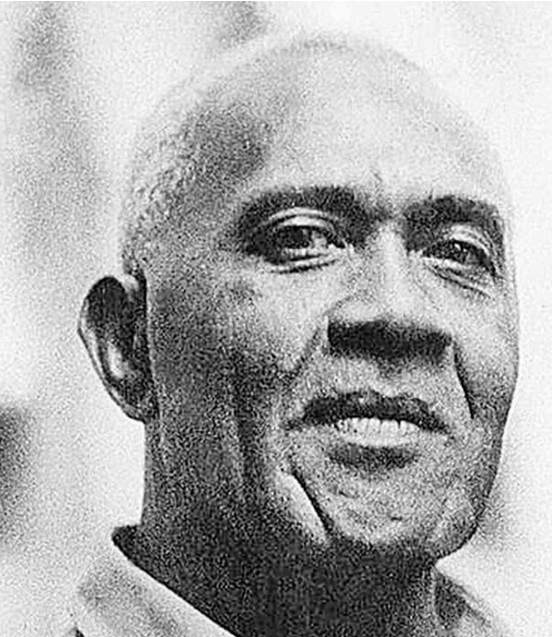
Some men are remembered because they held power. Others are remembered because they changed the course of history. Ratu Sir Josefa Vanayaliyali Lalabalavu Sukuna was one of those rare leaders whose life became larger than his own time. More than 60 years after his death, his vision, sacrifices, and leadership continue to shape Fiji today. His story is not simply the story of a chief — it is the story of a man who carried the hopes of a nation on his shoulders during one of the most uncertain periods in Fiji’s history.
THE legacy of Ratu Sukuna can still be seen in Fiji’s land system, leadership structure, education system, and national identity.
His leadership came during one of the most difficult periods in the country’s history, when colonial rule, social change, and uncertainty threatened the future of indigenous Fijians.
Yet through wisdom, courage, and determination, he guided his people through those challenges while preparing them for a modern world.
Born on April 22, 1888, on the chiefly island of Bau, Ratu Sukuna was the eldest son of Ratu Joni Madraiwiwi and Adi Litia Maopa. From the moment he was born, leadership was expected of him. Yet even as a young boy, he showed qualities that separated him from others. He was intelligent, disciplined, observant, and deeply curious about the world around him.
One of the most fascinating parts of his early life was his attendance at Wairuku Indian School in Rakiraki, now Wairuku Primary School. During colonial Fiji, racial separation was common, and it was highly unusual for a high chief to attend school with Indo-Fijian children. Yet this experience helped shape his understanding of Fiji as a multicultural society. It taught him the importance of respect, cooperation, and understanding among different communities.
This thinking later became known through his famous “three-legged stool” concept. According to The Fiji Times article “Ratu Sukuna’s three-legged stool concept — its value for the 21st century” published on May 30, 2023, Ratu Sukuna compared Fiji to a stool standing on three legs — the iTaukei community, Indo-Fijians, and Europeans.
His message was simple but powerful “if one leg weakened or was ignored, the entire stool would collapse”.
At a time when many societies were divided by race and colonial systems encouraged separation, Ratu Sukuna believed Fiji’s future depended on unity. Long before conversations about multiculturalism became common, he already understood that Fiji could only move forward if all communities worked together with mutual respect and shared responsibility.
Education also played a major role in shaping Ratu Sukuna’s life. Historical accounts show that he studied in New Zealand before attending Wadham College at Oxford University in England. For an indigenous Fijian during the colonial era, this achievement was extraordinary. He became one of the first indigenous Fijians to receive advanced education overseas and later qualified in law.
But for Ratu Sukuna, education was never simply about personal success. He believed education was the key to empowering indigenous Fijians and preparing them for leadership in a changing world. One of his well-known beliefs was:
“The future of Fiji lies in the education of its people.”
Those words remain relevant even today. Ratu Sukuna encouraged young Fijians to pursue knowledge, discipline, and leadership while remaining proud of their culture and traditions. He believed Fiji could modernise without abandoning its identity.
Perhaps his greatest contribution to Fiji was his protection of indigenous land rights. Ratu Sukuna understood that land was far more than property. To the iTaukei people, land represented identity, ancestry, culture, and survival. During colonial rule, there were fears that indigenous Fijians could lose control of their land and eventually lose part of their identity as a people.
According to The Fiji Times article “Ratu Sir Lala Sukuna: A man with foresight” published on May 30, 2023, Ratu Sukuna travelled throughout Fiji consulting chiefs and villagers about the importance of organised land administration.
He worked tirelessly to create systems that would protect communal land ownership for future generations.
Today, Fiji remains one of the few countries in the world where indigenous people still own most of their land. Much of this is credited to the foresight and determination of Ratu Sukuna. His work protected not only land ownership, but also the dignity and future of the iTaukei people.
Another quote often associated with him reflects his understanding of culture and identity: “A people without traditions is a people without a future”.
Ratu Sukuna believed progress meant nothing if people forgot who they were. He wanted Fiji to move forward, but never at the expense of its customs, traditions, and cultural values.
His life is often compared with that of Ratu Epeli Nailatikau because both men represented dignity, leadership, and national service. Both came from chiefly backgrounds and dedicated their lives to Fiji.
However, the challenges faced by Ratu Sukuna were different. He lived during colonial rule and carried the enormous responsibility of preparing indigenous Fijians for a modern political world while protecting them from losing their identity and land.
Ratu Sukuna also proved his courage during World War I. After reportedly facing racial barriers when trying to join the British Army, he joined the French Foreign Legion instead and fought bravely during the war. His service earned international recognition and challenged colonial stereotypes about indigenous people. Even overseas, he carried Fiji with pride and dignity.
Despite all his achievements, Ratu Sukuna remained humble and deeply connected to ordinary people. He travelled from village to village listening to concerns, advising chiefs, and encouraging young people to value education and discipline.
Leadership for him was never about privilege — it was about service. According to reports published by FBC News on May 29, 2023, Deputy Prime Minister Professor Biman Prasad described Ratu Sukuna as “the architect of Fiji’s progress.”
Those words reflect the enormous impact he had on the nation and the lasting respect he continues to receive today.
There will never be another Ratu Sukuna. Leaders like him appear only once in the history of a country. His vision went beyond politics and power. He dreamed of a Fiji where indigenous rights would remain protected, where education would empower future generations, and where all communities could live together in peace and harmony.
Today, more than 60 years later, Fiji still walks on the path he helped create. His story remains one of the most important chapters in the nation’s history — the story of a leader who carried Fiji into the future without allowing it to lose its identity.
AVENAI SERUTABUA is a youth advocate and a regular contributor to this newspaper. The views expressed herein are his and not of this newspaper.

