
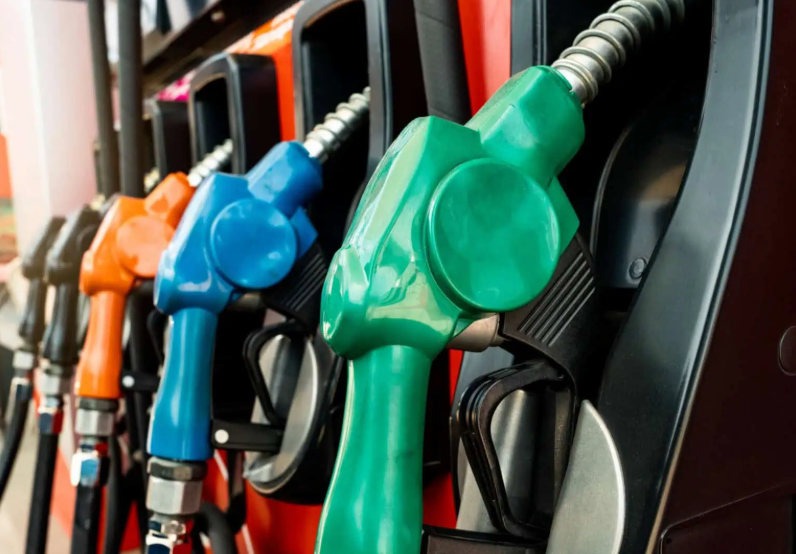
Geopolitical conflicts and international instability
ONE of the primary reasons for rising fuel prices globally is geopolitical conflict, particularly tensions and wars in the Middle East, where much of the world’s oil supply originates. Conflicts involving oil-producing nations disrupt production and transportation routes, creating uncertainty in international markets. As a result, global oil prices increase rapidly.
The ongoing instability in the Middle East has already contributed to higher international refined fuel prices, according to the RBF. Freight costs have also risen significantly, increasing the cost of transporting fuel to small island nations like Fiji.
Fiji, unlike oil-producing countries, has no control over global oil prices. Therefore, any international disruption directly affects domestic fuel prices and inflation levels.
Exchange rate pressures
Another major factor is the weakening of the Fijian dollar against major international currencies. Since fuel is purchased internationally in United States dollars, any depreciation in Fiji’s currency increases import costs.
The FCCC confirmed that exchange rate movements contributed to the latest fuel and LPG price increases. When combined with higher freight costs and international oil prices, the result is substantial price hikes across the economy.
The importance of Sigatoka in Fiji’s food system
Sigatoka plays a critical role in Fiji’s agricultural economy. The fertile Sigatoka Valley produces large quantities of vegetables, root crops, fruits, and fresh produce distributed across Viti Levu and other islands.
Markets, supermarkets, hotels, restaurants, and municipal vendors rely heavily on produce transported daily from Sigatoka farms. Any disruption to this supply chain immediately affects food availability and pricing nationwide.
With diesel prices reaching record levels, farmers and transport operators in Sigatoka now face mounting operational costs that threaten the sustainability of agricultural production.
Rising farming costs
Modern farming relies heavily on fuel. Diesel powers tractors, irrigation systems, generators, transportation trucks, and farming equipment. As fuel prices increase, every stage of production becomes more expensive.
Farmers now face:
• Higher transportation costs for moving produce;
• Increased costs for fertilisers and farm chemicals;
• Rising machinery and equipment operating expenses;
• Increased irrigation and water pumping costs; and
• More expensive packaging and logistics.
Many small-scale farmers already operate on narrow profit margins. Rising fuel costs reduce profitability and may discourage production altogether.
Some farmers may reduce cultivation areas or cut back on crop production due to uncertainty and financial strain. This could reduce food supply and increase market prices further.
Increased freight costs
Transport operators form the backbone of Fiji’s food distribution system. Vegetables and agricultural goods from Sigatoka are transported daily to Suva, Lautoka, Nadi, Labasa, and maritime islands.
As diesel prices rise, transport companies face higher operating expenses including:
• Fuel consumption;
• Vehicle maintenance;
• Spare parts;
• Tyres and lubricants; and
• Shipping and freight fees.
Transport operators inevitably pass these costs on to wholesalers, retailers, and consumers.
The result is higher food prices throughout the country.
Impact on maritime transport
Fiji’s maritime transport system is also heavily dependent on fuel. Inter-island shipping services transporting food and goods to outer islands are becoming increasingly expensive.
This places rural and maritime communities at greater risk because they already face higher transportation costs and limited market access.
Food prices in remote islands may rise even faster than urban areas, worsening inequalities and economic hardship.
Inflation and rising cost of living
Fuel prices driving inflation
Fuel affects nearly every product and service in the economy. When fuel prices rise, transportation and production costs increase across all sectors.
The RBF recently warned that inflation is expected to continue rising due to higher fuel, food, electricity, and transportation costs. Inflation directly affects household purchasing power and living standards.
Consumers are already experiencing:
• Higher market prices for vegetables and groceries;
• Increased public transportation fares;
• Rising electricity bills;
• More expensive cooking gas; and
• Increased business operating costs.
Low-income households suffer the most because a large proportion of their income is spent on food and transportation.
Pressure on urban families
Urban families in Suva, Lautoka, Nasinu, and Nadi are increasingly struggling with rising living costs. Food insecurity may become more widespread if inflation continues unchecked.
Middle-income earners are also feeling pressure as wages fail to keep pace with rising prices.
The combination of fuel inflation and electricity tariff increases may create severe financial hardship for many households.
Consequences for food security
If farmers reduce production due to rising operational costs, Fiji may face shortages in locally produced vegetables and agricultural products.
Reduced local production could increase dependence on imported food, which is also becoming more expensive due to global inflation and freight costs.
This creates a dangerous cycle where:
• Local food production declines;
• Imports become more necessary;
• Import costs rise due to fuel prices; and
• Consumers face even higher food prices.
Food security is therefore becoming a national concern.
Increased poverty and inequality
Rising fuel and food prices widen social inequalities. Vulnerable groups such as low-income workers, pensioners, unemployed individuals, and rural communities are most affected.
If inflation continues rising:
• More households may fall below the poverty line;
• Malnutrition risks could increase;
• Social frustrations and public dissatisfaction may intensify; and
• Economic disparities between urban and rural communities may widen;
• Food affordability is now becoming just as important as food availability.
Impact on small and medium enterprises (SMEs)
Small businesses are particularly vulnerable to fuel price increases because they often lack financial reserves and economies of scale.
SMEs in transportation, retail, catering, farming, fisheries, and logistics face increasing operational costs daily.
Many businesses may respond by:
• Increasing product prices;
• Reducing staff;
• Cutting services;
• Scaling down operations; and
• Passing costs to consumers.
Some businesses may eventually close if conditions worsen.
Impact on employment
If SMEs struggle financially, employment opportunities may decline. Reduced business activity can affect:
• Transport workers;
• Market vendors;
• Farm labourers;
• Delivery operators; and
• Retail workers.
Unemployment and underemployment may increase, further weakening economic growth.
Tourism sector vulnerability
Tourism remains Fiji’s largest economic sector and is highly dependent on fuel.
Rising fuel prices increase:
• Airline operational costs;
• Domestic transportation expenses;
• Hotel operational expenses; and
• Food and beverage costs.
International tourists may reduce travel if global economic conditions worsen or airfare becomes too expensive.
This would reduce foreign exchange earnings and place additional strain on Fiji’s economy.
Pressure on foreign reserves
Higher fuel import bills place pressure on Fiji’s foreign exchange reserves.
According to the RBF, sustained high oil prices could widen the trade deficit and weaken reserves over time.
Since Fiji imports most of its fuel and many consumer goods, rising international prices create long-term economic vulnerability.
Government and policy responses
The government must consider practical short-term measures to support farmers, transport operators, and vulnerable households.
Possible interventions include:
• Temporary fuel subsidies for agriculture and transport;
• Tax relief measures;
• Assistance for small farmers;
• Freight support for maritime regions; and
• Soft loans for SMEs.
Such measures could help stabilise food supply and reduce inflationary pressure.
Strengthening local food production
Fiji must invest more heavily in local agriculture and food self-sufficiency.
Long-term strategies should include:
• Modern farming technology;
• Improved irrigation systems;
• Agricultural research and innovation;
• Youth participation in farming; and
• Strengthening local supply chains.
Reducing dependence on imported food can improve national resilience during global crises.
Renewable energy and sustainable solutions
Fiji’s heavy dependence on imported fossil fuels exposes the economy to international price shocks.
Renewable energy solutions such as:
• Solar energy;
• Biofuel development; and
• Electric transportation.
Energy-efficient farming systems can reduce long-term vulnerability.
The transition toward renewable energy must become a national priority.
Investment in public transportation
Efficient and affordable public transportation systems can reduce fuel consumption and ease financial pressure on households.
Government investment in sustainable transport infrastructure would help improve long-term economic resilience.
Community resilience and collective responsibility
Consumers can help support local farmers by purchasing locally grown produce and encouraging domestic agricultural production.
Community-based farming initiatives and municipal agriculture programs may also improve food security.
The importance of national unity
Periods of economic hardship require co-operation among government agencies, businesses, communities, and citizens.
National resilience depends on collective responsibility, innovation, and strategic planning.
Fiji has overcome many crises before, including cyclones, economic downturns, and the COVID-19 pandemic. Similar unity and determination are required again.
Conclusion
The rise in global and national fuel prices is no longer simply an economic issue; it is rapidly becoming a social and food security crisis for Fiji.
The impacts are already visible in Sigatoka’s agricultural sector, transportation systems, business operations, and household budgets. Rising fuel costs are increasing inflation, threatening food supply chains, and placing enormous pressure on ordinary citizens.
As Fiji’s “Salad Bowl,” Sigatoka symbolizes both the strength and vulnerability of Fiji’s food system. If farmers and transport operators continue facing unsustainable costs, the consequences will be felt nationwide through higher food prices, reduced food availability, and worsening economic hardship.
The situation demands urgent and practical responses from government, policymakers, businesses, and communities. Support for farmers, investment in local agriculture, renewable energy development, and stronger economic planning are essential to protecting Fiji’s long-term food security and economic stability.
Ultimately, Fiji must reduce its dependence on imported fuel and build a more resilient, self-sustaining economy capable of withstanding future global shocks. The current crisis should serve as a wake-up call for stronger national planning, sustainable development, and greater protection of the country’s most vulnerable citizens.

