
Fiji has long been imagined as a tropical paradise, defined by its white sandy beaches, clear turquoise waters, and a relaxed island way of life that continues to attract visitors from around the globe. This image is not only sustained through tourism campaigns, but also reinforced internationally by products such as Fiji Water, which present the country as pristine, untouched, and naturally pure. However, beneath this appealing image lies a more complex and evolving reality. In recent years, Fiji has increasingly faced challenges associated with globalisation, particularly the rise of illicit drug trafficking involving cocaine. This contrast between the idealised image of paradise and the emerging social and security concerns reveals a nation navigating the pressures of modern global networks, while striving to preserve its identity.
Fiji Water stands as one of the most recognisable symbols of the country on the international stage. Marketed as “Earth’s finest water,” it is sourced from an artesian aquifer in Viti Levu and bottled at the source, emphasising its purity and isolation from contamination. The branding draws heavily on Fiji’s natural beauty, featuring lush tropical imagery that aligns perfectly with global perceptions of the islands. For many consumers, Fiji Water represents more than hydration; it evokes ideas of luxury, health, and environmental purity. The global success of this product has contributed significantly to Fiji’s economic profile, enhancing its visibility and supporting its reputation as an unspoiled paradise.
At the same time, Fiji Water has not been without criticism. Concerns have been raised about the environmental impact of exporting bottled water across vast distances, particularly in the context of climate change and sustainability. Questions have also emerged regarding resource ownership and whether local communities fully benefit from such global enterprises. Despite these debates, the brand continues to flourish as a powerful representation of Fiji’s image, projecting a sense of natural abundance and serenity that resonates strongly with international audiences.
On the other hand, in stark contrast to this image of purity is the growing issue of drug trafficking, particularly involving cocaine, which has begun to affect Fiji in unprecedented ways. Because of its geographical location in the Pacific, Fiji has become increasingly vulnerable to international drug syndicates using the region as a transit route between South America and larger markets such as Australia and New Zealand. The country’s extensive maritime boundaries, coupled with limited surveillance resources, make it an attractive point for traffickers seeking to move illicit substances across borders with reduced detection.
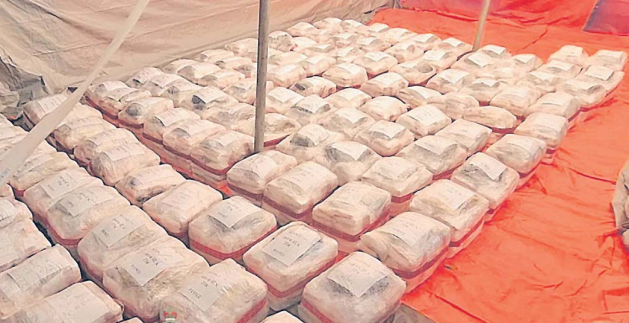
A significant moment that highlighted the scale of the problem occurred in early 2026, when authorities seized approximately 2.6 tonnes of cocaine in a major operation. This shipment, valued at over a billion Fijian dollars, represented one of the largest drug busts in the nation’s history and underscored the extent to which Fiji is now entangled in global trafficking networks. The sophistication of the operation, including the use of specialised vessels designed to evade detection, demonstrated that the issue is not isolated but part of a broader, highly organised international system. Such incidents have raised concerns not only about border security but also about the potential for corruption, organised crime, and long-term societal impacts.
In addition, while Fiji has historically been viewed primarily as a transit point, there is growing evidence that the presence of drugs is increasingly affecting local communities. The introduction of substances such as cocaine, alongside existing issues with methamphetamine, has begun to create significant social and public health challenges. There are rising concerns about drug use among young people, as well as its links to broader issues such as crime, unemployment, and the spread of diseases associated with unsafe practices. What was once seen as an external problem is gradually becoming an internal one, with implications for the country’s social fabric and future development.
Additionally, this situation presents a striking paradox. On one hand, Fiji continues to embody the qualities of a paradise, offering natural beauty, cultural richness, and a welcoming environment that supports a thriving tourism industry. On the other hand, it is confronting the realities of globalisation, where even remote island nations are not immune to the influences of transnational crime. The coexistence of these two narratives creates tension, as the perception of Fiji as a safe and idyllic destination must be carefully maintained, while addressing the underlying challenges that threaten it.
So much so, tourism remains a vital component of Fiji’s economy, and the country’s reputation for safety and tranquillity plays a crucial role in attracting visitors. Any negative perceptions associated with drug trafficking or crime have the potential to undermine this sector, making it essential for authorities to manage both the reality and the narrative effectively. While most tourist areas remain largely unaffected and continue to offer secure environments, the broader implications of the drug trade cannot be ignored. Maintaining the balance between promoting Fiji as a paradise and confronting its challenges requires strategic communication and decisive action.
In response to the growing drug threat, the Fijian government has taken steps to strengthen law enforcement capabilities, enhance border security, and collaborate with international partners. The successful interception of large drug shipments demonstrates an increasing capacity to address the issue, as well as a commitment to protecting national security. Regional cooperation has become particularly important, with countries across the Pacific working together to share intelligence and coordinate efforts against trafficking networks. These partnerships recognise that the problem extends beyond national borders and requires a collective approach.
However, addressing the issue of drugs in Fiji is not solely a matter of enforcement. There is also a need to invest in education, prevention, and rehabilitation to mitigate the social impacts of drug use. Community-based initiatives, youth engagement programs, and public awareness campaigns are essential in building resilience and reducing vulnerability to substance abuse. By focusing on both supply and demand, Fiji can develop a more comprehensive strategy that addresses the root causes of the problem while supporting affected individuals and communities.
Despite these challenges, Fiji’s identity as a paradise remains deeply rooted in its natural environment and cultural values. The country’s landscapes, traditions, and sense of community continue to define its character and appeal. Preserving this identity requires not only protecting physical resources, but also maintaining social cohesion and public well-being. The contrast between the image of Fiji Water and the realities of drug trafficking serves as a reminder that paradise is not static; it must be actively sustained through careful management and collective effort.
On the whole, Fiji stands at a critical juncture, where it must reconcile its global image with the complexities of contemporary challenges. The success of Fiji Water highlights the country’s ability to capture the world’s imagination, while the rise of cocaine trafficking underscores the vulnerabilities that come with increased global connectivity. Navigating this dual reality requires a balanced approach that integrates economic development, environmental sustainability, and social protection. By addressing these issues proactively and thoughtfully, Fiji can continue to thrive as both a symbol and a lived experience of paradise, ensuring that its future reflects not only its beauty but also its resilience and strength.

