FOR the rest of the world, the global environmental calendar is divided into neat diplomatic boxes — biodiversity in Armenia, climate change in Türkiye, and the high seas meeting in New York.
But for the Pacific, there is no such separation.
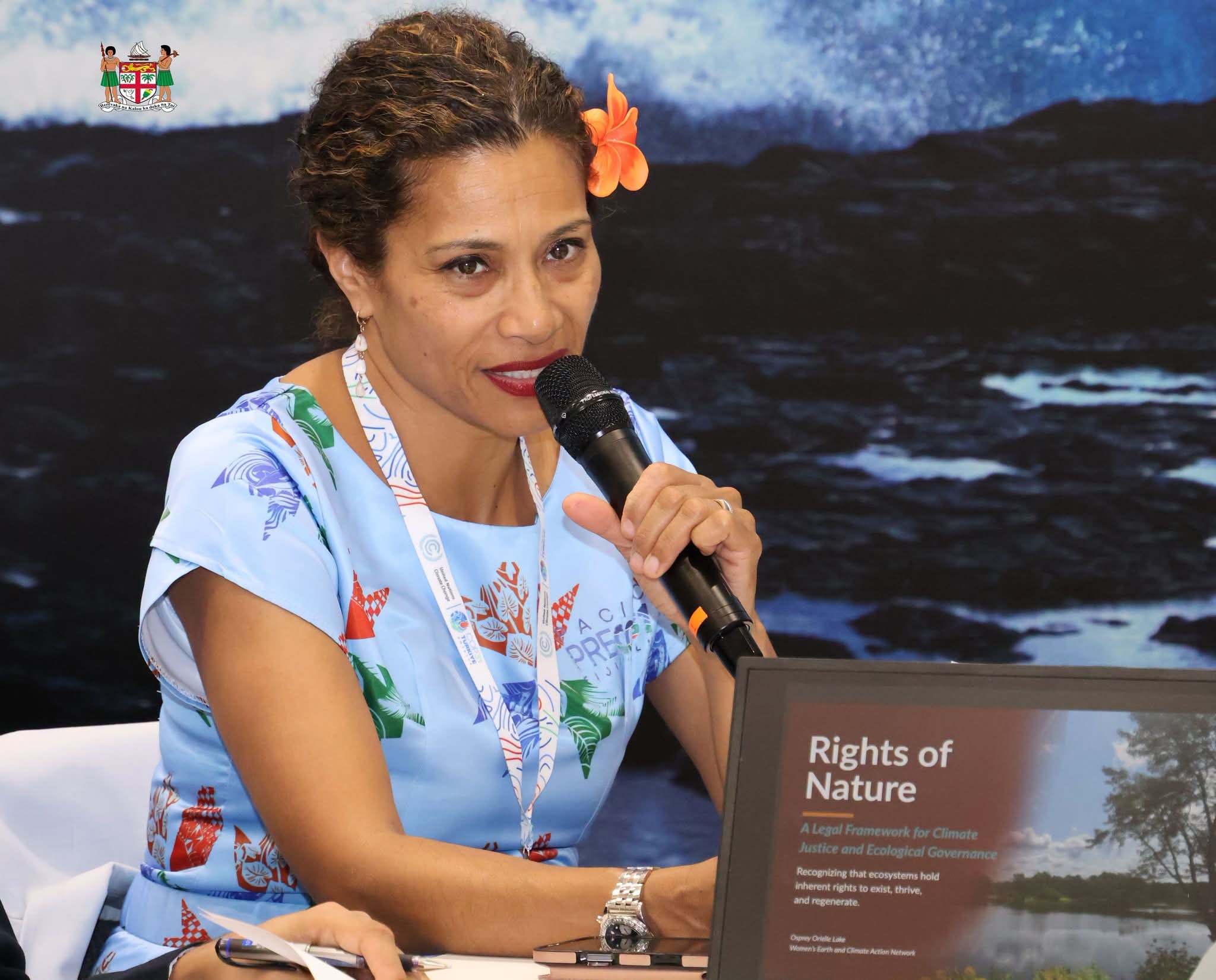
“There’s different lands, but one ocean,” Minister for Environment and Climate Change Lynda Tabuya told delegates at COP31 in Antalya.
“We have the same reef, the same fish, and the same communities. Yet within four months only, we carry that one ocean into three rooms.”
Speaking at a pivotal juncture of the COP31 climate summit, Ms Tabuya laid out Fiji’s uncompromising blueprint as chair of the Pacific Small Island Developing States (PSIDS).
From last month’s UN Biodiversity Conference (CBD COP17) in Yerevan to the current climate talks in Antalya, and onward to the inaugural High Seas Treaty COP in New York, Fiji has positioned itself at the helm to ensure the 14 Pacific island parties speak with a single, coordinated voice.
It is a diplomacy born of necessity and impatience.
In Yerevan, where Fiji’s Environment and Climate Change permanent secretary Dr Sivendra Michael co-chaired negotiations on the Global Review, the data laid bare a widening chasm between global promises and delivery.
The world is currently off track on 22 of its 23 biodiversity targets, and the promised $US20billion ($F45b) a year in biodiversity finance by 2025 failed to materialise.
“The Pacific didn’t go to Yerevan to renegotiate our ambition. We went to secure the means to deliver it,” Ms Tabuya said, pointing out that Fiji is already upholding its end of the bargain at home through its new National Biodiversity Strategy and its commitment to protect 30 per cent of its ocean by 2030.
Now in Antalya, Fiji is bringing that same insistence on accountability to the climate negotiations.
Armed with the Taku Pakasoa Declaration: Strength in Unity adopted by regional leaders during last month’s Pre-COP31 hosted by Fiji and Tuvalu and working alongside Pacific Ocean Envoy Inia Seruiratu, Fiji is pressing for the ocean to be given a permanent, institutionalised seat at the UNFCCC table.
Rather than treating marine ecosystems as a peripheral side event, Fiji wants annual reporting, review, and action on oceans woven directly into the COP31 cover decision.
Ms Tabuya warned that diplomatic language alone will not save Pacific coastlines if major emitters allow global temperatures to breach the 1.5 degrees Celsius threshold.
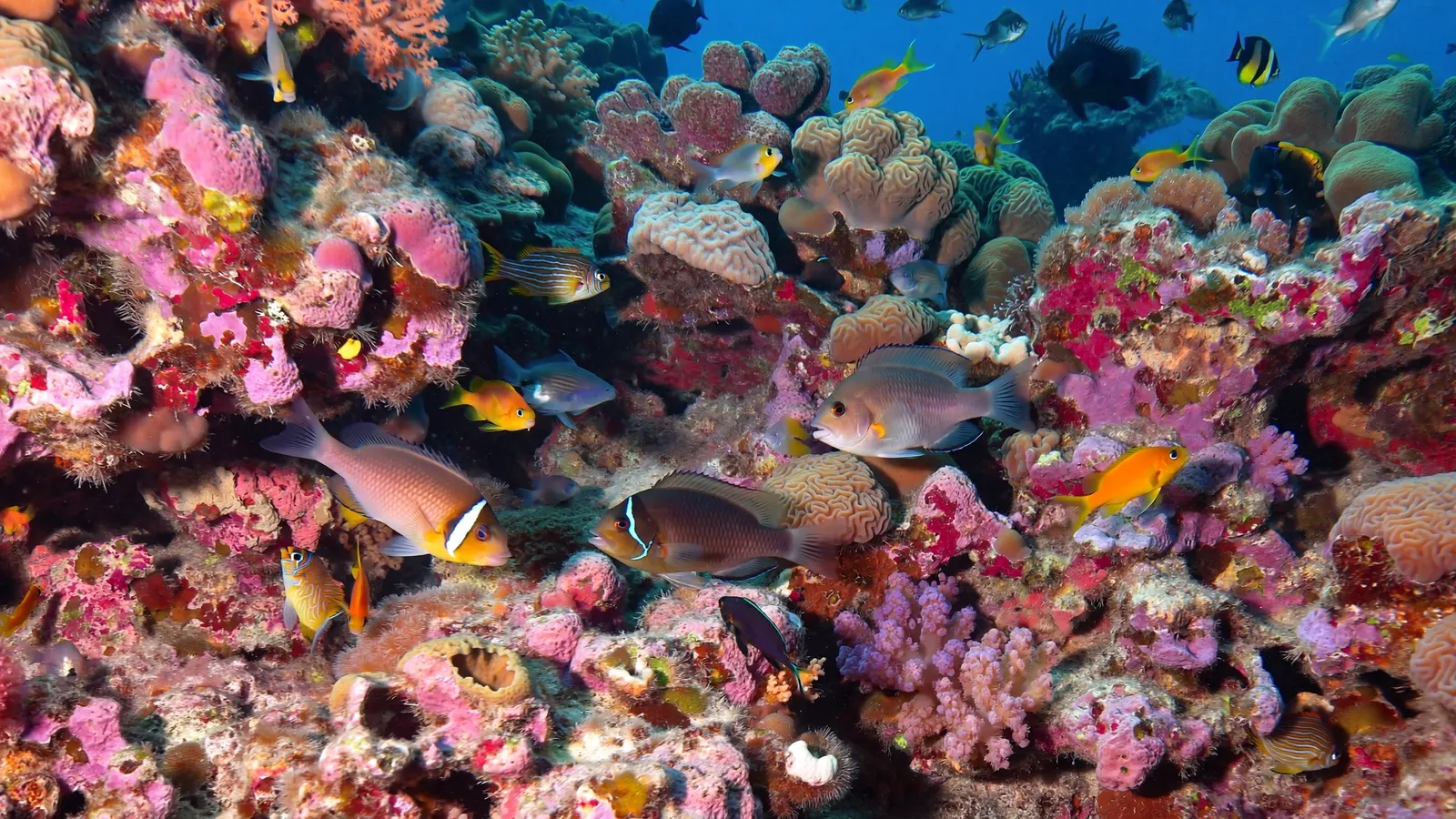
Even a temporary overshoot, she stressed, spells irreversible loss for Pacific coral reefs.
That urgency carries straight into the third “room” in New York next January, when nations convene for the first Conference of the Parties under the High Seas Treaty.
Coordinated through the Pacific Ocean Commissioner, the region is demanding a treaty with teeth, one backed by a strong scientific body incorporating Pacific expertise, genuine technology transfer to small islands, and seamless alignment with existing climate and biodiversity rules.
At the heart of Ms Tabuya’s address was a direct challenge to how wealthy nations and global markets value the Pacific’s marine wealth.
Protection and prosperity, she argued, are not opposites.
Fiji’s own Sovereign Blue Bond has already demonstrated that private investors are willing to back a healthy ocean. Yet globally, sustainable ocean action still receives less than 1 per cent of Official Development Assistance.
To close that gap, Ms Tabuya drew a firm red line on climate finance where she emphasised Pacific nations need accessible, predictable grants that are fit for purpose, not “blue carbon offsets that let emitters off the hook.”
Backing the Pacific’s moral argument with international law, she pointed to the landmark Advisory Opinion of the International Court of Justice (ICJ), which confirmed that states have binding legal obligations to protect both the climate system and the marine environment.
As negotiations in Antalya enter their decisive final week, Fiji’s message across every forum remains unchanged — protect the ocean, and you protect the people of the Pacific.