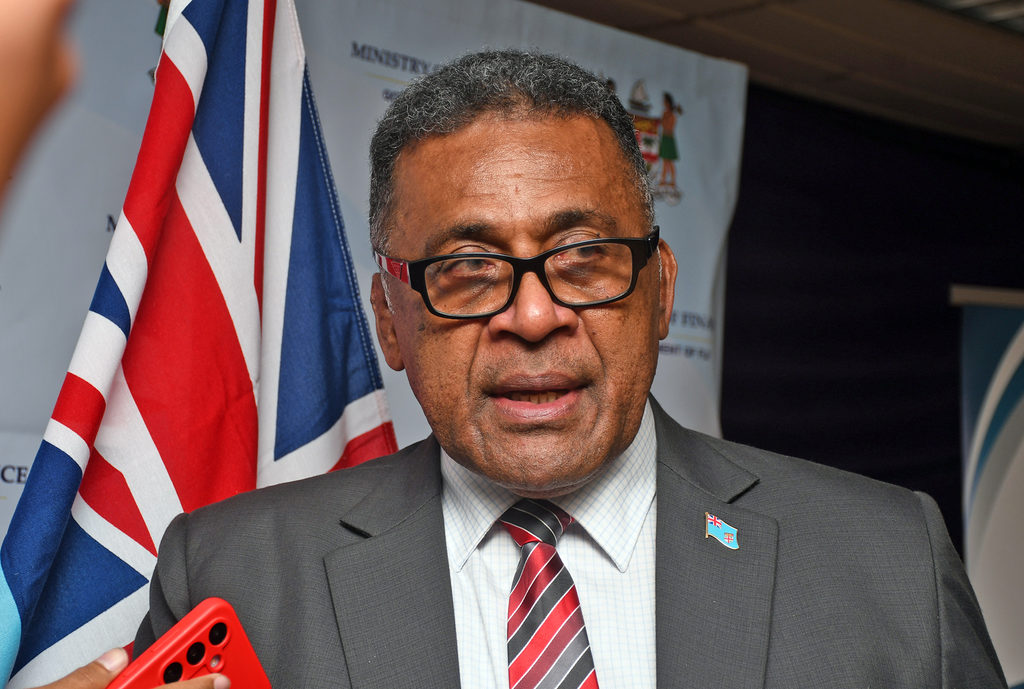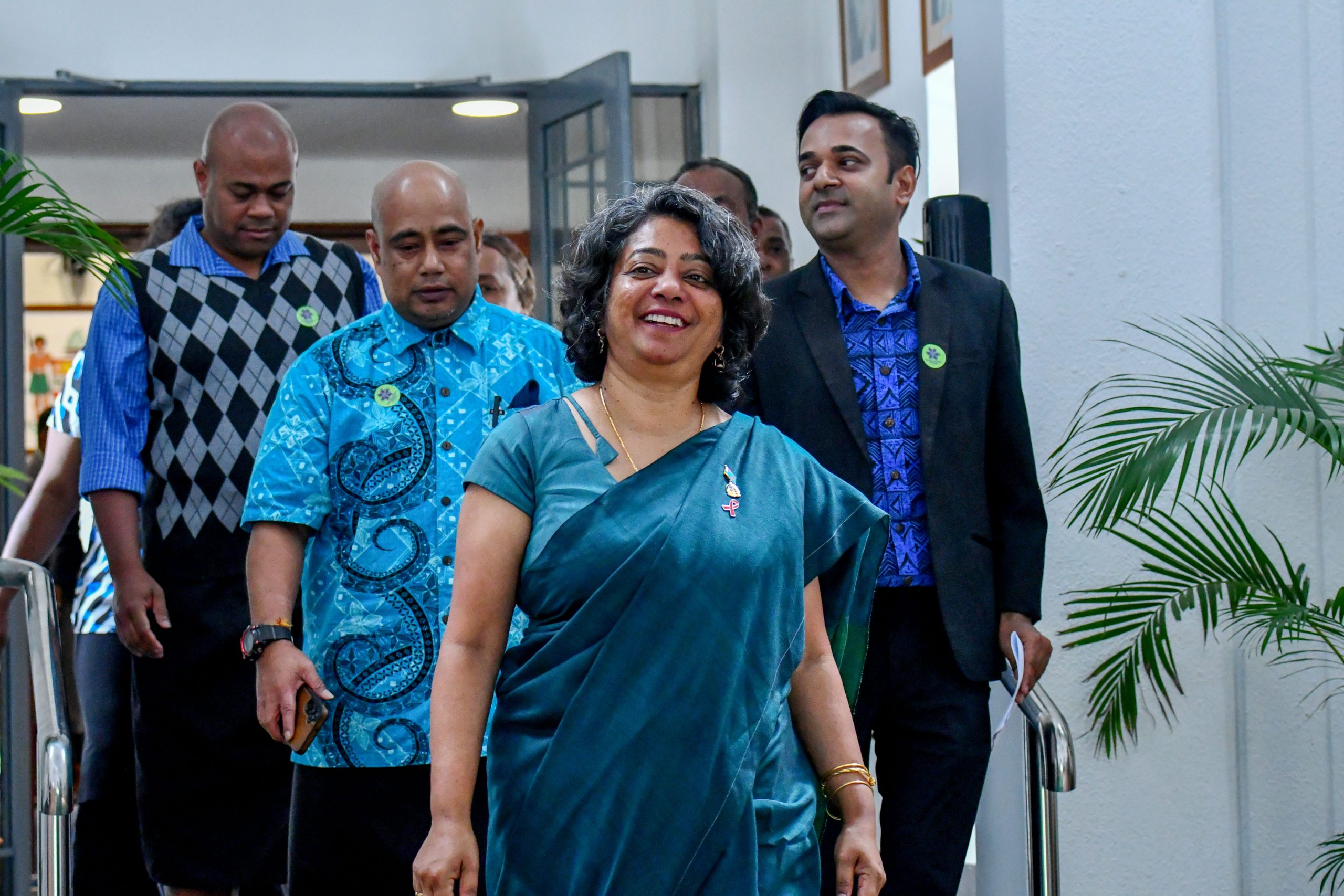
No individual found on the street is homeless because everyone comes from a family or community, says Minister for Women, Children and Social Protection Sashi Kiran.
Speaking in Parliament last week, Ms Kiran said people often became disconnected from their families because of disagreements, abandonment, addiction or a desire to live free from family obligations.
“It is worth noting that no individual found on the street is homeless. Everyone comes from a family or community,” she said.
“Many have disconnected from their family because of disagreements, abandonment, addiction or desire to live free from family obligations.”
She said adults could not be forced to remain with their families or in residential institutions, with some declining accommodation or later choosing to return to the streets.
“This is why continuing outreach, counselling, family engagement and follow-up support are essential.”
Ms Kiran said removing a person from the street and placing them in a home or shelter did not, by itself, address the circumstances that led them to the streets.
She said the ministry undertook individual assessments and case management to determine the specific needs of each person.
Support could include family tracing and mediation, medical treatment, counselling, safe accommodation, education, vocational training, rehabilitation and access to social protection assistance.
Ms Kiran said recent operations in July and August in Suva, Nausori, Lautoka, Nadi, Sigatoka and Labasa had resulted in individuals being reintegrated with their families or placed in residential facilities such as Kauwai Restoration Home.
During a Lautoka operation in July, 56 people were profiled, including 20 people engaged in begging and 36 street dwellers.
About 75 per cent were young people aged between 15 and 35.
“This highlights the need for active parenting and family support for prevention, education, rehabilitation, skills training and employment opportunities for young people.”
Ms Kiran said preventing people from returning to the streets was a whole-of-society responsibility requiring cooperation between families, police, health services, municipal councils, faith-based institutions, civil society, employers and communities.
“The goal is not merely to move people from public spaces. Our goal is to restore their safety and dignity, address the causes that brought them to the streets, and give them the support and opportunities needed to rebuild their lives.”