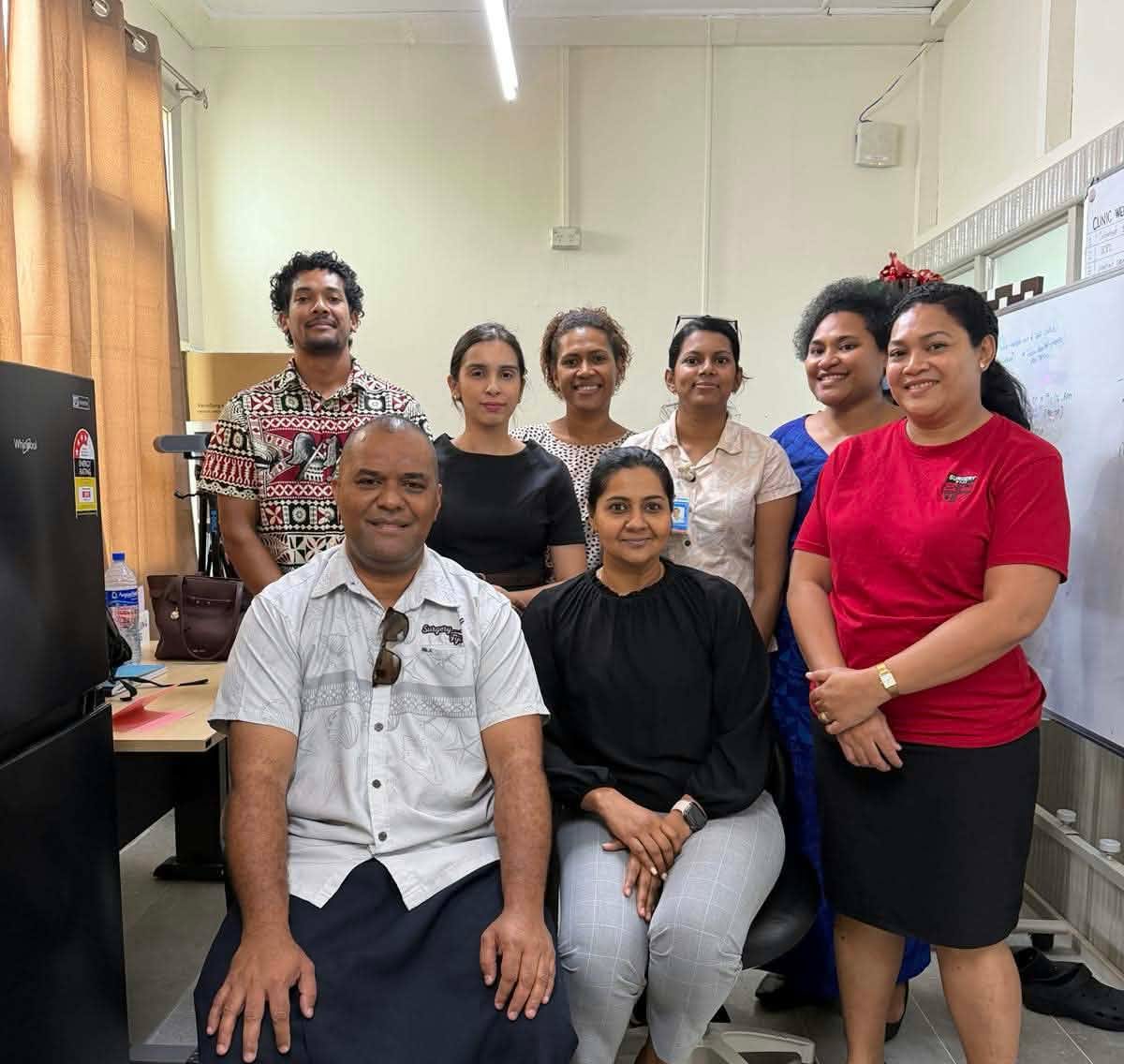
MOVEMBER serves as a timely reminder for men to prioritise their health, as growing concern over oral cancer cases in Fiji highlights the dangers of late diagnosis and delayed treatment.
Oral surgeon and acting head of the Dental Department at the Colonial War Memorial Hospital (CWMH), Dr Inosi Salababa, said Fiji was recording about two new oral cancer cases each month, with many patients presenting at an advanced stage.
He said the situation had changed significantly since he began working in 2005, when only two to three cases were recorded annually.
“One of the major challenges was that early symptoms were often mistaken for ordinary mouth problems,” he said.
Warning signs include persistent mouth ulcers, sores or wounds, lumps, swelling, white or red patches, numbness, unexplained bleeding, difficulty swallowing, changes in speech, unexplained ear pain, loose teeth and dentures that no longer fit properly.
“People should also remember that a whitish patch in the mouth may be an early sign of squamous cell carcinoma, which accounts for about 90 per cent of oral cancers.”
He encouraged people to check their mouths regularly, particularly under and along the sides of the tongue, the floor of the mouth, gums, roof of the mouth and inside the cheeks.
Dr Salababa identified tobacco use and alcohol consumption, particularly when combined, as major risk factors for oral cancer.
He said smokers were about eight times more likely to develop oral squamous cell carcinoma than non-smokers.
Other risk factors include chewing tobacco, betel nut or areca nut, prolonged exposure to sunlight, poor oral hygiene, persistent irritation from sharp teeth or ill-fitting dentures, a weakened immune system and certain types of human papillomavirus (HPV).
Dr Salababa said delayed diagnosis could allow cancer to grow and spread to surrounding tissues and lymph nodes, making treatment more complicated.
Treatment decisions were made by a multidisciplinary team of specialists who reviewed each patient’s pathology and imaging results, he said.
“Early detection therefore gives patients more treatment options, less extensive surgery, better function and a much better chance of recovery.”
Treatment could involve surgery, radiotherapy, chemotherapy or a combination of these, depending on the stage of the disease and the patient’s condition.
CWMH’s Oral Surgical Unit performs oral cancer surgery, supported by other specialist services, including the Plastics Unit and Oncology.
However, radiotherapy is currently unavailable in Fiji, meaning patients who require the treatment must travel overseas, often to India.
Dr Salababa encouraged men to include regular dental examinations in their health routines and seek professional advice rather than wait for symptoms to worsen.
“People could reduce their risk by avoiding tobacco, limiting alcohol consumption, protecting their lips from excessive sunlight and maintaining good oral hygiene.”