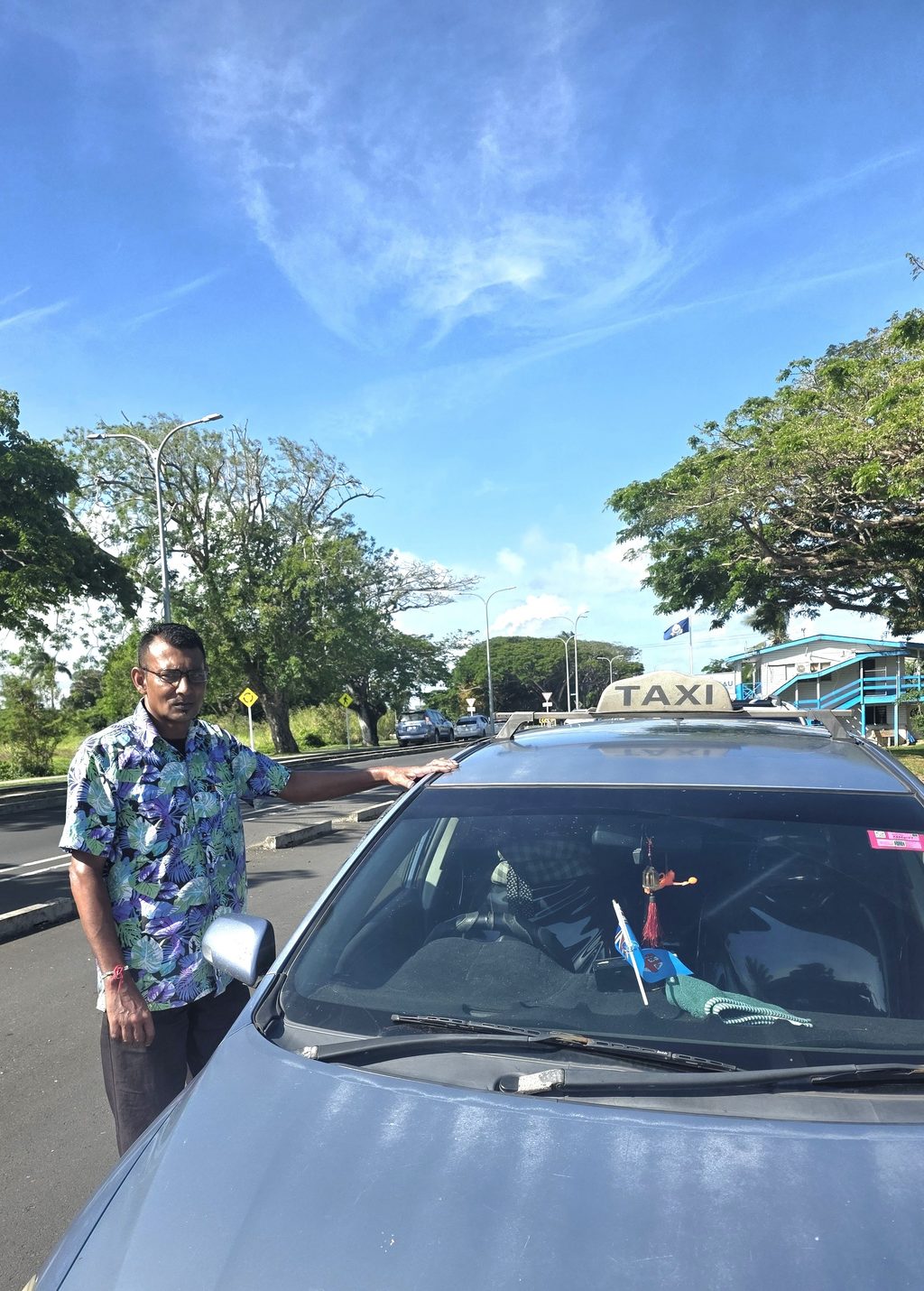
The rush-hour traffic, rising fuel costs and the risk of being robbed are among the challenges Atishwar Prasad faces every day behind the wheel of a taxi.
Originally from Labasa and now living in Valelevu, Mr Prasad has spent the past two and a half years navigating busy roads to earn a living, a decision he made after a medical issue forced him to leave his previous employment.
“Before, I used to work for other companies, but then I got a medical issue, so I can’t work anywhere else,” he said.
His working day usually begins at 2pm and ends around midnight, allowing him to take advantage of peak hours when people are travelling home from work and school.
“The busiest time for me is 5pm to 7pm because that is traffic time and most people are rushing home to their families.”
Mr Prasad works seven days a week, including Sundays, which he considers a good opportunity to earn an income.
He said fewer public service vehicles were available on Sundays, while people still needed transport to church, shopping centres and family outings.
Although the taxi belongs to someone else, he values the independence his job provides.
“I love this job because I don’t have to work under somebody. I can take a rest when I want to and start when I want. You are your own boss.”
However, the freedom comes with serious risks.
Mr Prasad recalled an incident in which passengers allegedly robbed and assaulted him, leaving him injured and taking his money and belongings from the taxi.
“I was badly injured. They took my money and everything I had in the taxi.”
He reported the incident to police but said he could not provide evidence to identify those responsible.
Another major concern is the increasing number of private vehicles allegedly operating as taxis without the required permits, commonly referred to as “pari” cars.
Mr Prasad believes these operators take passengers away from licensed taxi drivers and affect their ability to earn a living.
He is calling on the Government, Land Transport Authority and Fiji Police Force to strengthen enforcement and ensure all passenger transport operators follow the required rules.
Fuel costs and traffic congestion also affect his daily earnings. He said long hours spent in traffic meant more fuel was consumed while drivers waited for vehicles to move.
Poor road conditions, particularly on feeder roads, add to the problem, with potholes increasing the risk of vehicle damage and costly repairs.
“Everything is expensive now.”
Mr Prasad believes taxi fares and waiting charges should be reviewed to reflect the costs drivers face, particularly when passengers ask them to wait at several locations. He also raised concerns about careless driving, saying some motorists drove too slowly while others drove recklessly, creating risks for everyone using the road.
Pedestrian safety is another issue he wants addressed.
He believes the Land Transport Authority should visit schools to teach children the importance of road safety, particularly when crossing busy roads.
Despite these challenges, Mr Prasad remains committed to his work, prioritising the safety of the passengers he carries.
For him, taxi driving is not simply about getting people to their destinations. It is about earning a living while navigating the daily pressures of traffic, rising expenses and safety concerns.
He hopes stronger enforcement, safer roads and fair competition will improve conditions for taxi drivers across Fiji.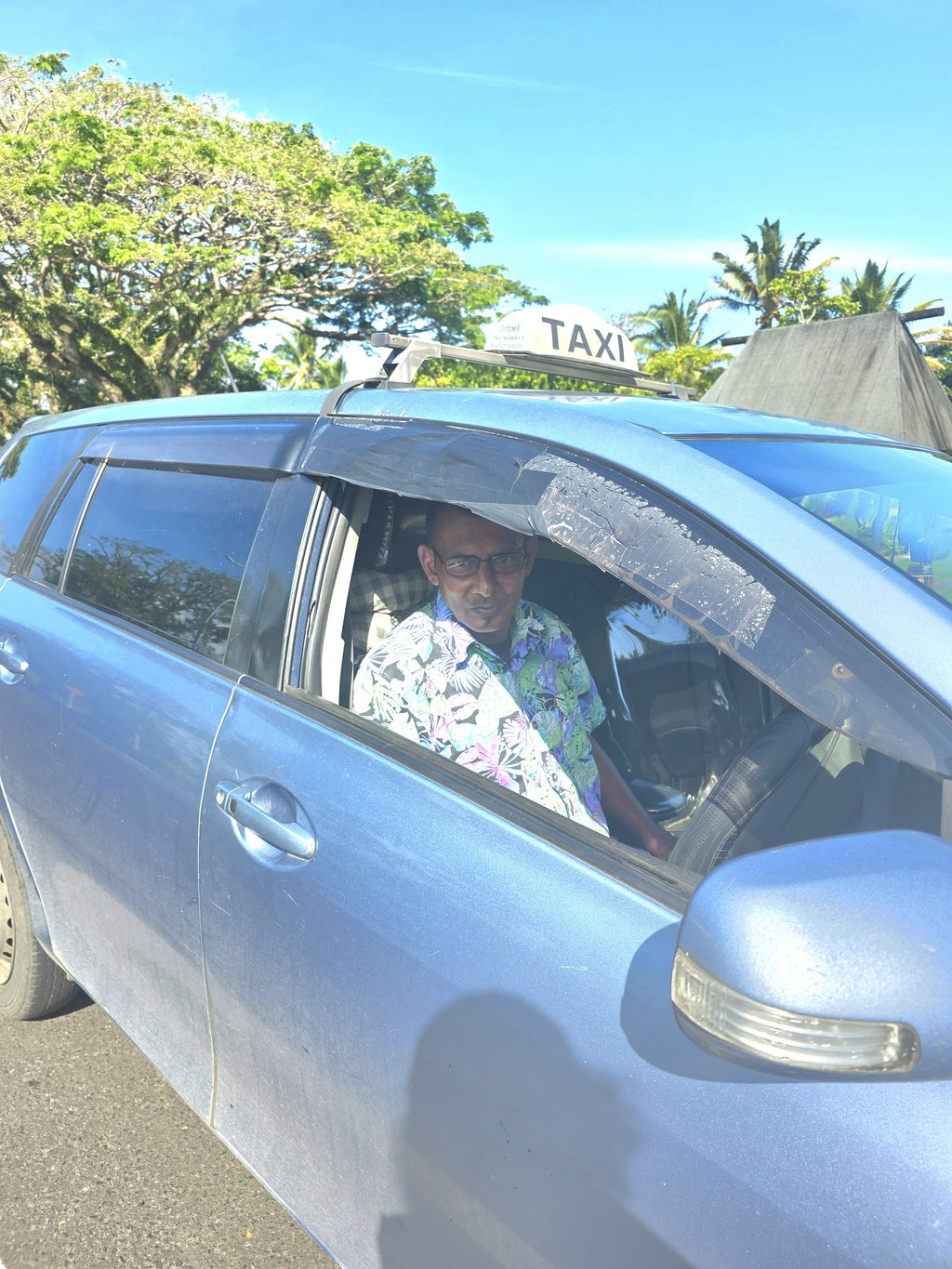
Atishwar Prasad in his cab at Queen Elizabeth Drive, Suva.

Prasad says fuel costs and traffic congestion affect his daily
income.