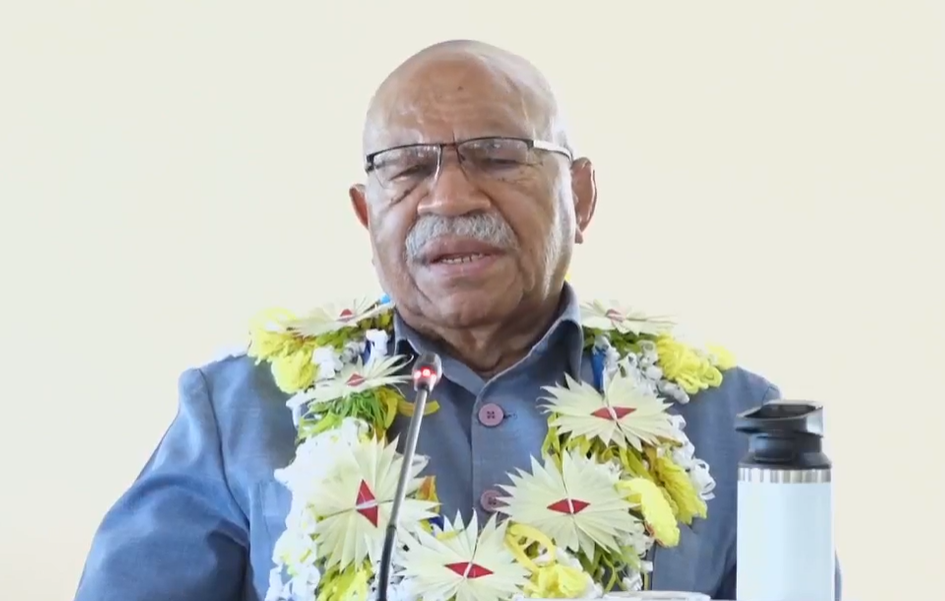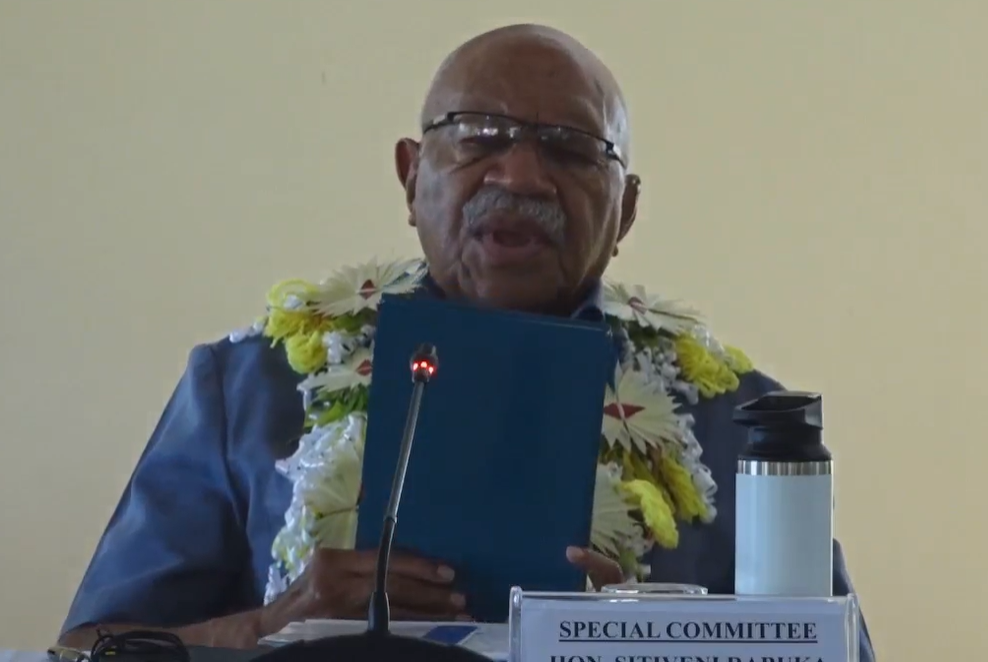
THE Electoral (Amendment) Bill 2026 introduces penalties for conduct that should not necessarily be treated as criminal offences, according to Centre for Democracy and Dialogue (CDD).
CDD chief executive officer Nilesh Lal told the Standing Committee on Justice, Law and Human Rights that Parliament should instead establish three categories of electoral offences, separating minor administrative breaches from conduct that threatens the integrity of elections.
Mr Lal said the proposed legislation’s two categories, illegal electoral practice and corrupt electoral practice, were an improvement but did not go far enough.
He recommended a third category for administrative infringements, covering matters such as late filing, minor labelling errors, correctable form defects and other low-harm procedural breaches.
“These should ordinarily attract a warning, a direction to correct the issue, or a modest administrative or civil penalty, with no imprisonment,” Mr Lal said.
“The second category, illegal electoral practice, would cover deliberate or repeated breaches of electoral rules that cause genuine regulatory harm.
“The most serious category, corrupt electoral practices, should be reserved for conduct such as bribery, treating, undue influence, personation, ballot tampering and serious misuse of State resources.”
Mr Lal said the current system treated fundamentally different conduct through the same criminal lens, with severe penalties applying to technical or administrative failures.
He said an administrative mistake should not be treated in the same way as bribery or deliberate interference with an election.
CDD also raised concerns over what it described as extraordinary powers given to election administration, restrictions on civil society and research, and limits on political expression and public debate.
“CDD is not seeking to dismantle the electoral legislation, but asking Parliament to preserve what works, liberalise unnecessary restrictions and correct poorly drafted provisions.”