Fiji’s health ministry is ramping up its HIV testing programs as it braces for a projected increase in cases.
In a statement released last week, the Ministry of Health and Medical Services confirmed 552 new cases of HIV were recorded from January to June this year.
The total number of new cases in the first six months of 2024 is 33 per cent more than the total number recorded in the year 2023.
Head of Family Health Dr Rachel Devi said the ministry was well aware of the strain this may place on the sector’s resources and facilities if unprepared.
“That is one thing we’re preparing for, so as we increase our testing, we’re decentralising our services as well, and not just within public, but we’re also working with individual private GPs (general practitioners) that see some of our patients as we speak and NGOs (non-government organisations) as well, where there’s capacity,” she said.
“We try to build their capacity and we’re working it almost becomes like a non-communicable disease, like an SOPD (Specialist Outpatient Department) right across the nation, in different facilities, in different sites and just making sure medication is available right across as well.”
She said the partnership between the ministry and civil society organisations was vital in terms of on-site testing and community outreach.
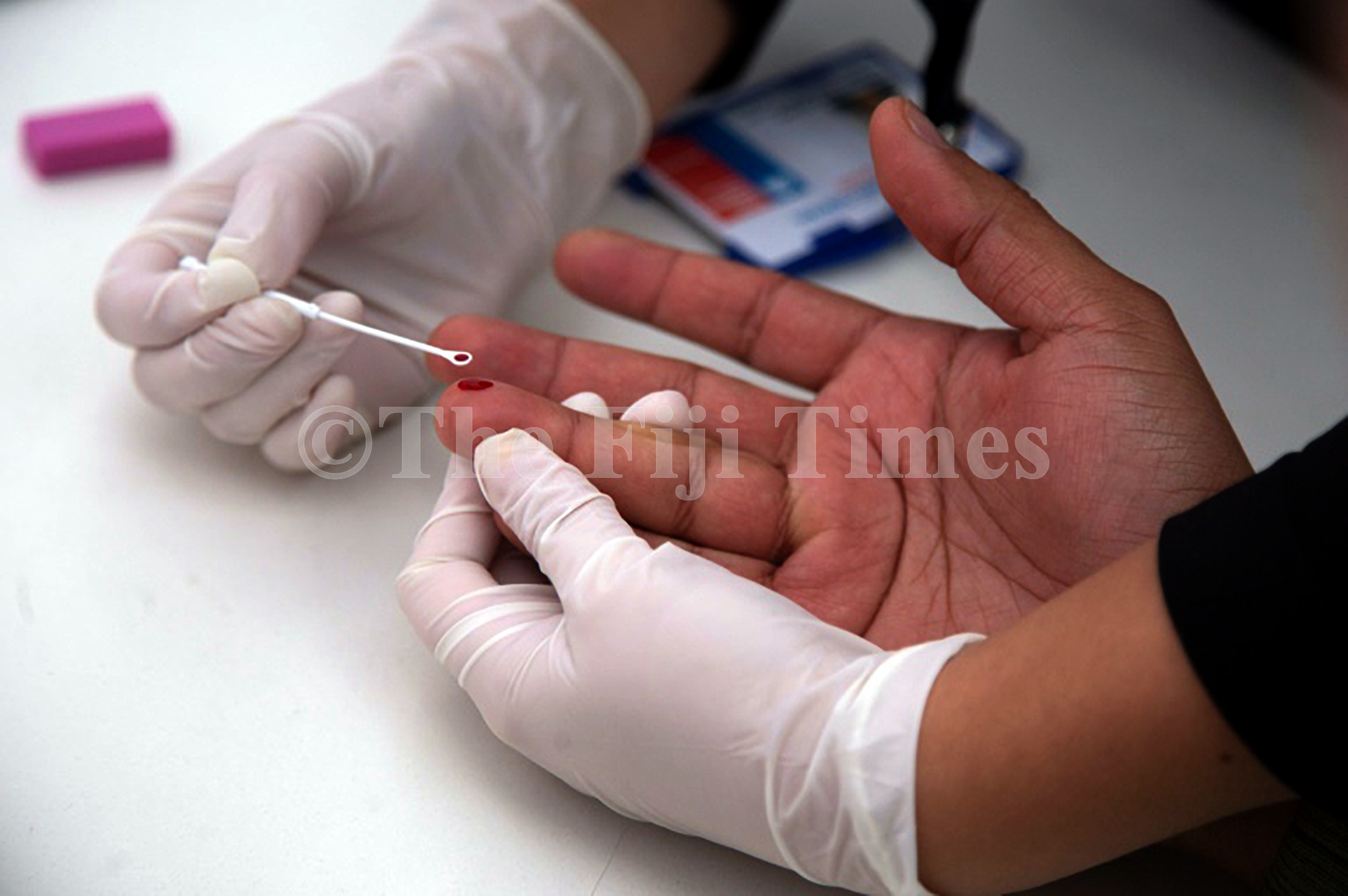
“We trained them with our trainers, and they even do tests for us on-site, for example, we have MSP (Medical Services Pacific) and other organisations like the universities. They come in and they are trained on point-of-care testing. So they do that in their own facilities, their test and they don’t do just that in their clinics or sites, they also go out as well,” she said.
“One of the things that’s important is without seeing the rise, you won’t see the fall, so we want to test as many people and we’re encouraging people to get tested, every individual, every young person out there, everyone needs to know your status. If it’s negative, maintain it, if it’s positive, do something about it because HIV is not a death sentence you can still live with it, the only thing is, there are medications you need to go on.”