DRUG syndicates are increasingly paying their dealers and couriers in methamphetamine instead of cash, creating new challenges for prosecutors investigating the links between drug trafficking and human trafficking.
Deputy Director of Public Prosecutions John Rabuku said the practice, described as “meth on meth”, allowed higher-level dealers to avoid paying their lower-level members while keeping them dependent on the syndicate.
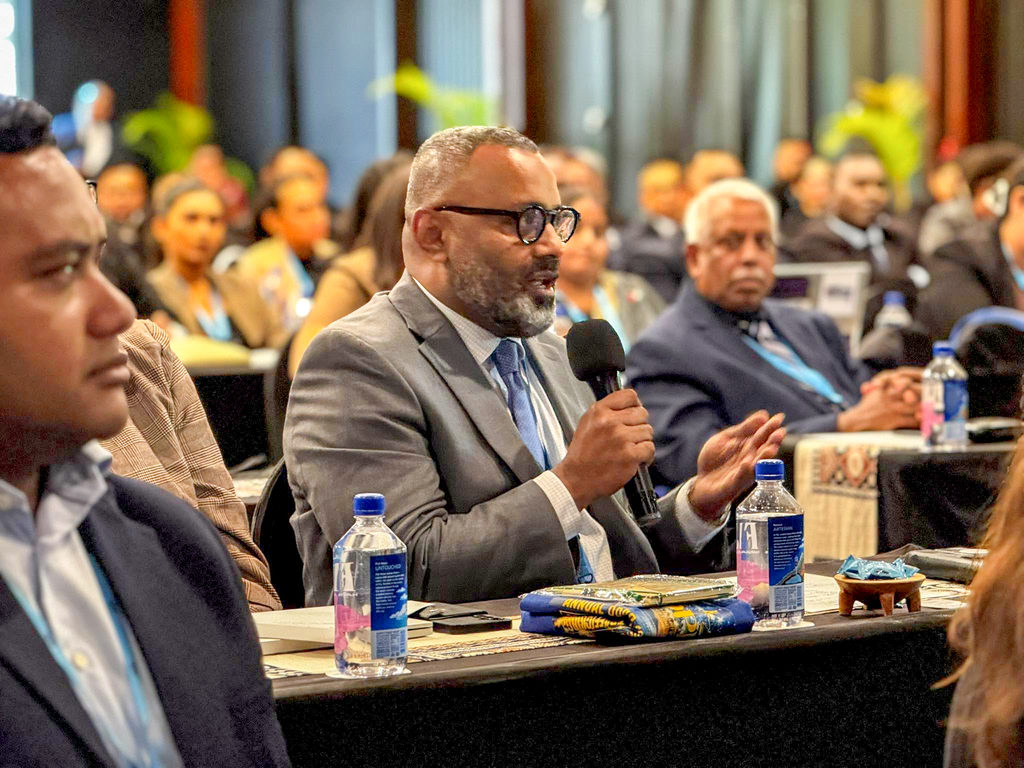
Speaking at the annual Office of the Director of Public Prosecutions conference in Sigatoka this week, Mr Rabuku explained that a dealer could receive 500 grams of methamphetamine, sell 400 grams and return the proceeds to the syndicate boss while keeping the remaining 100 grams.
“So what the dealer does with the remaining drugs, whether selling them, converting them into cash or consuming them, was left their business,” he said.
“And its this arrangement that creates elements of human trafficking, particularly where couriers and smaller dealers became dependent on syndicate leaders for their daily needs and drug addiction.”
He said this was changing how prosecutors approached drug-related cases, as they now had to consider whether accused persons were perpetrators or victims of human trafficking.
“This presents challenges in major prosecutions, where individuals could previously be charged alongside other members of a drug syndicate for unlawful possession.”
Mr Rabuku said if an accused person was identified as a genuine trafficking victim, prosecutors would have to consider removing them from the charges and potentially making them a State witness, subject to the required processes.
He said Fiji’s Crimes Act contained extensive human trafficking provisions, while the proposed Counter Narcotics Act would introduce additional offences and broaden existing provisions.