
THE story of Indians in Fiji began with a journey across the ocean, a journey that brought hope, hardship and eventually the foundation of communities that would contribute greatly to the development of the nation.
On May 14, 1879, the first Indians arrived in Fiji aboard the ship Leonidas as indentured labourers under the British colonial system.
The 463 men, women and children who stepped onto Fijian soil were brought to work on sugar plantations, leaving behind their homeland and families for an uncertain future.
Their arrival marked the beginning of a new chapter in Fiji’s history.
Over the following decades, more than 60,000 Indians arrived under the indenture system before it ended in 1920.
Many of those who completed their contracts chose to remain in Fiji, making the country their home, raising families and becoming farmers, workers and community members.
However, the story of Indian migration to Fiji did not end with indenture.
As Fiji developed, other Indians arrived not as labourers but as traders, craftsmen and businesspeople searching for opportunities.
They came with skills, determination and the desire to establish a better future through business.
Among them were Gujaratis and Punjabis, communities that became closely associated with trade and entrepreneurship.
Meridian Store managing director Champak Lal Dayaram said the journey of these early migrants showed the importance of courage and hard work.
“Those people who came here had nothing guaranteed. They came to an unknown place, but they had the confidence and determination to build something,” he said.
“They started small. They worked hard, they understood the needs of the community and they slowly established themselves.”
The arrival of Gujarati businesspeople in Fiji was part of this wider movement.
The first Gujaratis in Fiji were two goldsmiths from the Sonar caste who arrived in 1904 from Natal. Originally from Porbandar in the Kathiawar district of Gujarat, they came to Fiji with support from Totaram Sanadhya.
Four years later, more goldsmiths arrived, followed by other skilled workers including tailors, barbers, launderers and shoemakers from Surat and Navsari.
Between 1916 and 1920, of the 752 Gujaratis who applied to migrate to Fiji, 336 were from Surat, 296 from Navsari and 120 from Kathiawar.
Patels also began arriving in 1914, mainly from Baroda State and the Nadiad district of the Bombay Presidency. Although many had backgrounds as farmers in India, they became involved in businesses such as grocery shops, drapery and laundry services in Fiji.
Mr Dayaram said these migrants adapted to their new environment and used their skills to create opportunities.
“When they came here, they had to learn about Fiji. They had to understand the people, the culture and the needs of the community,” he said.
“They were not only thinking about themselves. Their businesses became places where people could access goods and services.”
Small shops established by migrant families became important parts of villages and towns. They supplied daily necessities, supported local communities and created relationships that lasted for generations.
Mr Dayaram said the success of these businesses came from trust.
“Business is not only about selling products. It is about building relationships. If people trust you, they support you.”
“That is something the older generation understood very well.”
Many Punjabi migrants also became part of Fiji’s business landscape, bringing their own traditions of entrepreneurship and hard work. They established businesses in different sectors and became recognised for their contribution to trade and commerce.
He said the commitment shown by these communities created opportunities for future generations.
“They came here and they worked hard. They did not complain about difficulties. They focused on creating a better life for their children.”
The growth of Indian businesses across Fiji also reflected a wider story of migrants turning challenges into opportunities.
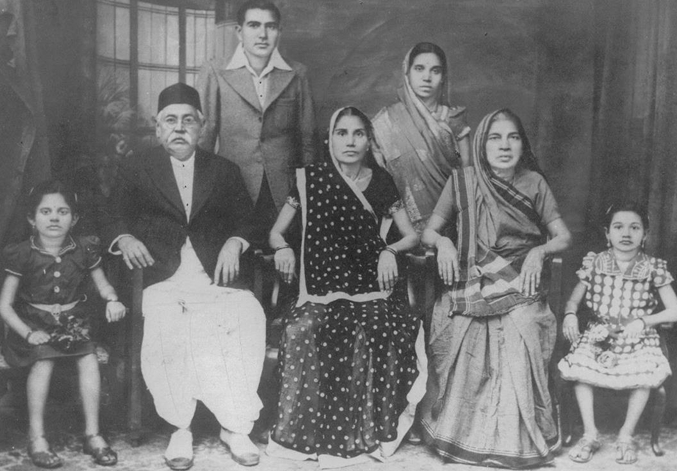
From small village shops to larger enterprises, these businesses became part of Fiji’s economic development. For the Dayaram family, this history is closely connected to their own journey. In early 1926, Dayaram Fakir arrived in Fiji by ship and settled in Wairiki, Taveuni.
His arrival was part of the wider movement of Indians who came to Fiji seeking opportunities and building new lives. Mr Dayaram said his grandfather’s experience represented the struggles faced by many early migrants.
“They came here without knowing what the future would bring. They had to have faith, patience and courage.
“When you look back at their journey, you realise the sacrifices they made so that future generations could have better opportunities.”
Dayaram Fakir established a small business that later became known as Meridian Store, creating a legacy that continues nearly a century later.
Mr Dayaram said the values of earlier generations remain important.
“The foundation was built by our grandparents and parents. They taught us that success comes through commitment and dedication.
“They showed us that a business must always have a connection with the community.”
Today, many businesses established by descendants of early migrants continue to operate across Fiji. Their stories are reminders of the determination of people who arrived with limited resources but strong ambition.
The journey from the arrival of indentured labourers on the Leonidas to the establishment of successful businesses across Fiji is a story of resilience. It is a story of people who faced uncertainty, embraced a new home and contributed to the country’s growth.
For Mr Dayaram, remembering this history is important because it honours those who came before.
“We must remember the struggles and sacrifices of our ancestors. Without their hard work, we would not be where we are today.”
Their legacy lives on not only through businesses and buildings, but through the values they passed down hard work, respect, service and commitment to the communities they helped build.

