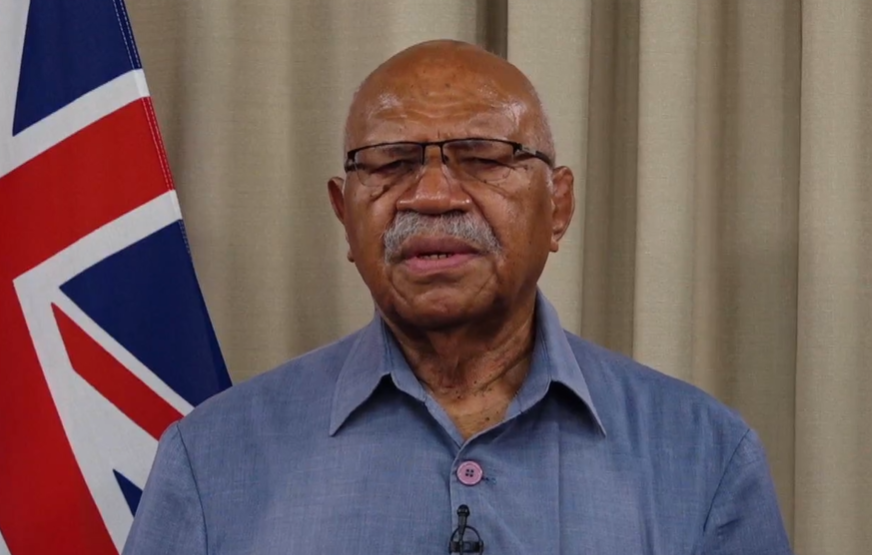
The fishing industry in the Pacific is faced with numerous challenges, says Minister for Fisheries and Forests Kalaveti Ravu.
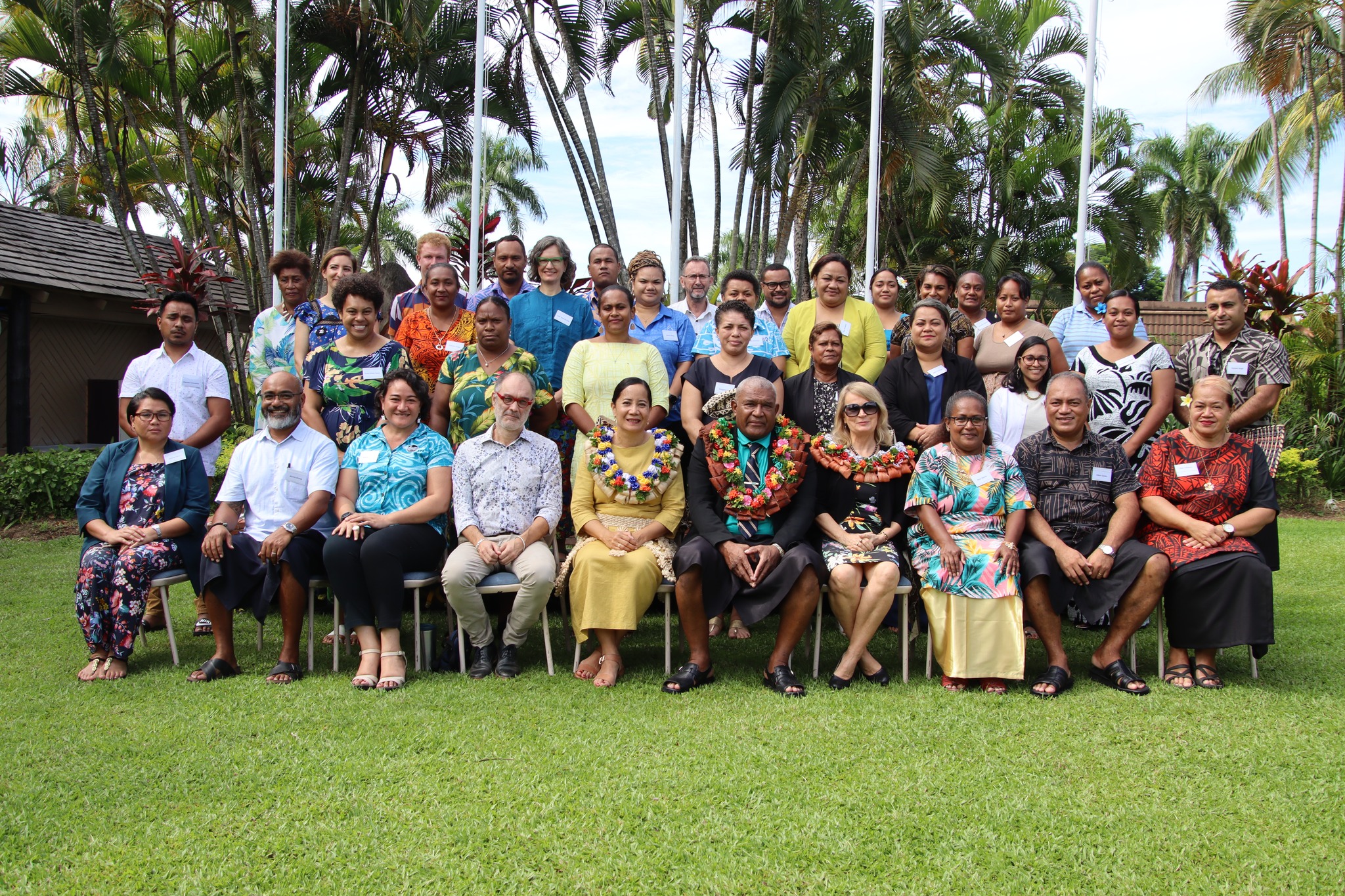
While opening the Regional Dialogue on the Human Dimensions of Pacific Tuna Fisheries in Nadi this week, Mr Ravu highlighted the importance of cooperation between national and regional industry stakeholders.
“In Fiji and many other Pacific island countries, the fishing industry is a source of livelihood and cultural identity for many communities,” he said.
“It is not just about the financial gains, but also about preserving the traditional practices and ways of life for future generations.
“However, this industry also faces numerous challenges, including overfishing, illegal, unreported, and unregulated (IUU) fishing, and the exploitation of fishing communities.
“These issues not only affect the health of our ocean resources, but also the well-being of our people.”
He added the Pacific community had to ensure their resources were safe guarded.
“As a member of the Pacific community, the custodian of the Pacific Ocean, we recognise and are committed to ensuring that the resources of the Pacific Ocean are protected, well managed and sustainable for all Pacific peoples – women, men, children, and the elderly.”
The discussions led by the Pacific Islands Forum Fisheries Agency (FFA), under the European Union and the Swedish Government funded Pacific-EU Marine Partnership (PEUMP) Program, brought together representatives from different areas of the tuna fisheries sector from government, private sector and civil society to discuss the linkages between human rights issues such as working conditions at sea and in processing plants of the estimated 27,000 Pacific Islanders employed in the tuna fisheries sector.
Also on the agenda were gender equality, social inclusion and productivity in the tuna fisheries sector.