
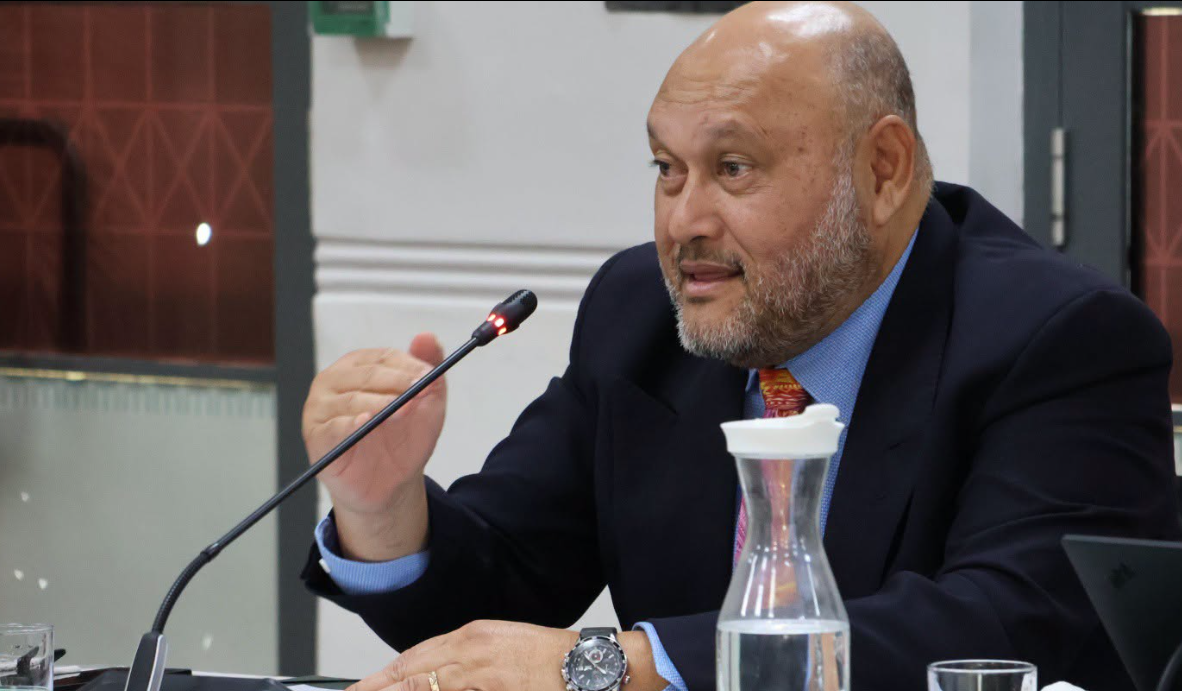
Energy Fiji Limited Chief Executive Officer Fatiaki Gibson has warned that Fiji’s electricity system faces growing pressure from declining hydro dam levels, fuel supply uncertainties, and the possibility of a prolonged dry season linked to a developing super El Niño event.
Speaking before the parliamentary Standing Committee on Economic Affairs, Gibson said dam levels at the Monasavu Hydro Scheme are currently tracking below levels recorded at the same time last year.
“2026 is the red graph. It’s below the 2025 graph, which is the green graph,” Gibson told committee members while explaining EFL’s monitoring of water levels at the country’s largest hydroelectric facility.
He said Fiji’s electricity generation relies on a delicate balance between renewable hydro power and thermal generation.
“The way EFL runs the generation mix is that we need the hydrology, or the renewable energy, plus the thermal to work hand in hand. If one is affected, the nation becomes vulnerable because we cannot meet the demand.”
Gibson noted that the recent fuel supply challenges have highlighted the importance of maintaining that balance.
“When we have the fuel crisis, one end of the mix is also affected, so it’s a balancing act. For EFL to be able to ride this dry season, it needs to manage the dam level from now until the next rainy season, which is around November or December.”
He said overuse of hydro reserves could leave the country exposed later in the year.
“If we drain the water, then we will only meet 50 percent of the demand. If we run out of fuel because of the fuel crisis, we’ll also run out of the ability to meet the demand.”
Gibson also pointed to historical data from the severe 2003 drought, warning that EFL is preparing for the possibility of a prolonged dry period as climate specialists raise concerns about a super El Niño event.
“We are hearing from the specialists about a super El Niño. The science is saying that this region, the West Pacific, will undergo a prolonged dry season.”
While recent rainfall has provided some relief, Gibson cautioned that weather patterns could shift.
“We’ve had rain in June, but we are conscious that instead of the rain coming in November or December, it might be prolonged.”
He said lower electricity demand during the current cooler months is helping ease pressure on the system, but demand is expected to increase later in the year.
“The only thing that’s going for us at the moment is that the load demand is low because of the cold weather, but as we get towards the latter part of this year with the heat coming in, the demand starts to increase, so we must have the capability and capacity to meet that demand.”
Gibson said EFL continues to closely monitor both fuel supplies and hydro reserves to ensure reliable electricity generation throughout the remainder of the year.

