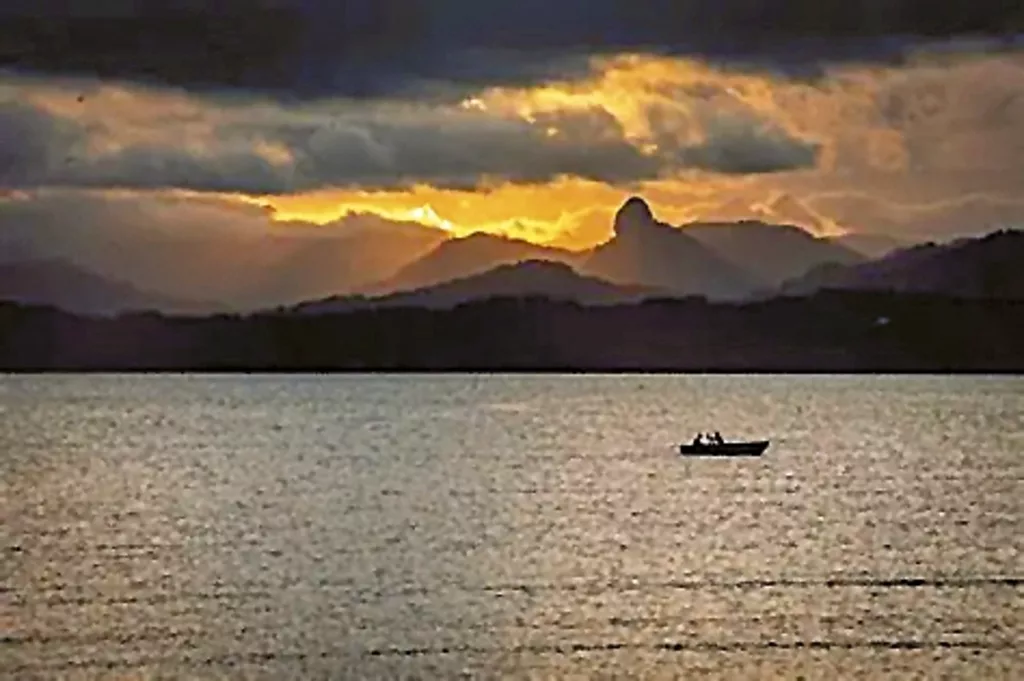
Joske’s Thumb or Devil’s Thumb is a striking volcanic formation that dominates the skyline view of Suva, the capital of Fiji. Rising sharply as a precipitous volcanic plug, the peak lies approximately 15 kilometres west of the city and is one of the region’s most recognisable natural landmarks.
Its base can be accessed via Naikorokoro Rd, which connects Naikorokoro Village to the Queens Rd.
The turn-off to this road is located about 0.8 kilometres west of the Lami Bay Hotel, making the site relatively accessible despite its rugged terrain.
The mountain is not only notable for its dramatic appearance but also for its historical associations.
One of the most famous figures linked to Joske’s Thumb is Edmund Hillary, the renowned climber who, alongside Tenzing Norgay, became the first confirmed individuals to summit Mount Everest.
During the Second World War, Hillary was stationed in Suva as part of the Royal New Zealand Air Force, serving as a navigator with the No. 5 Squadron.
While based there, he made two unsuccessful attempts to climb Joske’s Thumb.
Dense undergrowth thwarted his first effort, while the second ended with him retreating due to dangerous circumstances and inadequate equipment.
Reflecting on the experience, Hillary later described his disappointment and the perilous conditions he faced.
Notably, he eventually succeeded in reaching the summit in 1983, three decades after his Everest triumph, accompanied by members of the Fiji Rucksack Club.
The origin of the mountain’s name traces back to Paul Joske, an early settler who arrived in Fiji in 1870 with the Polynesia Company. Joske played a role in the establishment of Fiji’s first sugar mill, which operated briefly between 1873 and 1875 on the site where the Parliament Building now stands.
Although the venture failed due to poor agricultural conditions, Joske later contributed to the development of Suva as Fiji’s capital. His life ended in controversy and tragedy, and although his descendants adopted a different surname, the mountain retained his name. Before Joske’s arrival, the peak was known by names such as “Rama” and “Devil’s Thumb”.
The latter reflected local interpretations of its shape, which was said to resemble a figure clawing its way out of the earth.
These earlier names hint at the cultural and symbolic significance the mountain held for local communities.
Today, Joske’s Thumb is valued not only for its dramatic scenery but also for its ecological importance.
The surrounding area supports a variety of bird life, including species endemic to Fiji such as the masked shining parrot, the giant forest honey eater, and the pink-billed parrot finch.
It has also served as a nesting site for Fiji’s endemic peregrine falcon.
Despite some environmental pressures, including logging in the 1980s, the region remains an important habitat for native wildlife.
In recognition of its cultural and natural significance, Joske’s Thumb is featured alongside the Grand Pacific Hotel on Fiji’s 10-dollar banknote, symbolising its enduring place in the nation’s identity.
Joske’s Thumb has quietly become a favourite escape for those seeking adventure, fresh air, and a break from city life.
Each week, hikers of all ages make their way along its rugged trails, drawn by the challenge of the climb, the beauty of the surrounding rainforest, and the rewarding views that stretch across Suva and beyond.
More than just a hiking destination, Joske’s Thumb has grown into a place where families, friends, and fitness enthusiasts come together to reconnect with nature and experience one of Fiji’s most treasured outdoor getaways.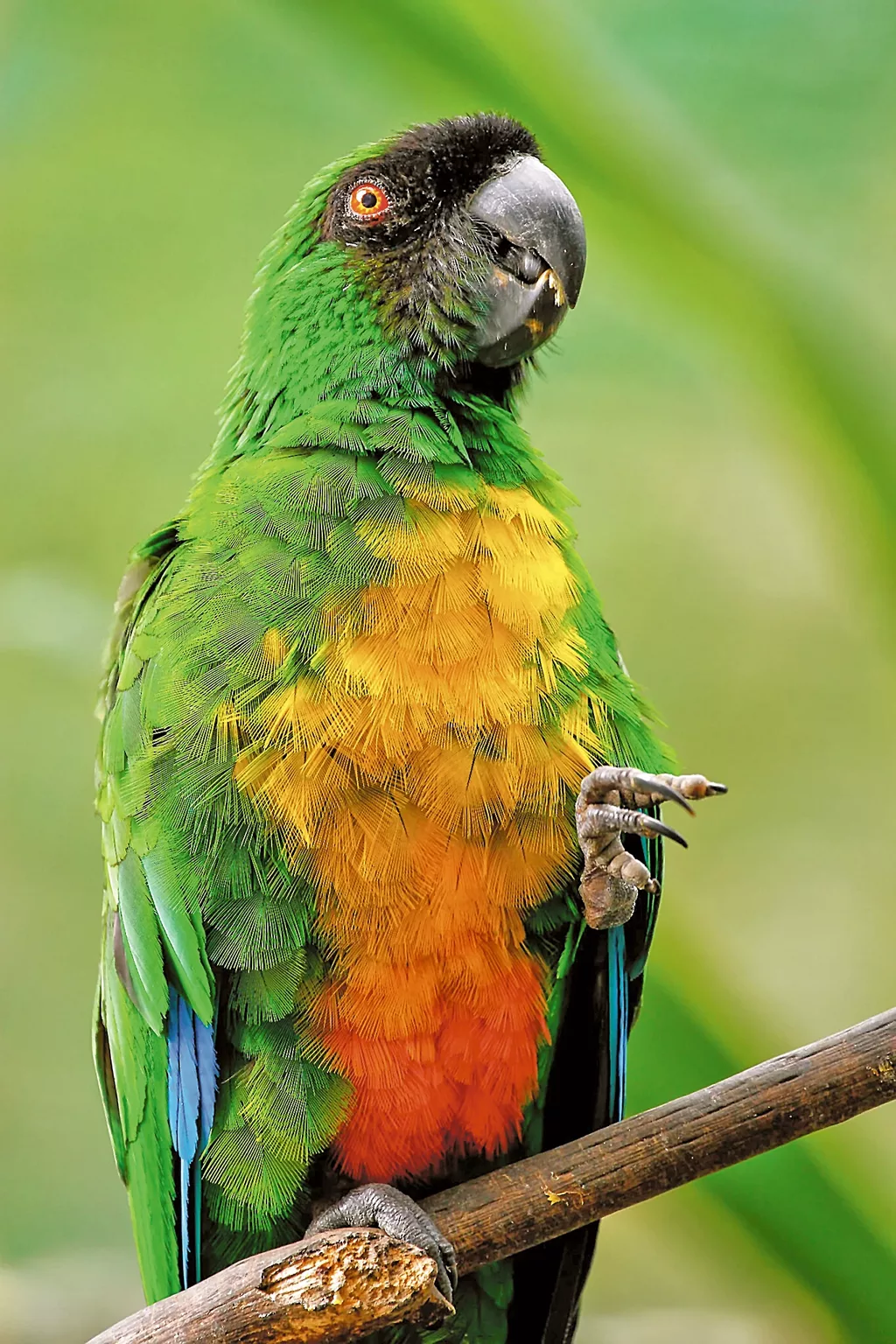
Right: Joske’s Thumb is home to many species of birds and one is the Masked Shining Parrot. Pictures: color-meaning.com