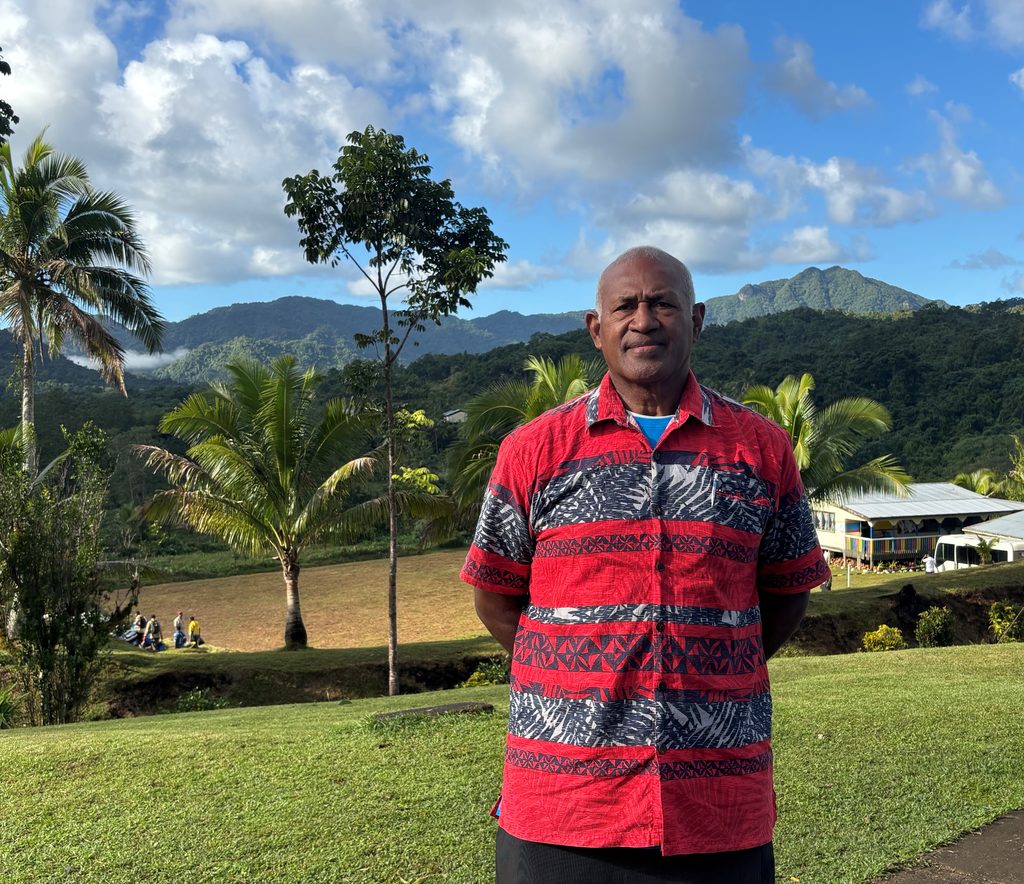
The decision to flee Fiji was not one Ratu Jone Raravisa ever imagined he would have to make.
As the 2006 military coup unfolded, the former police officer and bodyguard to then Prime Minister Laisenia Qarase found himself on the other side of the security line. The man once entrusted with protecting the country’s most powerful leader suddenly had to protect himself.
His security detail was disbanded, his life was at risk, and, within days, he was forced to leave the country, beginning a 16-year journey through the Solomon Islands and New Zealand before he could finally return home.
“I had to flee to the Solomon Islands because our lives were also in danger,” the 66-year-old said.
“I stayed there from 2006 to 2012. I tried returning, but the situation was still not good.”
Life on the frontline
The danger followed months of political uncertainty.
From 2000 until the 2006 coup, Ratu Jone served on the security detail of Prime Minister Laisenia Qarase after being transferred from the Police Mobile Unit, now known as the Police Special Response Unit.
As the political crisis intensified, he and other members of the security team assisted in moving Mr Qarase to Lau.
“When we helped Mr Qarase to abscond to Lau, the bodyguard security detail had to be disbanded,” he said.
The fallout forced him into exile.
Ratu Jone had spent 28 years preparing for dangerous situations.
He joined the Fiji Police Force in 1986 as a special constable after completing officer training and became a regular police officer in 1987. He was among the first 100 recruits to undergo officer training and clearly remembers beginning his policing career during the 1987 coup.
“I remember that very clearly because we were the first 100 to undergo training as officers,” he said.
His early postings took him to Central Police Station (Totogo) before he transferred to the Police Mobile Unit, where officers underwent specialist firearms training, room clearance, reconnaissance, high-profile escort duties and weapons recovery. They also completed capability-building exercises focusing on tactical policing and life-saving emergency medical techniques.
“The training was part military as well. We trained every morning, midday and afternoon,” he said.
“We didn’t spend a lot of time with our families because we were always out on operations. Sometimes we were away for six or seven months. We were always ready for what was to come, and it meant sacrificing a few things.”
During the 2000 coup, he was deployed to Monasavu to protect critical infrastructure after reports of resources being damaged. Upon returning to the Mobile Unit, he was assigned to the Prime Minister’s security detail.
Looking back, he still speaks warmly of Mr Qarase.
“Mr Qarase was a true gentleman. He was visionary and smart,” he said.
“He did things for the future. He did not discriminate, but he did have a special place in his heart for the indigenous people.”
He said the former Prime Minister’s Christian faith was reflected in his leadership.
“When he went on trips, he would always show that side of him. He was a very religious man. He always helped those who needed to be helped and spoke straight without mincing his words.”
Life in exile
Ratu Jone resigned from the Fiji Police Force while still in his late 40s and started life over in the Solomon Islands.
He worked as a security officer at the Australian-owned Gold Ridge gold mine from 2006 to 2011.
“There were three of us Fijians who started work there. Now many Fijians are working there,” he said.
Believing conditions had improved, he contacted then Police Commissioner Esala Teleni, a former Suva Rugby teammate, asking if he could briefly return to Fiji to visit his family.
“He agreed for me to come over,” Ratu Jone said.
But the homecoming lasted only days.
After arriving in Suva, his family travelled to Rakiraki instead of returning directly to the village because of safety concerns.
Four days later, a former colleague from the Mobile Unit warned him that people were looking for him again.
“He told me people (yavato) were looking for me again and that I had to leave soon,” he said.
“I left the following day for New Zealand.”
New Zealand became his home for the next decade.
There he worked as a security officer with Armourguard after obtaining the required security licence, drawing on the policing skills he had developed over nearly three decades.
Everything changed in 2022.
“When I heard Sitiveni Rabuka was elected Prime Minister, I knew it was safe to finally return home,” he said.
“I knew I was no longer in danger and that I could return safely without looking over my shoulder.”
A homecoming
He returned to Fiji in 2023, not to policing, but to a different kind of service.
Back in Naseuvou Village, he now serves as Turaga ni Mataqali on behalf of his elder brother, who holds the chiefly position but lives in Suva.
“It is never easy to take up a leadership role in the vanua,” he said.
“It comes with duties to the vanua, the village, the Government and the church. I’m trying hard to fill the shoes, but it’s tough doing it.”
After years of living overseas, he says village life has changed his perspective.
“People working in towns and cities often think work is life itself,” he said.
“But after experiencing what I went through, I realised nothing beats living in the village. It has everything we need to survive and live a healthy life.”
“In town, your time is controlled by work and other people. In the village, you work on your own time and still manage to survive. I also believe that with God guiding us, we can do anything.”
His faith has remained constant throughout every chapter of his life.
“I believe God protected me through it all,” he said.
“I’m happy that I could come back safely to my family and be able to contribute again to my village.”
Away from policing, Ratu Jone also represented the Fiji Police Force and Suva Rugby and was part of the Fiji squad in 1991. A committed Seventh-day Adventist, he chose not to play at the Rugby World Cup because matches were scheduled on the Sabbath.
“I didn’t play in the World Cup because of my faith,” he said.
Today, Ratu Jone and his wife, who is from Wainimakutu Village in Namosi, have four children and nine grandchildren.
After years spent protecting others, fleeing political upheaval and rebuilding his life abroad, he has finally returned to where he feels he belongs — serving his people and carrying forward the leadership traditions of Naseuvou Village.
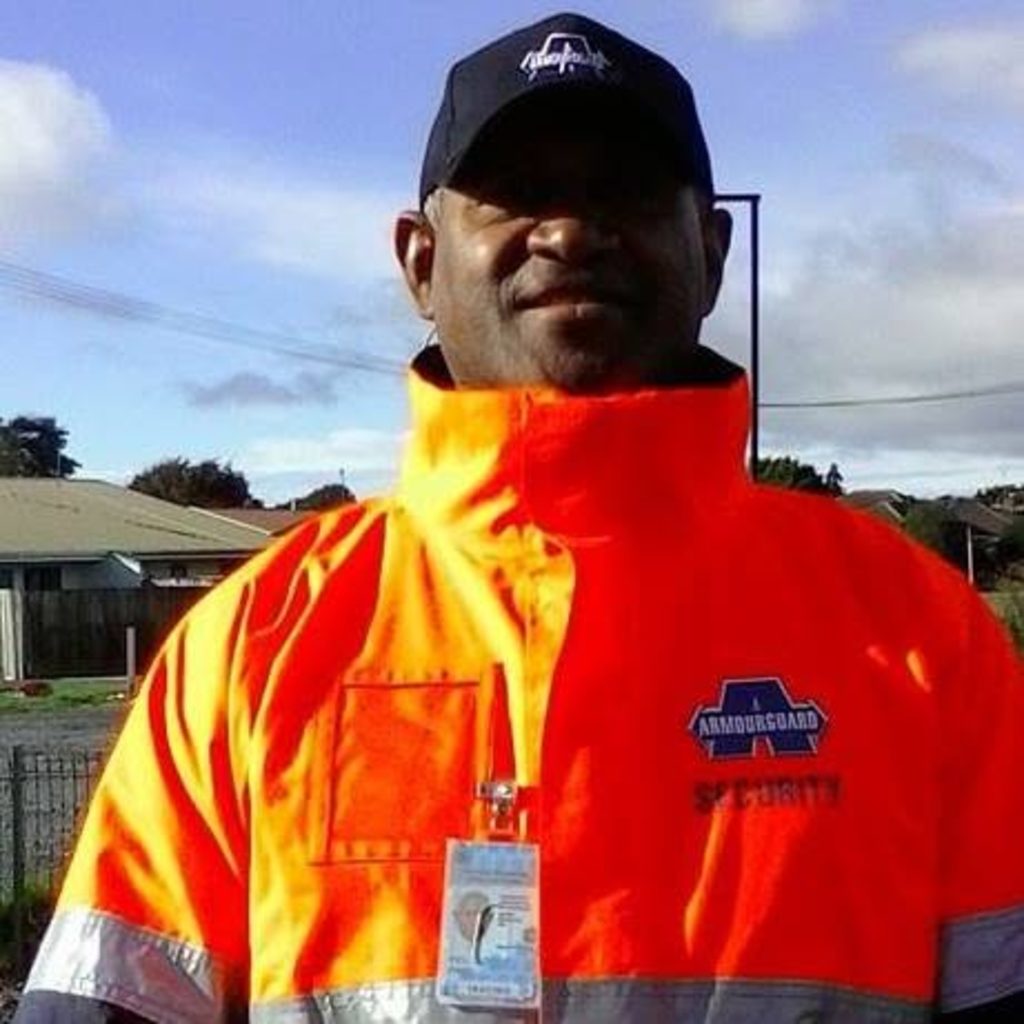
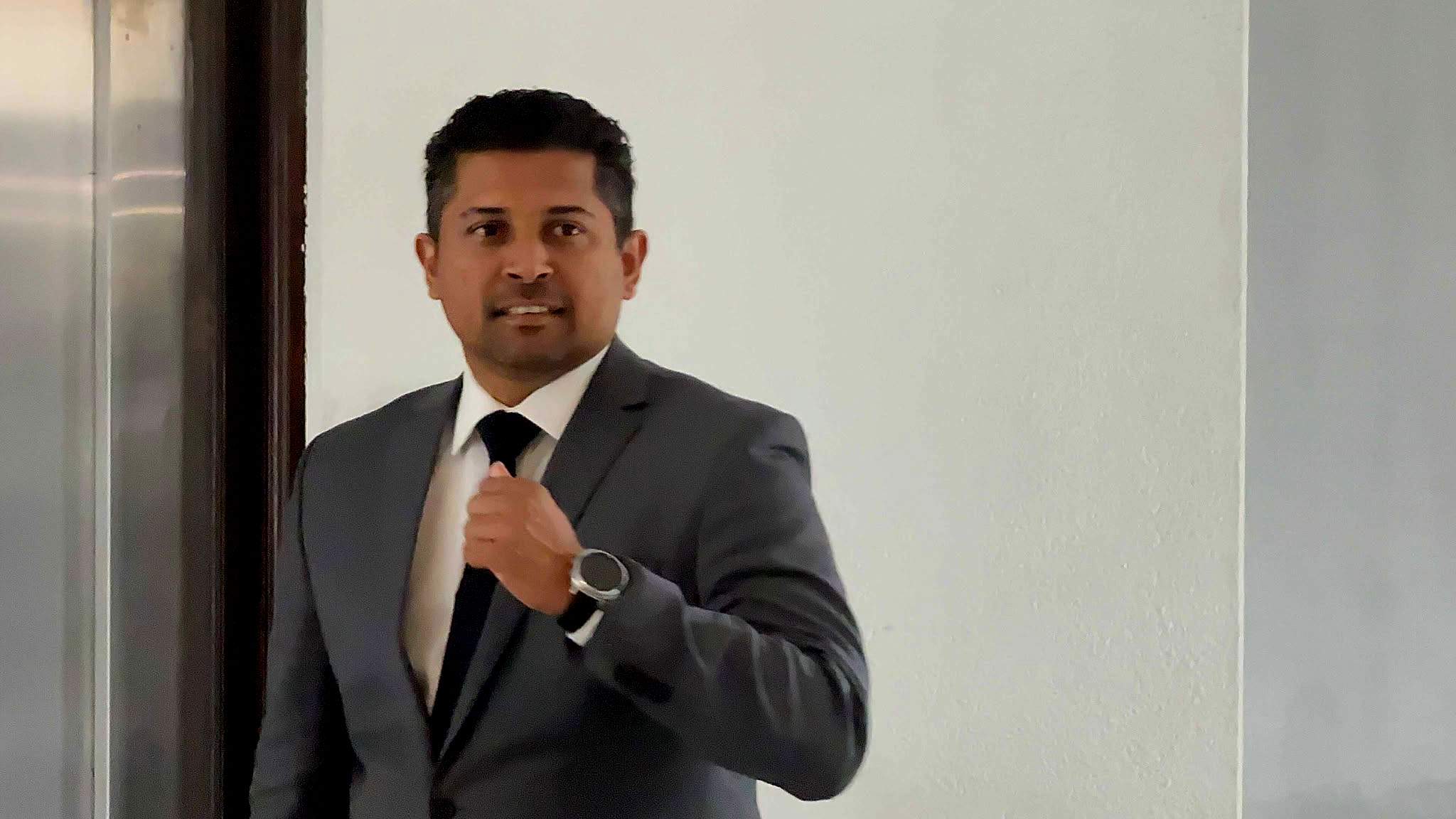
Ratu Jone worked for Armourguard in New Zealand. Picture: SUPPLIED
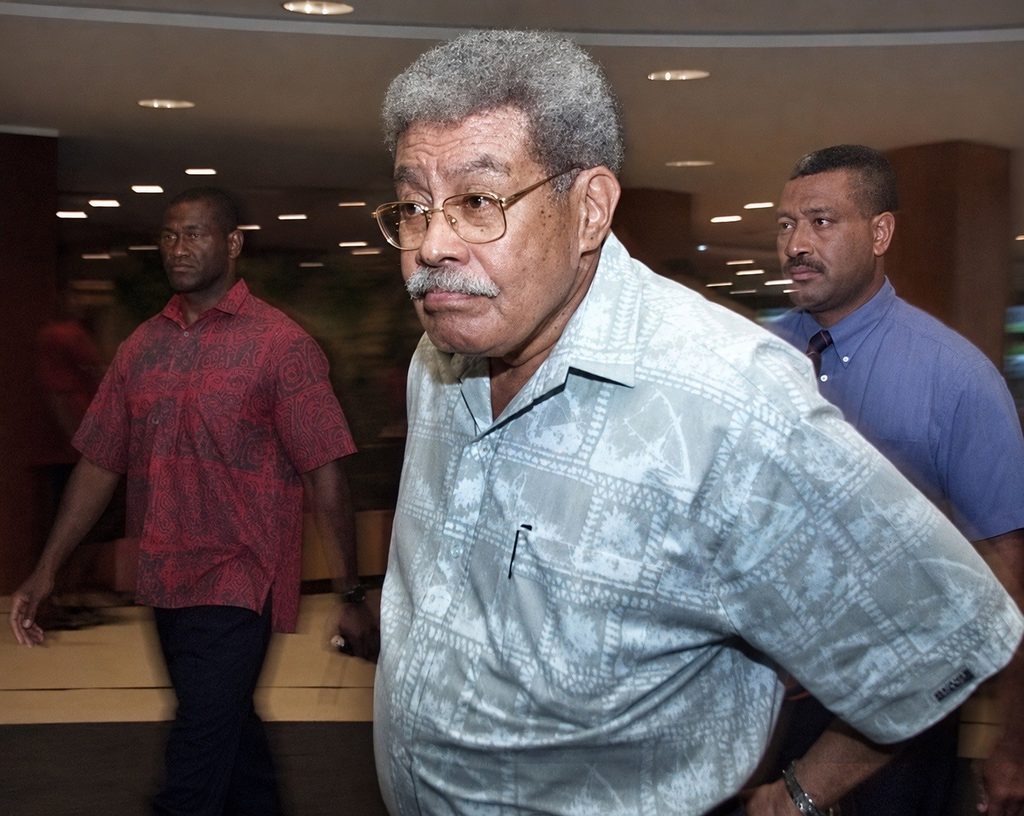
From 2000 until the 2006 coup, Ratu Jone served on the security detail of Prime Minister Laisenia Qarase after being transferred from the Police Mobile. Picture: BRIDGEMAN IMAGES
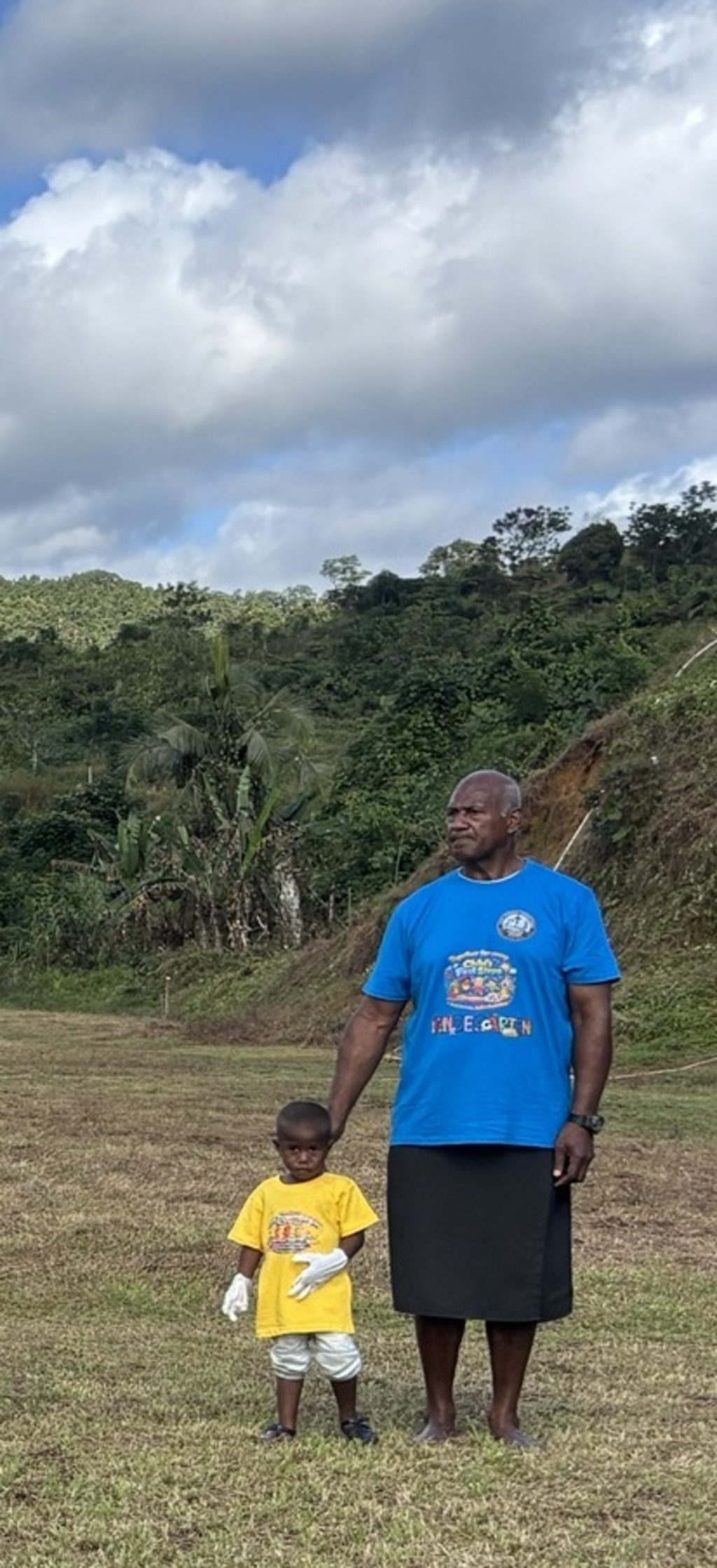
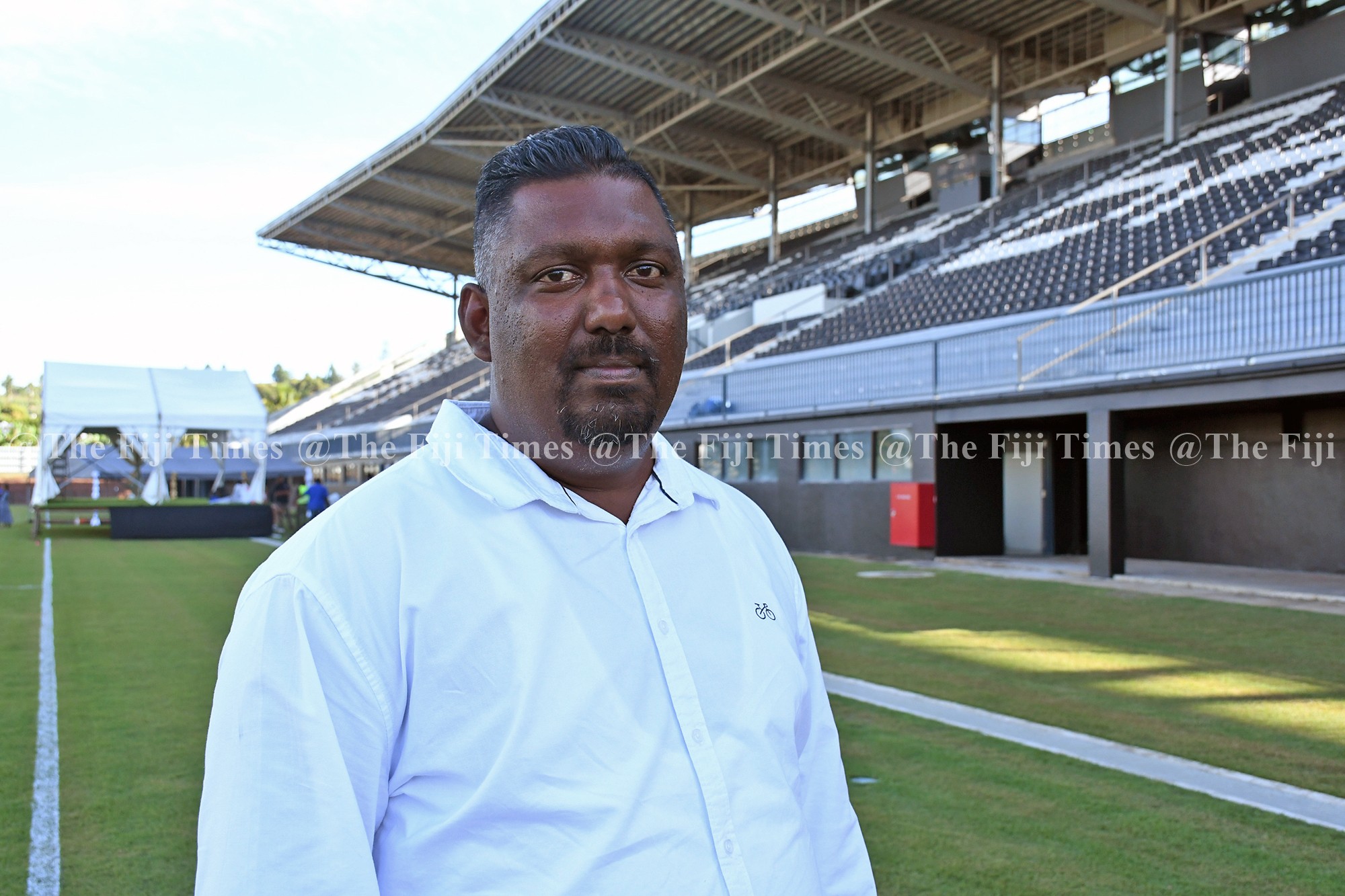
Ratu Jone has finally returned home, serving his people and carrying forward the leadership traditions of Naseuvou Village. Picture: ANA MADIGIBULI
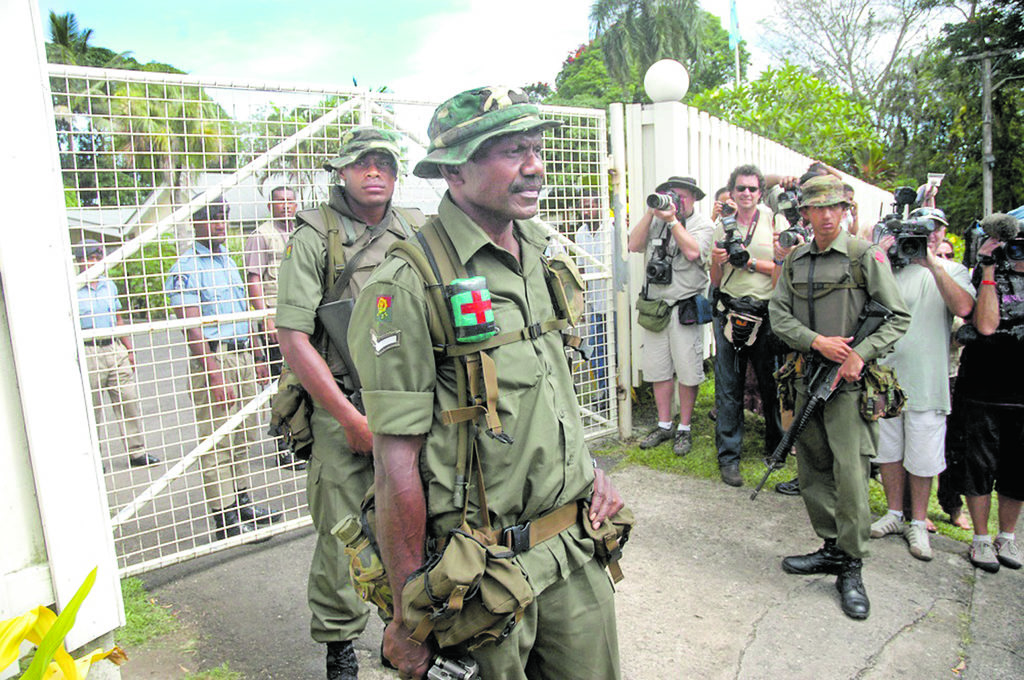
Soldiers stand guard at the Prime Minister Laisenia Qarase’s residence in 2006 during the coup. Picture: FT FILE