
Every year on March 8, the world pauses to celebrate International Women’s Day, a day dedicated not only to recognising the achievements of women, but also to reflecting on the work that remains to achieve true equality.
The theme for International Women’s Day 2026, “Give To Gain,” reminds us of a powerful truth: when we invest in women and girls, everyone benefits. Empowering women through education, leadership opportunities, and equal access to resources strengthens families, communities, and nations.
As a law student and an environmental professional, International Women’s Day holds special meaning for me.
It represents both the progress women have made in fields once dominated by men and the responsibility we carry to continue breaking barriers for those who will come after us.
In many parts of the world, women have historically been underrepresented in law, governance, and environmental decision-making. Yet these are precisely the spaces where women’s voices are essential.
Law shapes justice, policy shapes development, and environmental governance shapes the future of our planet. When women participate in these spaces, decisions become more inclusive, equitable, and sustainable.
Growing up and pursuing higher education, I have been fortunate to witness and experience the transformative power of opportunity. Education opens doors, not only for individuals, but for entire communities.
When women are educated and empowered, they become leaders, advocates, and changemakers.
As someone working in the environmental sector while studying law, I have come to understand how deeply connected gender equality is with sustainable development.
Around the world, women play a critical role in protecting natural resources, supporting families, and strengthening community resilience. Yet their voices are often underrepresented in environmental policy and decision-making processes.
This is why empowering women in fields such as environmental governance, climate policy, and law is so important. Women bring unique perspectives, lived experiences, and innovative solutions that help address complex global challenges such as climate change, biodiversity loss, and environmental justice.
In the Pacific, and particularly in countries such as Fiji, women are increasingly stepping into leadership roles in law, governance, and environmental protection. Their contributions are shaping policies, strengthening institutions, and helping communities navigate the challenges of climate change and sustainable development.
However, empowerment does not happen in isolation. It requires support from families, communities, institutions, and governments. The theme “Give To Gain” reminds us that progress is collective. When we give women opportunities, mentorship, recognition, and equal platforms, we gain stronger societies and a more just world.
International Women’s Day is also a moment of gratitude. It is an opportunity to recognise the women who have paved the way before us, mothers, teachers, leaders, and mentors who challenged barriers and expanded opportunities for future generations.
For young women pursuing careers in law, environmental protection, science, and leadership, representation matters. Seeing women succeed in these fields sends a powerful message: that ambition is valid, leadership is possible, and our voices deserve to be heard.
As we celebrate International Women’s Day this year, let us remember that equality is not achieved in a single day. It is built through everyday actions by supporting one another, creating opportunities, and challenging barriers that prevent women and girls from reaching their full potential.
When we give women the space to lead, innovate, and contribute, we all gain.
And perhaps that is the true meaning of this year’s theme: a reminder that empowering women is not just about fairness but also about building a better future for everyone.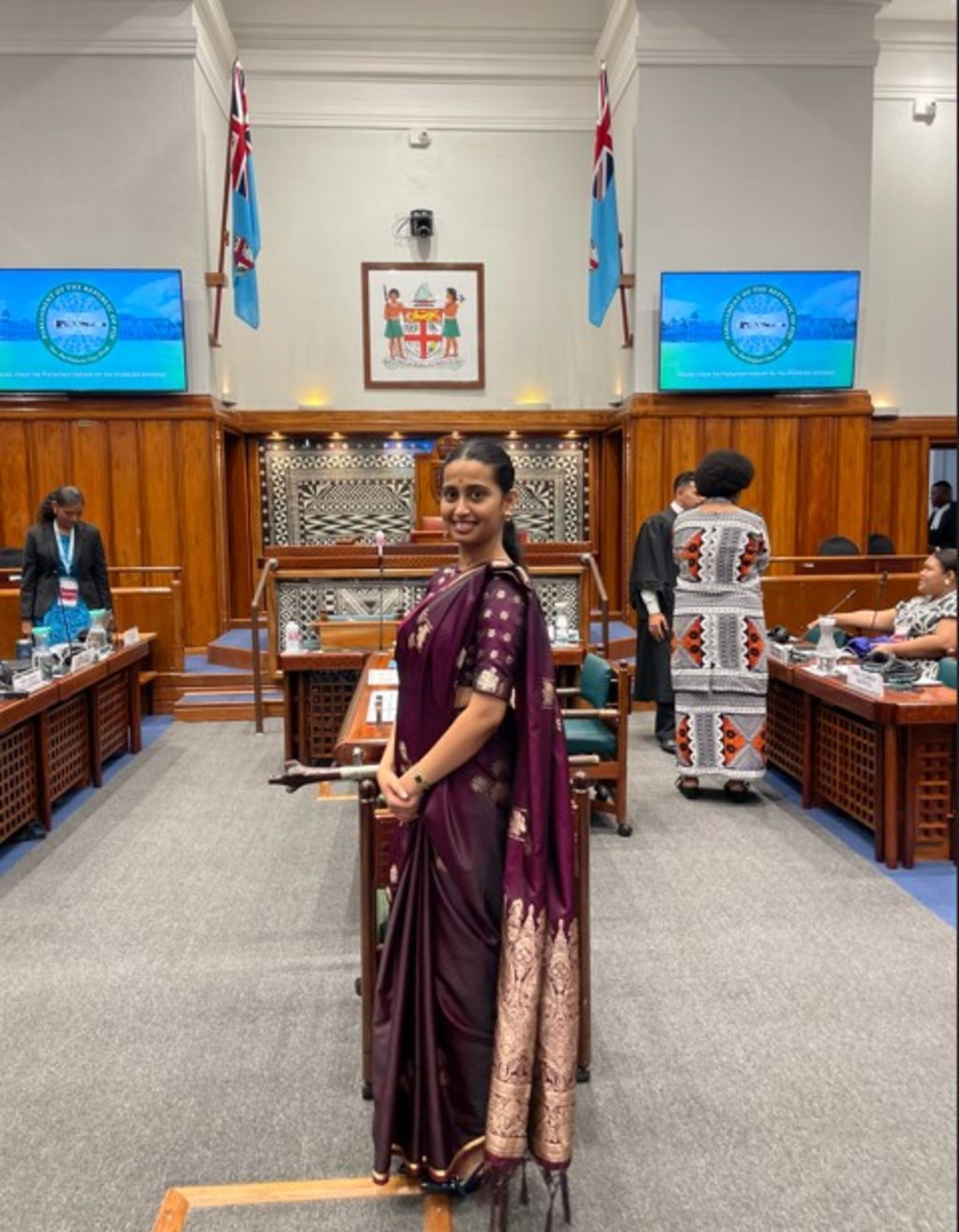
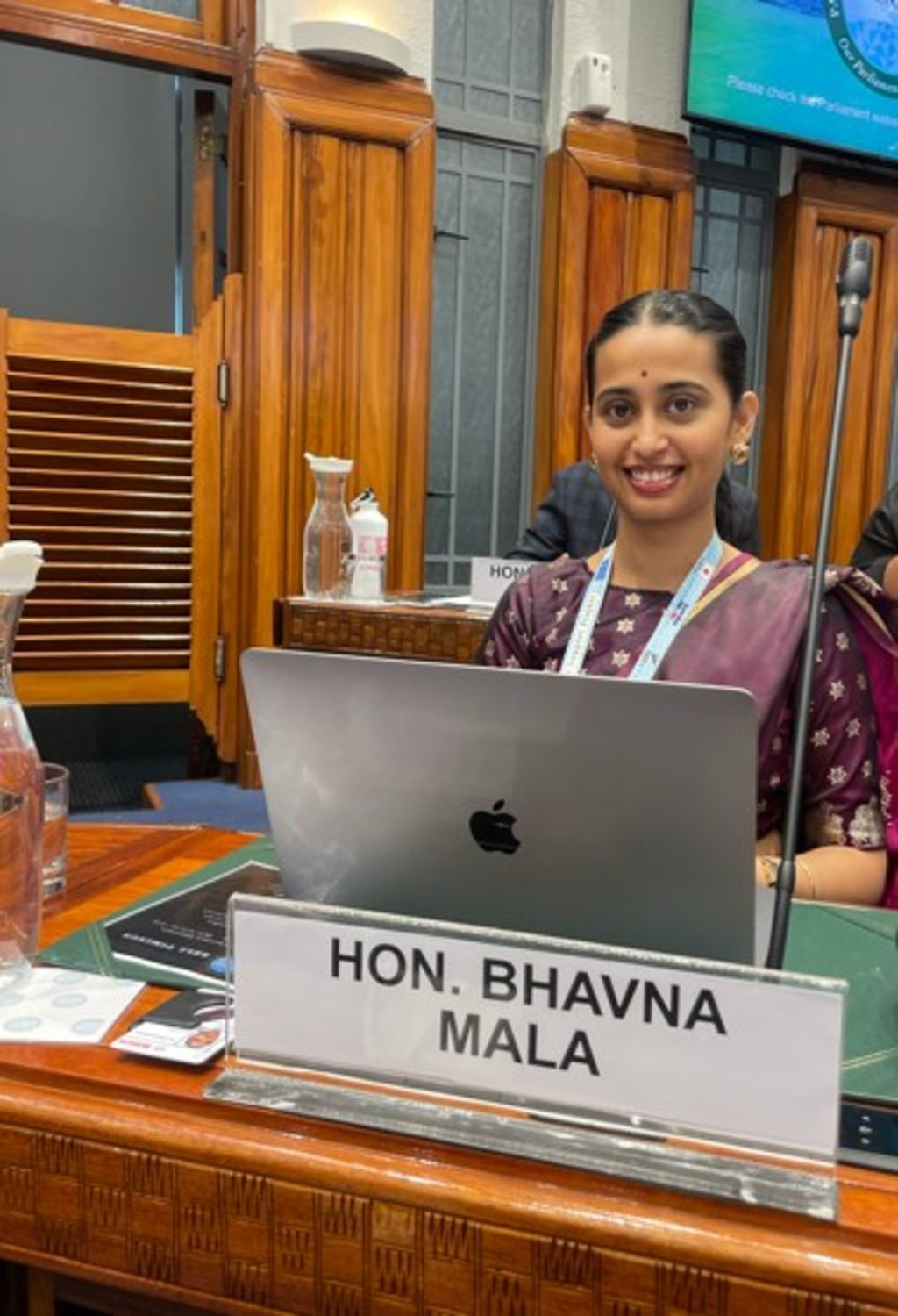
Bhavna Mala says When women are educated and empowered, they become leaders, advocates, and changemakers.
Picture: SUPPLIED

