
Fiji Airports – the sole authority responsible for managing and operating all 15 public airports and outer-island airstrips in the country – is continuing to engage with key stakeholders and is monitoring feedback from its stakeholders following Government’s announcement of an interim fuel surcharge that comes into effect today.
While discussions are ongoing and still early to provide a comprehensive assessment of stakeholder responses at this stage, the Government commercial company has implemented ongoing cost management and operational efficiency measures in response to rising energy and utility costs.
Electricity is a significant operational requirement for Fiji Airports given the 24-hour nature of airport operations, including runway lighting systems, terminal air conditioning, navigational aids, security systems, baggage handling systems, and other critical aviation infrastructure.
Fiji Airports chief executive officer Mesake Nawari said any increase in electricity tariffs would naturally have a direct impact on operational expenditure and overall cost structures.
He said while Fiji Airports continued to maintain prudent financial management practices, sustained increases in utility costs may place additional pressure on operating expenses and the cost of maintaining world-class airport infrastructure and services.
However, he added that they remained committed to operational efficiency, safety, and customer experience, and “will continue actively managing the financial implications of the surcharge while maintaining operational continuity and service standards”.
Mr Nawari said they had consistently pursued energy efficiency initiatives as part of its long-term sustainability strategy, and following the announcement by Fijian Competition and Consumer Commission (FCCC) chief executive officer Senikavika Jiuta and Minister for Finance, Commerce and Business Development Esrom Immanuel, discussions were underway to further strengthen those measures.
He said that included reviewing opportunities to optimise energy consumption across airport facilities, accelerating renewable and energy-efficient infrastructure initiatives where feasible, and identifying operational efficiencies that minimise any impact on service delivery and customer experience.
“At this stage, Fiji Airports remains focused on ensuring there is no disruption to operations, safety standards, or the quality of service provided to travelling passengers and airport users,” Mr Nawari told this newspaper in an e-mail interview.
He added the introduction of an interim surcharge subject to monthly review also created additional challenges for long-term operational forecasting and capital investment planning.
“As a major infrastructure organisation, Fiji Airports undertakes multi-year planning and capital investment programs that benefit from a stable and predictable operating environment.
“Changes in utility costs may influence operational forecasting and project planning timelines across the aviation sector.
“Nevertheless, Fiji Airports remains committed to its long-term vision of supporting Fiji’s position as a leading aviation and tourism hub for the Blue Pacific and will continue working closely with the Government and industry stakeholders to navigate these challenges responsibly and sustainably.”
From last week’s announcement, the Government will subsidise low-income households and small businesses, while larger commercial entities will have to absorb the increase.
Mr Nawari said Fiji Airports recognised the broader challenges being experienced across the commercial sector as organisations responded to rising operating costs.
“While increased utility costs place added pressure on large infrastructure operators, Fiji Airports remains committed to maintaining high operational standards, service reliability, and safety across all airport operations.
“The organisation will continue to focus on prudent cost management and operational efficiencies to minimise impacts on airport users and the travelling public.”
For now, Fiji Airports has implemented ongoing cost management and operational efficiency measures in response to the rising energy and utility costs, which include tighter controls on electricity consumption, transportation and fleet usage, travel management, and broader organisation-wide cost control initiatives.
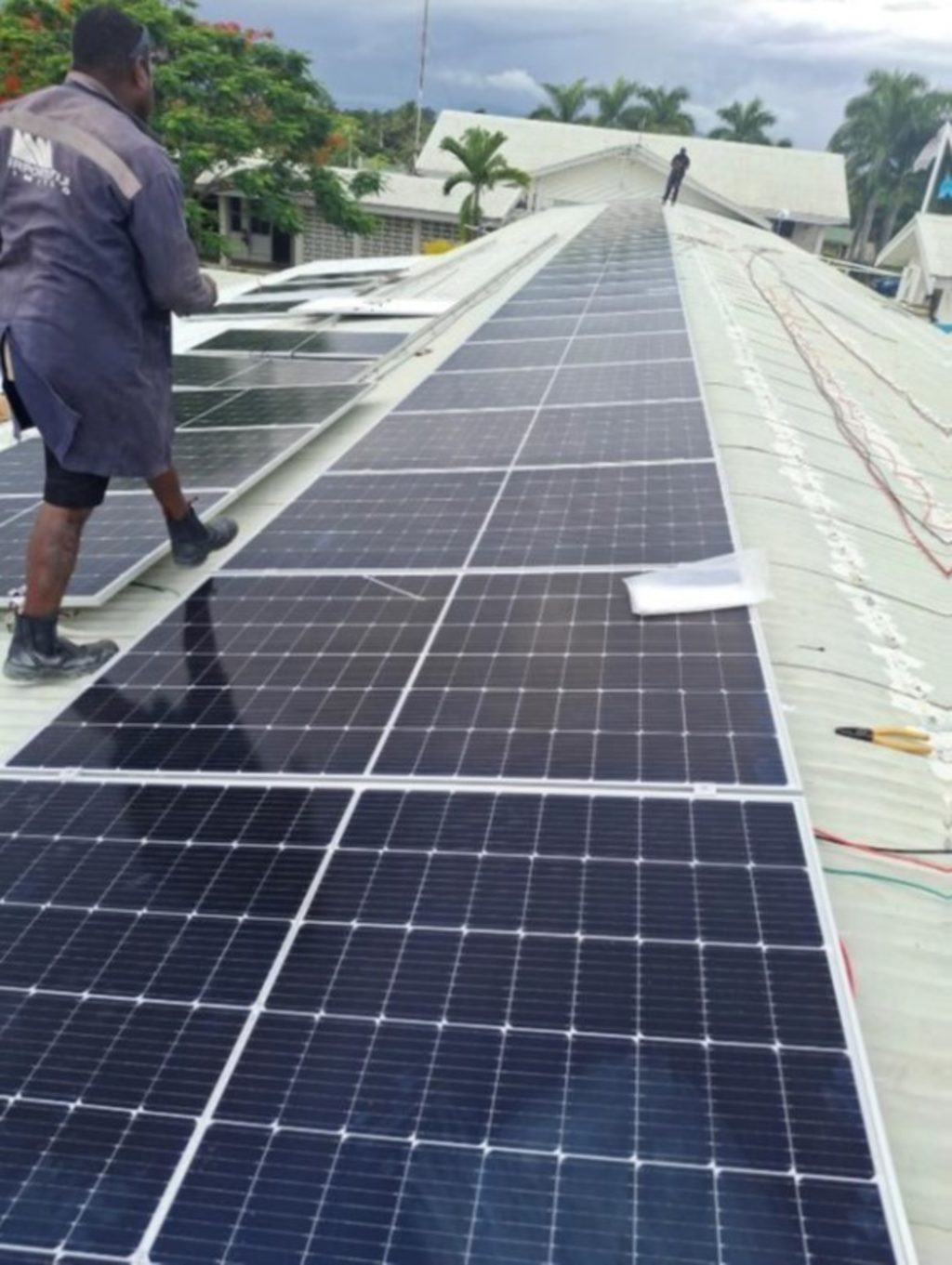
Also, it is progressing a medium-term energy security strategy aimed at reducing reliance on fossil fuels and improving long-term sustainability, which includes the development of a 3.25MW solar farm at Nadi International Airport by 2029, the rollout of solar panel systems at other airports, and the continued expansion of Fiji’s largest electric vehicle fleet, including specialised airside equipment such as the recently introduced ambulift.
“As the gateway to Fiji and the wider Pacific region, Fiji Airports plays a critical role in enabling tourism, trade, connectivity and economic activity.
“While external cost pressures continue to affect businesses globally, Fiji Airports remains focused on maintaining operational excellence, investing in critical infrastructure and ensuring the continued delivery of safe and reliable airport services for all users.”
Last Thursday, the FCCC announced it had approved a 22.5 per cent increase in bus fares and a 5.91 cents per kilowatt hour interim fuel surcharge for Energy Fiji Ltd (EFL).
The Government will absorb an estimated $4 million a year in electricity costs for more than 50,000 low-income households with households earnings below $30,000.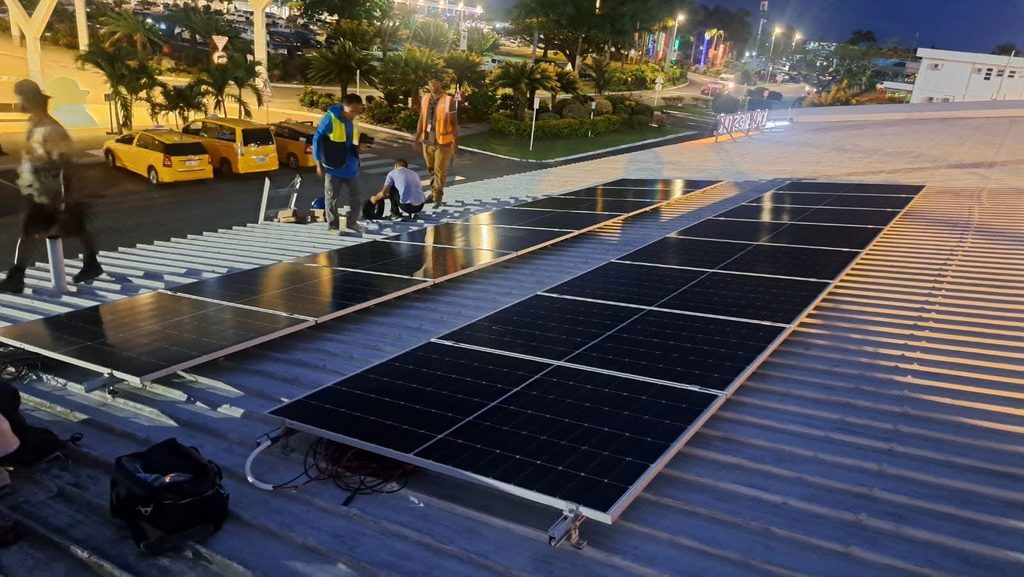
Fiji Airports had begun installing solar-powered supply and lighting systems at the Nadi International Airport and four of the main domestic airports that its manages from last year. Picture: SUPPLIED

