EXPLORING the realities of the farmers traversing Fiji’s Western cane belt reveals a sector at a critical crossroad. In this two part series made possible through the BBC Media Action program, we talked sugar cane farmers about their never ending struggles.
Nadi stood out as an exception; despite extensive driving, sugarcane fields have largely vanished there, replaced entirely by vegetable farms. Along the corridor from Ba to Rakiraki, the vast stretches of vacant land lie fallow, while other farms have transitioned out of sugar completely.
A fierce debate has emerged between growers, the Government, the National Farmers Union (NFU), and the Sugar Cane Growers Council (SCGC). At the heart of the dispute is the current $85 guaranteed price. Farmers are demanding an increase to $110 per tonne to cope with soaring inflation, but Agriculture and Waterways Minister Tomasi Tunabuna is unmoved.
Growers have been open about their deep dissatisfaction with the current $5million government subsidy framework, arguing that the $5 per tonne assistance for mechanical harvester users and $3 per tonne for manual harvesters fail to offset real-world operational costs. High lorry carting rates have also prompted urgent calls from growers to restore historic tramline services to alleviate transport burdens.
Amid these tensions, the Special Committee on Sugar Industry convened at the Parliament Complex to address the short and long-term status of the sector. The committee emphasised that restoring farmer confidence is an immediate priority and underscored the need for clearer communication regarding existing state support.
In a formal letter to the Prime Minister, NFU general secretary Mahendra Chaudhry assured the public that farmers were not on strike, a statement validated by ongoing crushing operations in the Western and Northern divisions. To stimulate immediate activity, the Government announced it will increase the manual harvesting subsidy from $3 to $5 per tonne. Additionally, addressing fears of potential backlash and crop sabotage, the Committee has coordinated with the Ministry of Policing to establish frequent police patrols across the cane belt.
The Special Committee will conduct site visits in the Western Division to meet with farmers, millers, and stakeholders from July 8-9 seeking direct feedback on making the industry sustainable.
THE REALITY ON THE GROUND
At 73 years old, Gangaiya has spent nearly six decades farming the fields of Dreketi, Lautoka. Standing in the bare fields surrounding his simple wooden shack, his lined face reflects an industry in severe decay.
“Eighteen years ago, our sectors were harvesting 3000 tonnes of cane,” he said.
“Now, even when all the local farmers combine their efforts, we cannot reach 500 tonnes. The younger generation wants to work in town; they do not see a future here.”
He attributes this decline to infrastructural failures, high land rents, and a persistent lack of support. Despite receiving two government grants, Gangaiya spends more than $600 annually just to repair fences destroyed by stray cattle from neighbouring areas.
Systemic issues compound these daily frustrations. Frequent breakdowns at the Lautoka mill and a crumbling drainage network frequently turn fields into swamps during the rainy season, rendering heavy mechanical harvesters useless. Another Dreketi farmer, speaking on the condition of anonymity, confirmed that six neighbouring farms now sit entirely empty, noting he lost 60 per cent of his harvest this year to roaming livestock.
“We want the sugar industry to grow but the ministry shouldn’t think of the big farmers only. The small farmers are there as well.”
In response to infrastructure concerns, Fiji Sugar Corporation (FSC) board chair Nitya Reddy said while mill efficiency remained a core corporate priority, assessing the direct impact of land lease costs on growers remained outside the FSC’s direct control.
Nearby in Drasa, farmer Abdul Shahim balances sugarcane farming with driving a taxi to supplement his livelihood. Producing between 200 to 270 tonnes of cane annually, Shahim echoes the sentiment of a generational shift. “These days, younger people do not want to do sugarcane farming,” Shahim says.
“The assistance being provided by the Ministry of Sugar and the Government is simply not enough. We also face severe issues with floods destroying our crops, meaning we urgently need assistance for proper irrigation measures on our farms.”
In Yalalevu, Ba, large-scale farmer Arvind Singh points to charred cane stalks standing in stagnant water as a symbol of institutional failure. He identifies crumbling mill infrastructure as the primary driver behind the industry’s decline.
The breakdown of the Rarawai mill created a severe bottleneck, forcing farmers across Ba, Tavua, and Rakiraki to divert their harvest to a single operating mill. These disruptions were further compounded by rolling delays in the crushing schedules across the Lautoka, Rarawai, and Labasa mills.
“The farmers are required to harvest burnt cane within seven days, but they cannot do so when only one mill is operating,” he said.
“They cannot secure their delivery quotas. It took some farmers 10 to 15 days to move their crops, which affected everything.”
Despite the delays stemming from mill mechanical failures, the FSC applied burnt cane penalties to the growers’ final payments. Singh labels this policy as a glaring injustice.
“The FSC should refund these deductions because the delays were caused by the corporation’s own mechanical breakdowns. All stakeholders must sit down together to fix this. Whether we need to build a single mega-mill or re-evaluate the entire sector, action is needed now otherwise, the sugar industry will collapse.”
Atish Kumar, a Ba-based farmer and president of the Lautoka, Tavua, Rakiraki, and Ba Lorry Drivers Association, paints an equally grim statistical picture. Following the previous season, an estimated 80,000 tonnes of sugar cane went unharvested, representing an $8million collective loss for growers. The Sugar Cane Growers Council cited labour shortages, a fire at the Rarawai mill, and excessive rainfall as the primary causes.
“These days, there are perhaps 10,000 farmers remaining; previously, there were 22,000,” he said.
“People are leaving because leases are expiring and securing laboir is incredibly difficult. Many workers are transitioning to the PALM (Pacific Australia Labour Mobility) scheme.”
Mr Kumar said that a farm labourer earning $5 an hour cannot realistically sustain a family or build a home under current economic pressures. Meanwhile, infrastructure challenges continue to mount.
“I do not know if anyone has properly surveyed this land, despite the numerous complaints I have lodged. Broken access roads and blocked drains are destroying our lorries and flooding our fields. It is solely through our sweat and hard work that this industry still stands.”
In Yasiyasi, Tavua, grower Umesh Prasad manages a 13.5-acre property, dedicating 10 acres exclusively to cane. While he aims for a 300-tonne yield, environmental damage frequently cuts his output down to roughly 200 tonnes.
“We are facing a multitude of problems, we report these issues repeatedly, but no corrective action is taken. Last year was incredibly stressful due to quota restrictions and mill breakdowns. Most farmers wanted to harvest quickly so they could clear the land to replant, but the infrastructure failed us.”
In Yaladro, Tavua, Amrit Singh operates a 20-acre farm split between vegetables and sugar cane.
“From last year until now, successive floods have severely impacted our total tonnage,” he said. “During the last season, we faced multiple compounding crises. The mill closed down temporarily due to a fire, which ultimately left more than 500 tonnes of cane unharvested within my sector cooperative.”
Yaladro Farmers’ Cooperative chair Rajendra Raghlu oversees a 23-acre property featuring 10 acres of cane alongside dedicated livestock grazing land. Raghlu provides a historical perspective on how transport dynamics have shifted over the decades.
“Initially, we relied on manual harvesting and a portable line gang,” he said.
“The cane was harvested, loaded onto rail tracks, transferred to the main tramline, and hauled by locomotives to the mill. Over time, our gang was split, moving first to tractor-trailers and eventually to lorries, despite the main railway line running directly across our fields in the Yaladro flat.”
Faced with mounting options, the cooperative transitioned to mechanical harvesting, purchasing a harvester in 2017. However, geography introduces distinct complications.
“We are located in a highly flood-prone area, and 100 per cent of our farms are affected when the Nasibi River rises. We experienced three distinct floods in less than a month. Sugar cane is a robust crop that can withstand some water damage, but it makes machine harvesting exceptionally difficult. When fields are waterlogged, farmers must clear the flood debris manually and harvest what they can by hand.”
Mr Raghlu adds that because of late-season wet weather, machines and lorries simply could not enter the fields, forcing many growers to leave their crops standing green. While the cooperative harvested 8401 tonnes last year, they project a sharp drop this season because of soil compaction and field damage caused by heavy machinery operating in wet conditions.
“Many farmers are calling for absolute transparency from the FSC. The official data being published does not accurately reflect the harsh realities we are enduring on the ground.”
In Part 2, we look at more stories from struggling cane growers, their representative the Sugar Cane Growers Council and the Fiji Sugar Corporation.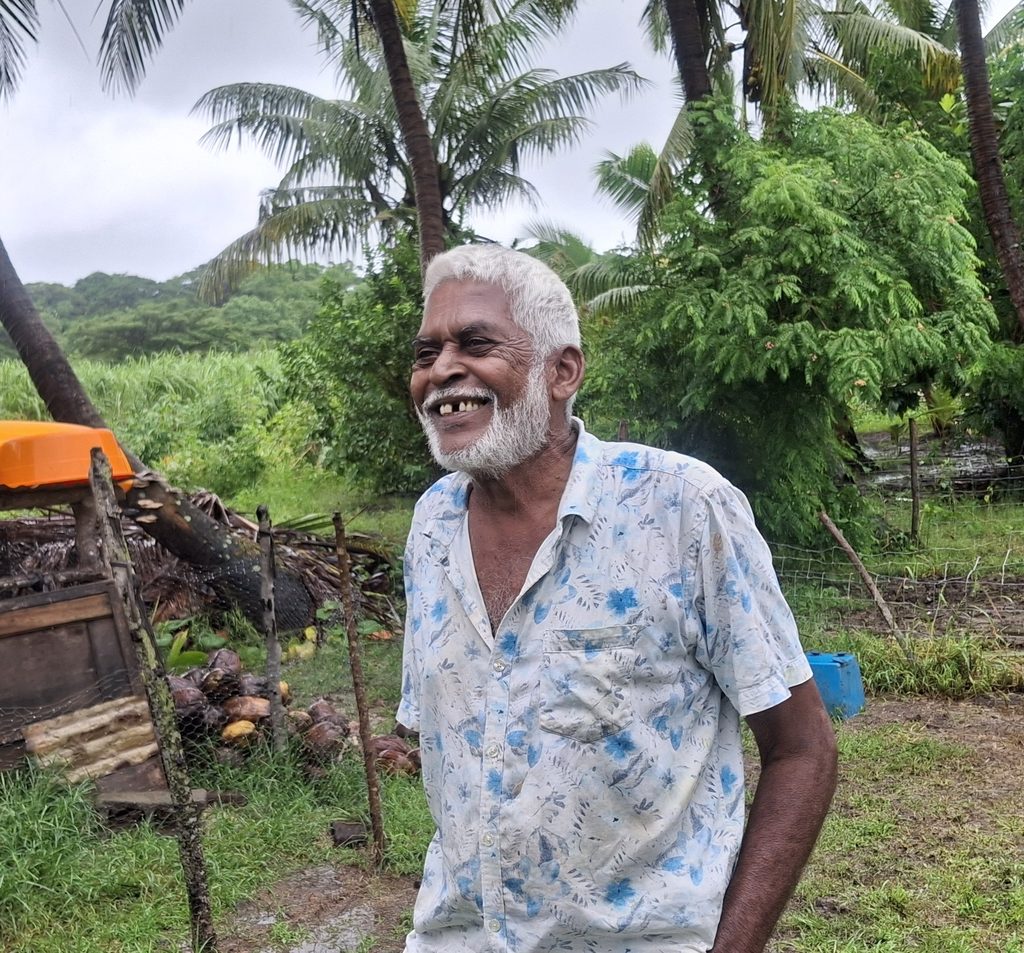
Dreketi, Saweni farmer Gangaiya.

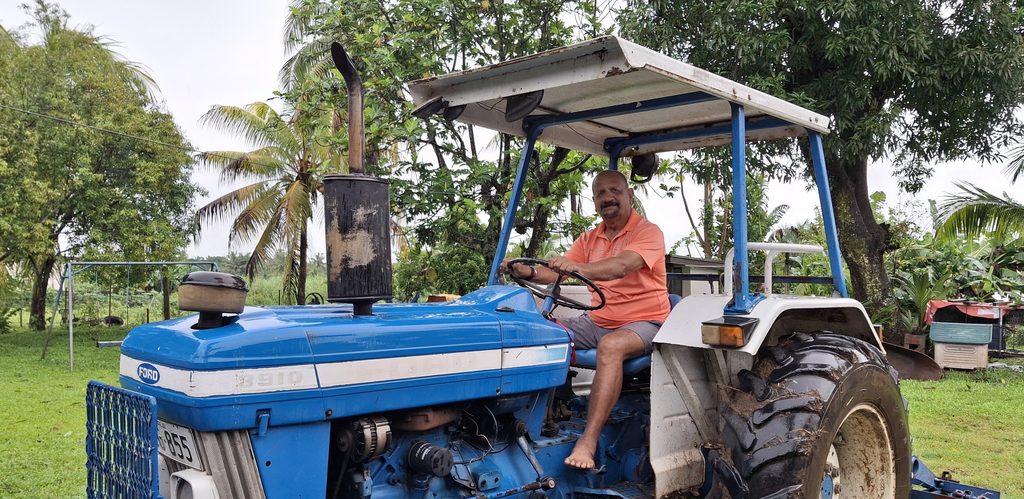
Ellington Rakiraki farmer Mahend Chand.Picture:SALOTE QALUBAU
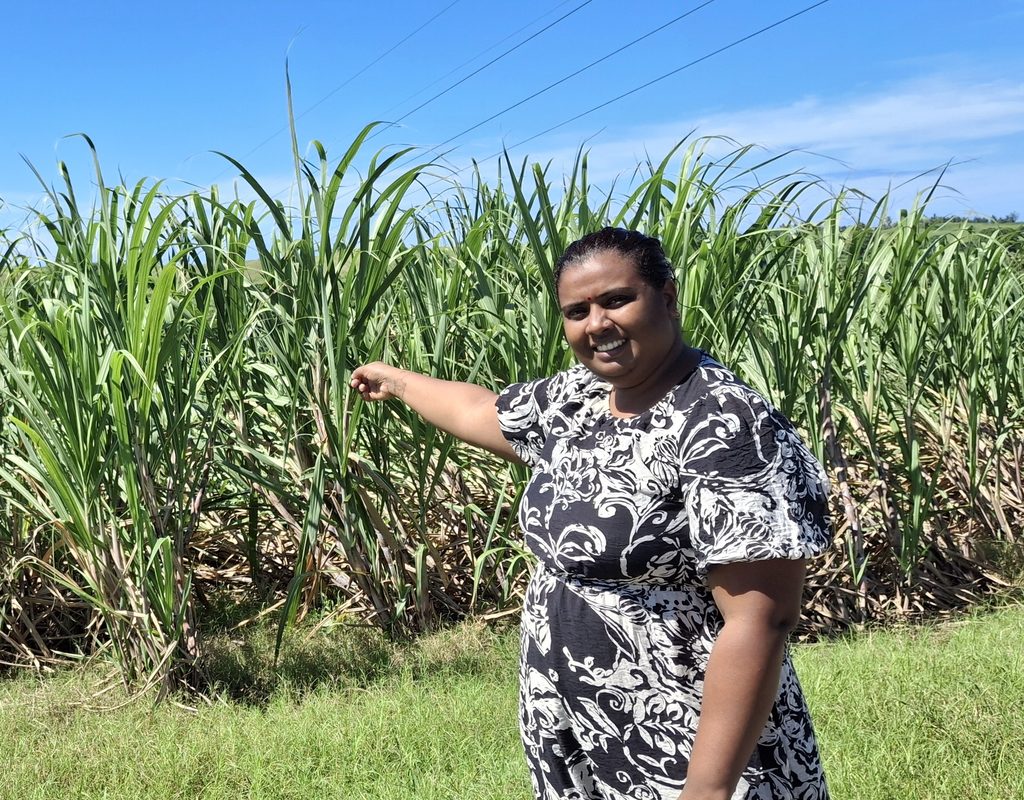
Lomawai, Sigatoka farmer Reshma Mani points at her farm. Picture:SALOTE QALUBAU.
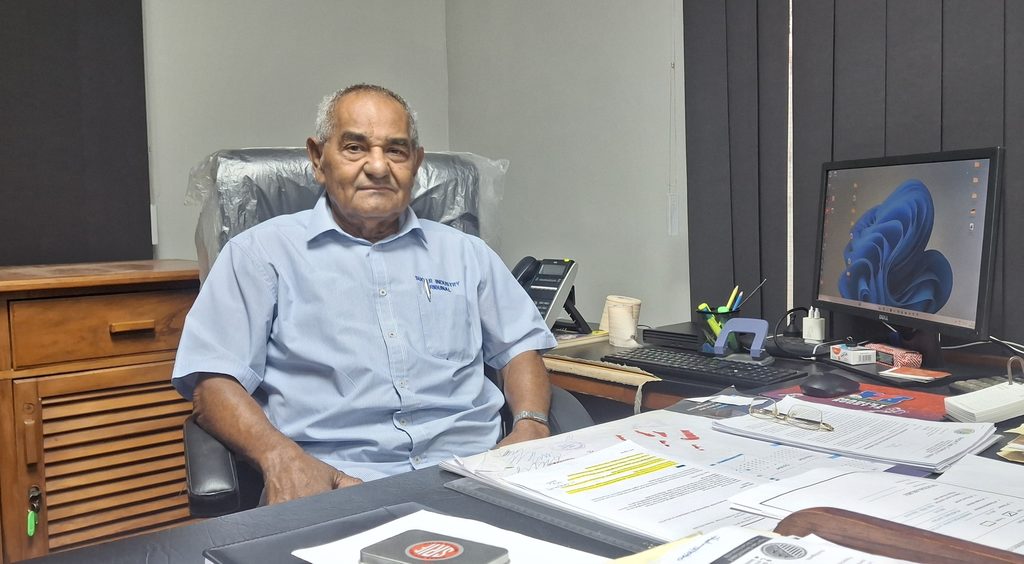
Sugar Industry Tribunal Registrar Timothy Brown.Picture:SALOTE QALUBAU
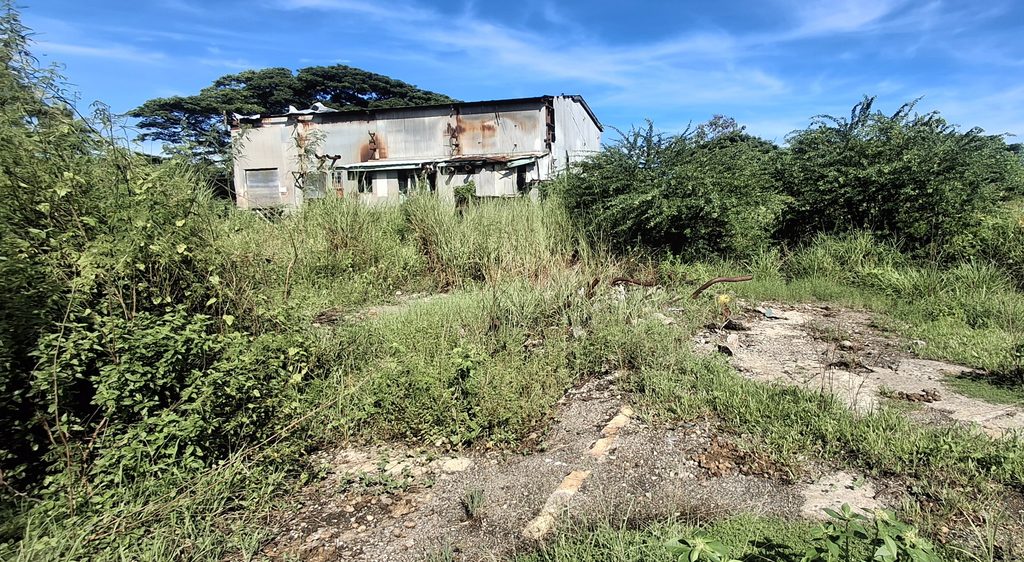
The area where the Penang sugar mill once stood.Picture:SALOTE QALUBAU
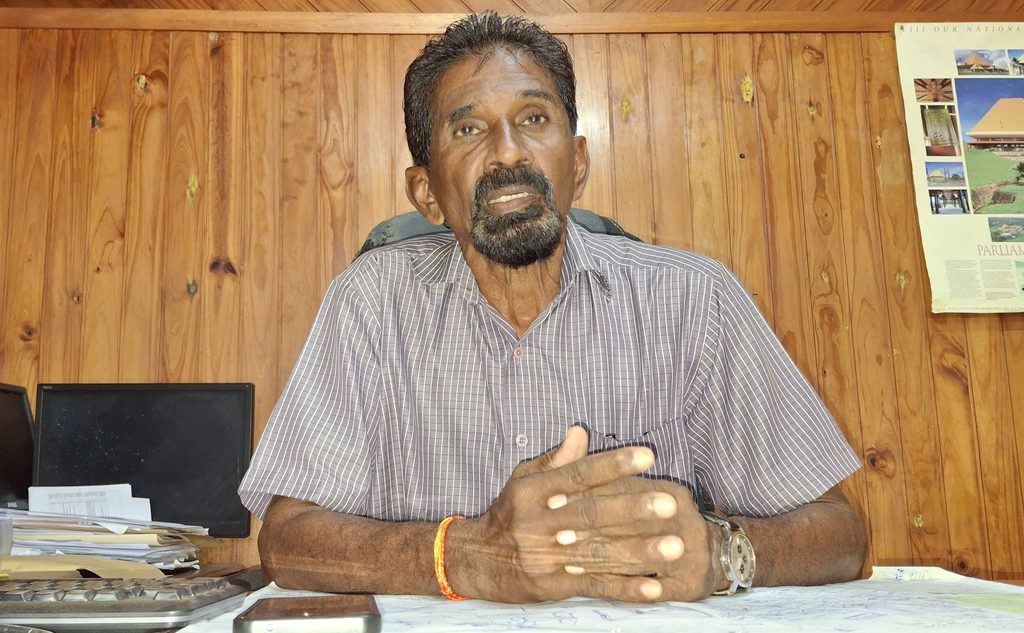
Yaladro Farmers’ Cooperative chair Rajendra Raghlu.

Yaladro Tavua farmer Amrit Singh.Picture:SALOTE QALUBAU