
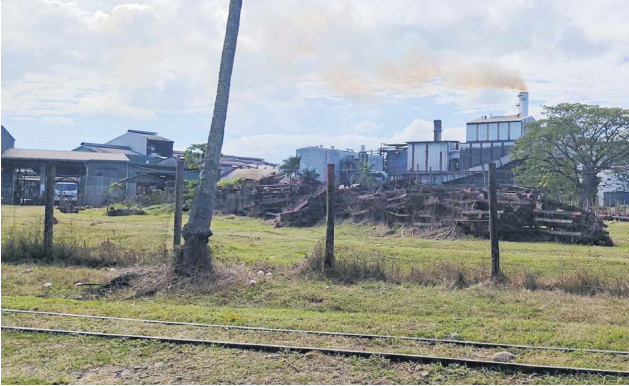
AS the 2026 sugar crushing season in Labasa begins, the concerns over rising harvesting and transport costs continue to weigh heavily on cane farmers in the North, with some growers in Seaqaqa yet to harvest their crop.
The start of the season has brought renewed hope for increased production at the Labasa Mill, which has set a target of crushing 605,000 tonnes of cane.
However, for some farmers, the challenge is not only producing cane but ensuring that harvesting and transporting the crop to the mill remains financially viable.
There are calls for the special committee on the sugar industry, headed by Prime Minister Sitiveni Rabuka, to visit the Northern Division and engage with farmers as discussions continue on the future direction of the industry.
For growers in areas such as Seaqaqa, distance from the Labasa Mill and increasing fuel-related expenses have become major concerns.
Nasarawaqa cane farmer Imtiyaz Hussein said farmers in Seaqaqa and surrounding areas faced some of the highest transport costs because of the long distance to the mill and increasing fuel prices.
“Our request is that the cartage allowance be reviewed,” he said.
Mr Hussein said while farmers would receive a delivery allowance of $47 per tonne and an additional $5 per tonne harvesting allowance this season, many growers remained uncertain about how the assistance would be applied.
“There is already an allowance system, but it should be calculated on a per-kilometre basis because cartage contractors charge according to distance.”
He said farmers located further away from the mill faced greater financial pressure compared with growers closer to Labasa.
For farmers in remote areas, transport costs can significantly reduce the final returns received from their cane.
Mr Hussein said harvesting costs ranged between $25 and $27 per tonne, while farmers further from the mill could face cartage costs of more than $30 per tonne.
“Last year our cartage cost was $30 per tonne.”
He said his farm in Nasarawaqa, beyond Seaqaqa, was approximately 90 kilometres from the Labasa Mill.
“This year, with fuel prices increasing, cartage could easily rise by another $2 per tonne, pushing the total cost to more than $60 per tonne.”
“If that happens, we will definitely be operating at a loss.”
Mr Hussein said farmers had already experienced financial difficulties in the previous season after expecting a cane price of more than $100 per tonne but receiving $85 per tonne.
“This year, with the cane price remaining at $85 per tonne and cartage and harvesting costs exceeding $60 per tonne for farms further away, we will definitely be operating at a loss.”
Despite the challenges, he said farmers would continue harvesting because they had already invested heavily in their farms and needed to meet their financial commitments.
The concerns from growers come as the Labasa Mill begins another important crushing season with expectations of improved production.
Labasa Mill general manager Navin Charan said cane production had shown steady improvement over the past three years.
The mill crushed just over 583,000 tonnes of cane last year compared with around 555,000 tonnes the previous year.
“This reflects a gradual improvement year on year,” Mr Charan said.
He said the mill was aiming to crush at least 605,000 tonnes this season, with hopes of exceeding the target if weather conditions and cane supply remained favourable.
“If we can go beyond that, it will be very good for the industry.”
Mr Charan said the sugar industry continued to play a vital role in supporting the Northern economy, with thousands of families depending on cane farming and mill operations for their livelihoods.
Sugar, he said, remained the backbone of economic activity across Vanua Levu.
However, he acknowledged that the industry continued to face challenges, including weather disruptions, logistics constraints and operational pressures during the crushing period.
He said maintaining a consistent supply of cane was critical for the mill to operate efficiently.
“When the factory stops due to low cane supply, we cannot achieve the desired results,” he said.
Mr Charan said the mill needed to crush more than 30,000 tonnes of cane per week and more than 5500 tonnes per day to complete the crushing season within 21 weeks.
“We need to beat the rainy season so that the factory can achieve efficiency and sugar recovery targets.”
He said sugar milling was different from other production systems because interruptions could affect overall performance.
“Unlike other production systems, a sugar mill cannot simply be switched on and off without consequences to output and quality.”
“There is no magic formula, no chemical that can deliver efficiency results. A sugar mill is different. It must operate at the right capacity to achieve the best results.”
Mr Charan said quality sugar production depended heavily on the availability of quality cane from farmers and timely harvesting across the cane-growing areas.
He called for continued cooperation between farmers, transport operators and mill workers to ensure smooth operations throughout the season.
However, uncertainty over assistance packages has also affected some farmers preparing for harvesting.
Mr Hussein said confusion over delivery and harvesting allowances had delayed cane supply from parts of Seaqaqa.
“There has been a lot of miscommunication,” he said.
He said farmers were initially informed that a delivery allowance of $42 per tonne would be provided before it was later revised to $47 per tonne.
Mr Hussein said farmers were also informed about a proposed $2-per-litre diesel allowance before later being advised it would instead become a $5-per-tonne harvesting allowance.
“The communication from the stakeholders has not been clear enough.”
“Those making decisions need to ensure accurate information reaches the farmers because it is very easy for misunderstandings to occur.”
He said uncertainty had affected cane deliveries from Seaqaqa.
“There is still a lot of concern in Seaqaqa. As you can see, there is very little cane from Seaqaqa arriving at the mill because many farmers are still unsure whether they will recover their costs.”
He said clarification on the assistance package was needed to give farmers confidence during the crushing season.
Despite the difficulties, farmers and industry stakeholders continue to look at long-term solutions to strengthen the future of sugar production.
For Labasa cane farmer Adi Mela Qomate, mechanisation and better use of idle land will be critical in ensuring the survival and growth of the industry.
Ms Qomate said farmers had endured a difficult lead-up to the season because of rising input costs and high global fuel prices.
“By stepping in to cushion the blow of skyrocketing fuel prices, the Government has ensured that our tractors keep moving, our lorries keep running, and our crops are not left in the fields,” she said.
“That assistance will not only save our crops, but it will also protect our livelihoods.”
She said the sugar industry remained the heartbeat of the North and urged landowners to make better use of idle land.
“Right now, we have large areas of land sitting underutilised.”
“To secure the next generation of sugar production, I believe landowners must be empowered to develop these idle lands into large-scale production areas.”
Ms Qomate said mechanisation was no longer optional but essential for modern farming.
“We need modern farming equipment and technology to maximise efficiency, reduce production costs and overcome labour shortages.”
“Mechanisation does not replace our people. It strengthens their efforts, speeds up the supply chain and transforms farming into a productive and sustainable enterprise that our young people will want to be part of.”
She encouraged farmers to begin harvesting without delay and make full use of the harvesting and transport subsidies available.
North farmers face cost pressures as Labasa Mill begins crushing season
Beyond the immediate challenges of harvesting costs and transport expenses, stakeholders believe the future of Fiji’s sugar industry will depend on improving efficiency, attracting younger generations and ensuring farmers have the support needed to remain productive.
For many growers in the North, sugarcane farming is not only an economic activity but a way of life that has supported families for generations.
Mr Charan acknowledged the difficulties faced by farmers, including rising costs, unpredictable weather patterns and labour shortages that continue to affect harvesting operations.
“I have seen the early mornings, the long days, the uncertain weather, rising costs, and the constant challenges you face. And yet, despite everything, you continue.”
He said cane farmers had consistently demonstrated resilience and determination season after season.
“Cane farming requires significant sacrifice, not only from farmers but also from their families and rural communities who support the work in the fields.”
He said farmers continued to rebuild after every setback and remained committed to supplying the mill despite difficult conditions.
“Year after year, season after season, you rise. You rebuild after hardship, you push forward when conditions are tough.”
He said the contribution of farmers remained central to the survival of the industry.
“Without farmers, there would be no cane, no sugar, and no livelihoods for the thousands of workers who depend on the industry.”
Mr Charan said the mill remained committed to working alongside farmers to strengthen the sector and improve its long-term sustainability.
The challenges facing farmers in Seaqaqa also highlight wider issues affecting the sugar industry, particularly the need to ensure that growers located further away from processing facilities are not disadvantaged.
Farmers have maintained that transport costs must be considered when developing assistance packages because distance plays a major role in determining production expenses.
For growers who transport cane over long distances, the cost of cartage can significantly affect their final earnings.
Mr Hussein said a review of the cartage allowance would provide greater fairness for farmers across different cane-growing areas.
He said a system based on distance travelled would better reflect the realities faced by growers.
The concerns from Seaqaqa come at a time when the industry is looking towards increasing production and improving efficiency.
The Labasa Mill’s target of 605,000 tonnes of cane reflects confidence in the recovery and growth of the Northern sugar sector.
However, achieving that target will require cooperation between all stakeholders, including farmers, transport operators, harvesting contractors and the mill.
The beginning of the crushing season has once again highlighted the important role sugar continues to play on Vanua Levu.
Thousands of families depend on the industry for income, while businesses and communities across the North benefit from the economic activity generated by cane production.
For farmers such as Ms Qomate, the future of the industry will depend on adapting to changing conditions.
She believes modern farming methods, improved land utilisation and greater investment in technology will help create a stronger foundation for future generations.
She said young people needed to see agriculture as an opportunity rather than a declining industry.
Through mechanisation and improved farming practices, she believes cane farming can become more efficient, productive and sustainable.
The call for greater use of idle land also reflects concerns about maintaining future cane supply.
With available agricultural land remaining underutilised in some areas, stakeholders believe there is potential to expand production if farmers and landowners are provided with the right support.
As the crushing season progresses, the focus will remain on maintaining a steady supply of cane to the Labasa Mill while ensuring farmers receive adequate support.
The industry faces a delicate balance — increasing production while protecting the people who make that production possible.
For farmers in Seaqaqa and other cane-growing communities, the immediate concern remains the rising cost of harvesting and transporting cane.
For industry leaders, the priority is ensuring the mill operates efficiently and achieves its production targets.
Both challenges are connected.
Without farmers supplying cane, the mill cannot operate at full capacity. Without an efficient mill, farmers cannot receive the returns needed to sustain their farms.
The 2026 crushing season therefore represents more than another year of sugar production. It is a test of how the industry responds to changing economic pressures while protecting the livelihoods of those who have kept it alive for generations.
As discussions continue over the future of sugar, farmers in the North hope their experiences from the fields will remain central to decision-making.
The success of the industry, they believe, will depend on partnership, clear communication and practical solutions that recognise the realities faced by growers across Vanua Levu.

