
THE clock is ticking for 194 intern doctors whose internship ends on July 1, with only two weeks left to know whether they will be retained in the health system or required to exit.
Among them, 39 interns at Labasa Hospital have written to the ministry seeking clarity on their status, with no substantive response received despite acknowledgement of the correspondence.
This unanswered communication has added to their growing frustration.
How can a country in need of doctors leave interns waiting?
The question has increasingly become central to frustration among healthcare workers.
However, the issue is not confined to Labasa.
Across the country, 91 interns in Suva, 64 in Lautoka and 39 in Labasa are under the internship program, all at different stages of transition into full medical posting.
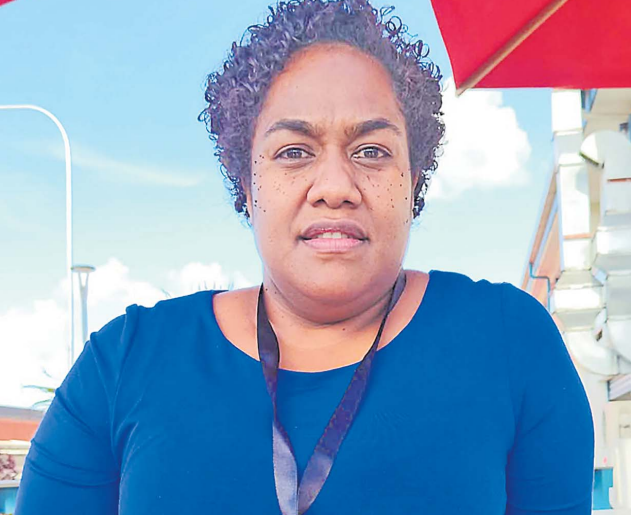
Labasa Hospital intern representative Doctor Maca Ratabua said many interns had completed their training requirements and contractual obligation.
Dr Ratabua said the matter had been formally raised with the ministry and other relevant authorities.
The group is seeking clear and timely communication to avoid continued uncertainty.
“We want the Fiji Medical Association to understand where we stand,” Dr Ratabua said.
The uncertainty over posting, she said, had left many unsure about their future despite years of sacrifice at school.
“There is still no clarity on whether completing internship automatically leads to a posting.”
She said the delay was affecting morale among interns waiting for confirmation of employment.
“We just want clarity on where we are going next.”
She said emotional strain was increasing as interns continued to wait for official confirmation of their status.
As frustration grows, the fate of the intern doctors now lies in the hands of Prime Minister Sitiveni Rabuka, with the ministry awaiting final approval for their posting.
Assistant Health Minister Penioni Ravunawa said a formal submission had been made to the Ministry of Civil Service, with the decision now pending at the Prime Minister’s Office.
“A submission has already been made to MCS, awaiting the prime minister’s approval. We are anticipating a response this month,” he said.
Mr Ravunawa said the delay came at a time when Fiji’s health system continued to face a shortage of doctors and other medical professionals across hospitals and health centres.
Responding to questions from this newspaper, he said doctors were urgently needed to address workforce shortages and improve service delivery nationwide.
“We need doctors and they are part of the scarce professionals in the country at the moment,” he said.
He said once approved; the intern doctors would be deployed to strengthen staffing levels in public health facilities facing increasing patient demand.
“These intern doctors are important because we need more manpower in our hospitals and health facilities.”
He said the additional workforce would also help Fiji improve its doctor-to-patient ratio in line with recommendations by the World Health Organization.
“It will also help the ministry get to the recommended World Health Organization per doctor ratio.”
The uncertainty surrounding intern posting comes as the Fiji Medical Association raises concerns over a growing backlog of doctors awaiting placement despite completing their training.
Fiji Medical Association president Dr Ronald Kumar said 194 intern doctors remained without posting, creating uncertainty not only for current interns but also for future medical graduates.
“Now concerns are about a two-year internship program, which has rapidly turned into a two-and-a-half-year program, and this is for people who graduated two and a half years ago,” he said.
While reforms had been undertaken to review the internship program, Dr Kumar said the current system was still not providing answers for doctors waiting to enter the workforce.
“We know FMA and the Ministry of Health have done a lot of work to relook at the internship program.
“I don’t think it provides answers for the current lot of doctors.”
He said the situation was difficult to understand, particularly at a time when rural and remote health facilities continued to struggle with shortages of medical personnel.
“We do understand that the rest of the world is struggling, we are not alone.
However, he said, deploying doctors to health facilities would help address workforce shortages and ease pressure on an already stretched health system.
Health Minister Dr Ratu Atonio Lalabalavu had earlier said the ministry had sought exemptions to recruit new staff following a hiring freeze linked to rising fuel prices.
Dr Lalabalavu said the matter had already been raised with the Office of the Prime Minister and the Public Service Commission in an effort to secure exemptions for critical healthcare recruitment.

