
ETHYL alcohol (ethanol or alcohol) is part of the cultural traditions of most societies, since the beginning of civilisation. Evidence of obtaining alcohol by distillation dates from the year 1100 BCE.
Although the history of alcohol abuse is as old as its production, alcohol consumption has be- come a public health problem since the 18th and 19th centuries, with the impoverishment of in- dustrial workers.
Ethyl alcohol (ethanol) is the substance in alcoholic beverages that is responsible for most of the harms that arise from their consumption, ir- respective of whether it is consumed in the form of wine, beer, spirits or anything else. Since the emergence of COVID-19 as a global pandemic in March 2020, governments across the globe have initiated public health restrictions on the movement of people to prevent the trans- mission of SARS-COV-2 virus and spreads of COVID-19.
These restrictions have included new regulations on “stay at home” which has been referred to as “lockdown”, ‘self-isolate’ from people out- side their household and “quarantine”.
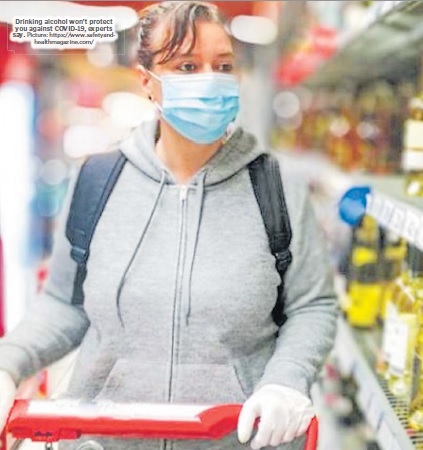
In addition to reducing the spread of COVID-19, the restrictions on the movement of people have also had inadvertent consequences in society. And, one such harmful consequence is increased alcohol consumption. This article highlights the impact of alcohol on immunity and COVID-19, and the impact of COVID-19 social distancing on alcohol consumption. Alcohol sale during COVID-19 pandemic and lockdown Many people reacted to the closure of pubs and restaurants by stocking up to drink at home in isolation.
Alcohol, along with household items and store-cupboard food, disappeared from super- market shelves. As “stay-at-home” orders began in some US states as a mitigation strategy for coronavirus COVID-19 transmission, Nielsen reported a 54 per cent increase in national sales of alcohol for the week ending March 21, 2020, compared with one- year before; online sales increased 262 per cent from 2019.
In an editorial in the British Medical Journal, Finlay and Gilmore noted that supermarket sales of alcohol rose by 67 per cent in the UK, a higher percentage increase than overall supermarket sales. People might divert limited economic resourc- es to procuring alcohol instead of using them for essential items that are needed in the constrained economic circumstances caused by the pandemic Emergent data from various other countries during the COVID-19 pandemic have demonstrated an increase in alcohol use during this time, including the US, UK, Australia, Germany and Poland. These studies have further shown that between one fi fth and one quarter of adults have increased the amount of alcohol they usually consume, and that increased alcohol consumption was related to psychological distress and perceived threat as- sociated with COVID-19.
Overall, lockdown imposed by the government resulted in increasing online and in-store sales of alcoholic beverages in Western countries (e.g. Of- fi ce of National Statistics, 2020). Impact of alcohol on immunity and COVID-19 The immune system is a complex set of organs, structures and molecules (such as humoral factors, signal molecules and immunoglobulins), lymphatic vessels and white blood cells are its most important components.
Through the immune system, the body provides a shield against disease and infection. The role of the immune system is to protect the body from pathogens such as viruses, bacteria, para- sites, toxins.
The immune system is typically divided into two categories – innate and adaptive – although these distinctions are not mutually exclusive. Innate immunity refers to non-specifi c defense mechanism that is naturally present and adap- tive immunity refers to antigen/disease causing agent-specific immune response.
Normal immune function hinges on bidirec- tional communication of immune cells with non- immune cells at the local level, as well as cross- talk between the brain and the periphery.
These different layers of interaction make validation of the mechanisms by which alcohol affects immune function challenging. The Alcohol Research Current Reviews (ARCR) summarises the evidence that alcohol disrupts immune pathways in complex and seemingly par- adoxical ways. These disruptions can impair the body’s ability to defend against infection, con- tribute to organ damage associated with alcohol consumption, and impede recovery from tissue injury.
As reviewed by Szabo and Saha, alcohol’s com- bined effects on both innate immunity and adaptive immunity significantly weaken host defences, predisposing chronic drinkers to a wide range of health problems, including infections and systemic inflammation. Alcohol’s widespread effects on immune function and how in-utero alcohol expo- sure interferes with the developing immune system in the fetus are well-documented in many studies. This exposure increases a newborn’s risk of infection and disease; additional evi- dence suggests that alcohol’s deleterious effects on immune development last into adulthood.
The gastrointestinal (GI) system (diges- tive system) is typically the fi rst point of contact for alcohol as it passes through the body and is where alcohol is absorbed into the bloodstream. One of the most signifi – cant immediate effects of alcohol is that it affects the structure and integrity of the GI tract. For example, alcohol alters the numbers and relative abundances of microbes in the gut microbiome, an extensive community of microorganisms in the intestine that aid in normal gut function. These organisms affect the maturation and function of the immune system.
Alcohol disrupts communication between these organisms and the intestinal immune system. Alcohol consumption also damages epithelial cells, T lymphocytes and neutrophils in the GI system, disrupting gut bar- rier function and facilitating leakage of microbes into the circulation.
These disruptions to the composition of the gut microbiota and to gut barrier func- tion have important implications beyond the intestinal system. For example, Nagy discusses how the leakage of bacterial products from the gut activate the innate immune system in the liver, triggering infl ammation that under- lies alcoholic liver disease (ALD), a condition that imposes major health burden glob- ally, and which eventually may lead to liver cirrhosis and liver cancer.
The harmful effect of alcohol on the mu- cosa (protective cell lining) of the GI system consists in decreasing the absorption and metabolism of certain nutrients including B vitamins (B1, B6 and B9 or folic acid), leading to a slowing of leukocyte (white blood cell) proliferation and differentiation. The defence mechanisms of the mucosal immune system are also affected, resulting in a dysfunction of the functions of IgA and IgG immunoglobulins (protective protein molecules of the immune system), which are responsible for local protection against infectious agents.
Alcohol disruptsciliary function in the upper airways, impairs the function of immune cells (i.e., alveolar macrophages and neutrophils), and weakens the barrier function of the epithelia in the lower airways.
Often, the alcohol-provoked lung damage goes undetected until a second insult, such as a respiratory infection, leads to more severe lung diseases than those seen in non- drinkers. In addition to pneumonia, alcohol consumption has been linked to pulmonary diseases including tuberculosis, respiratory syncytial virus and acute respiratory distress syndrome (ARDS) which is one of the most severe complications of COVID-19.
Chronic ethanol abuse almost doubles the risk of developing ARDS. In addition to alcoholic liver disease, clinicians have long observed an association between excessive alcohol consumption and greater likelihood of sepsis, a higher incidence of postoperative complications, and slower and less complete recovery from infections and physical trauma, including poor wound healing. Alcohol–immune interactions also may affect the development and progression of certain cancers. Alcohol consumption does not have to be chronic to have negative health consequences.
In fact, research shows that acute binge drinking also affects the immune system. Not only does the immune system mediate alcohol-related injury and illness, but literature also indicates that immune signaling in the brain may contribute to alcohol use disorder (AUD). The article by crews, sarkar, and col- leagues presents evidence that alcohol results in neuroimmune activation. This may increase alcohol consumption and risky decision making and decrease behavioral fl exibility, thereby promoting and sustaining high levels of drinking.
They also offer evidence that alcohol- induced neuroimmune activation plays a significant role in neural degeneration and that the neuroendocrine system is involved in controlling alcohol’s effects on peripheral immunity. Psychologists who treat alcohol addiction have noticed that its consumption has increased. A recent study looked at the impact of the COVID-19 pandemic on mental health, using online questionnaires.
The results highlighted the following clinical psychiatric symptoms: generalised anxiety disorder, depressive symptoms and decreased sleep quality or insomnia. Another recently published analysis highlights the fact that the psycho-social effects on the population exposed to strict epidemiological measures are visible up to a few years after the crisis is resolved. About 25 per cent of those who expressed symptoms specific to post-traumatic stress disorder (PTSD) during lockdown remained with the same degree of impairment at 30 months after lifting the lockdown, and the risk of developing depressive symptoms was five times higher in those who were isolated in quarantine compared to the group that was not subjected to these measures.
The association between depressive-anxiety dis- orders and alcohol consumption is studied and attested by multiple scientific publications. Alcohol also alters thoughts, judgement, decision-making and behaviour, and is associated with injuries and violence, including interpersonal violence such as intimate partner violence, sexual violence, youth violence, elder abuse and violence against children. Alcohol consumption may intensify fear, anxiety or depression, especially when people are in isolation and should not be used as a coping strategy to deal with stress.
A study of 754 adults from the US demonstrated that psychological distress caused by the COVID-19 pandemic was associated with increased alcohol consumption, whereas perceived threat from the virus itself was not associated with increased alcohol consumption (Rodriguez et al., 2020). Other reasons people drink during a crisis include the inhibiting effect of alcohol on the nervous system, offering temporary relief from emotions, anxiety or depression associated with lockdown (Abrahao et al., 2017). Alcohol is a psychoactive substance that is associated with certain mental disorders. Therefore, people who suffer from a mental illness or are predisposed to certain disorders, such as depression or anxiety, are par- ticularly vulnerable, especially in the con- text of social distancing.
Another study showed that patients with severe mental illness (SMI) and alcohol use disorder (AUD) are at higher risk for con- tracting COVID-19 and for poor outcomes of COVID-19 infection. Lockdown represents a risk factor for increasing alcohol consumption in people with alcohol use disorders and relapse for those who were previously abstinent. Those who do relapse are at a high risk of harmful drinking and require a tailored approach for the immune system follow-up and intervention. A separate study from the US further showed that perceived social support was associated with lower alcohol consumption (Lechner et al., 2020), which at least partly suggests the need to promote maintained social support during any future lockdowns, should subsequent waves of COVID-19 materialise. COVID-19 pandemic-lockdown-home isolation or quarantine and alcohol consumption Increased alcohol consumption is commonly observed after a crisis.
There are a number of reasons that alcohol consumption might in- crease during the COVID-19 pandemic. These include boredom and disruption to routines caused by the lockdown, or the threat of the disease or changes to life circumstances, and associated distress. Social stressors include social isolation, unemployment, frontline work such as in a hospital, working from home, management of children’s schooling, as well as loss of loved ones, constrained financial resources and/or emo- tional and social support.
One of the important concerns is the way in which parental drinking is influencing the next generations. During the lockdown, the children were more likely to see their parents drinking due to the time spent together at home. Parental model regarding the drinking behaviors can play a major role in the intergen-rational transmission of excessive alcohol consumption. The results of a study conducted in Canada showed that over 93 per cent declared that they were drinking at home with their parents, seen as more acceptable behavior.
Considering the evidence of increased alcohol consumption in women during the pandemic, the pandemic duration and the risks of unintended pregnancies, the likelihoods of increased rates of fetal alcohol spectrum disorders (FASDs) in the future are high. Although we might soon enter a post−COVID era, new cases of FASDs will persist for decades and permanently compromise the lives and life chances of those affected. FASDs is both predictable and largely preventable but has been consistently ignored. Also, the alcohol consumption is a calorie problem. While alcohol is high in calories (7kcal per gram of ethanol), data are somewhat controversial about alcohol consumption versus obesity.
Obesity aggravates the harmful effects of alcohol on the liver. Individuals who binge drink twice per week consume total calories in one year ranging from 52 000 to 114 400 (equivalent to 6.74–14.83kg of fat). Of note, other behavioral changes during the pandemic add to obesity concerns. Obesity and its association with a metabolic syndrome, i.e., risk factors for cardiovascular disease and type 2 diabetes linked to reduced HDL-cholesterol, raised triglycerides, blood pressure and fasting plasma glucose, all of which are related to weight gain, is a problem on its own. However, there is also the strong association of obesity with COVID-19 susceptibility.
A study from 9 out of 10 individuals surveyed admitted drinking alcohol while working from home, with 83 per cent drinking at least twice per week when working from home. Their drinking ranged from a glass or two with lunch to a daily bottle of wine. The health and safety software firm, Protecting, surveyed 1300 employees working from home; 93 per cent reported drinking more alco- hol during than prior to the pandemic. Nine out of 10 individuals surveyed admit- ted drinking alcohol while working from home, with 83 per cent drinking at least twice per week when working from home.
Their drinking ranged from a glass or two with lunch to a daily bottle of wine. Alcohol.org, a leading provider of treatment resources and everything linked to alcohol abuse and rehabilitation, conducted a study of 3000 employees working from home across the US to find out how many are using their new office set up as an excuse to drink.
It was found that one in three Americans (32 per cent) are more likely to drink during work hours while operating from home as compared to working in their typical workspace. In fact, 35 per cent of Americans say they are likely to drink more alcohol while self-isolating. When faced with adversity, such as the cur- rent COVID-19 pandemic, many may look to alcohol to alleviate their stress as it numbs emotions. Particularly if confined to home with less work to do than usual, it can be tempting to grab an alcoholic drink. It seems many of us are prepared for the worst when it comes to alcohol as one fifth (22 per cent) of Americans say they have stock- piled alcohol for self-isolation over other food and drink items. Broken down by gender, it was found that, perhaps unsurprisingly, the most popular drink for men to consume during self-isolation is beer (44 per cent).
Following this was wine (22 per cent) and straight spirits (22 per cent), and cocktails (11 per cent). By comparison, women were most likely to consume cocktails during isolation (38 per cent), followed by beer (33 per cent), wine (24 per cent) and straight spirits (5 per cent). The World Health Organisation (WHO) recommendations on alcohol consumption during the COVID-19 pandemic:
Avoid alcohol consumption as much as possible and alcohol-free lifestyle is the healthiest choice;
If you do not drink, do not start for any reason, health-related or other;
If you do drink, reduce your drinking and avoid intoxication;
Avoid the association between alcohol consumption and smoking, because the two habits are mutually supportive;
Avoid alcohol to manage stress or anxiety;
Social isolation and ethanol abuse are of- ten associated with an increased suicide rate;
Alcohol consumption and administration of certain drugs are contraindicated during the COVID-19 pandemic;
Make sure that children and young people do not have access to alcohol and do not let them see you consume alcohol – be a role model; and
Discuss with children and young people the problems associated with drinking and CO- VID-19, such as violations of quarantine and physical distancing, which can make the pandemic worse. Conclusion Long ago in 19th century, Jerome K Jerome an English writer wrote “we drink one another’s health and spoil our own”. In the context of the COVID-19 pandemic caused by the new coronavirus, alcohol cosumption is a way to relax for many people, but it is important to know that alcohol can in- crease the vulnerability of the individual, both physically and mentally. Though it helps reducing the spread of CO- VID-19, restrictions on the movement of people have also had inadvertent consequences in society. One such important concern is increasing alcohol consumption, and alcohol-related disorders are a major social problem especially during the COVID-19 pandemic. Presentations of alcoholic liver disease, al- ready increasing before the covid-19 crisis, will rise further, and a similar surge will occur in the need for alcohol treatment services.
Alcohol is a psychoactive substance that is associated with certain mental disorders. Alcohol consumption can affect the im- mune system and contribute to obesity and also intensify risky behaviours.
The current pandemic circumstances of COVID-19 not only infl uence the amount of alcohol consumed but also the pattern of drinking through rising ac- ceptability of alcohol consumption in families, influencing the young members, higher consumption in pregnant women and increasing the risk of FASDs. The World Health Organization (WHO) warned that alcohol use during the pandemic would potentially exacerbate health concerns and risk-taking behaviors, and WHO experts say alcohol abuse during social isolation and lockdown is a dangerous way to deal with reality and discourages the use of potentially addic- tive substances to manage the burden of social isolation.
Now, as signs emerge of some control over new cases of covid-19, especially after the ar- rival of vaccines, it is more and more clear that if we don’t prepare for emerging from the pandemic, we will see the toll of increased alcohol harm for a generation. Government could consider additional measures needed to reduce the total amount of alcohol consumed in the society. Analysis of the root causes, a close monitoring of the phenomenon and public health policies to address especially the groups with high risk of harmful alcohol consumption would be highly recommended.
A healthy population drives a healthy economy, and so we must focus both on the economy and on the public’s health.
DR SIVASELVAM SIVAKUMAR is the laboratory head & consultant pathologist at Oceania Hospitals Pte Ltd. The views expressed are the author’s and do not reflect the views of this newspaper.

