
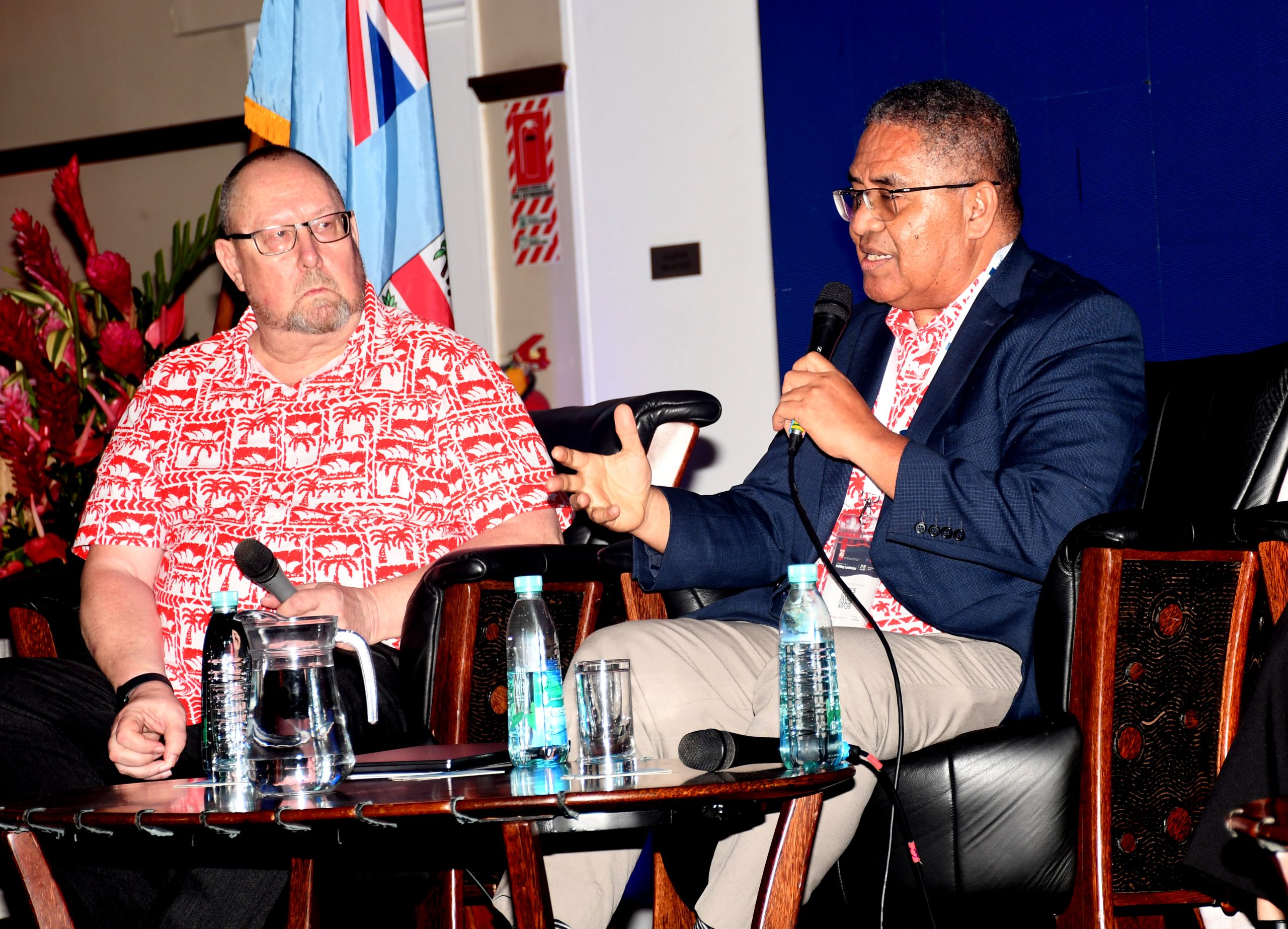
A FORECAST of a severe El Niño could reduce rainfall and hydropower generation, forcing Energy Fiji Ltd (EFL) to rely more heavily on fuel-powered generation to keep electricity flowing.
EFL chairman Rokoseru Nabalarua said the situation required careful management of the company’s generation mix as hydrology conditions deteriorated.
Speaking at the Fiji Australia Business Council forum in Suva, Mr Nabalarua said the Monasavu hydro dam level had fallen to about 734 metres as of August 3, 2026, with rainfall forecast to remain below levels recorded in previous years.
“This will be one of the worst El Niño that the world will ever see for a long time,” Mr Nabalarua said.
“EFL is working with weather authorities, once every month, to plan for the expected conditions.”
The lower water levels mean EFL must balance hydropower with fossil-fuel generation to maintain electricity supply and avoid major disruptions.
Mr Nabalarua said the situation also highlighted the link between Fiji’s water resources and fuel costs.
“When hydro output is constrained, thermal dispatch, fuel usage and cost pressure increase.”
He said increased reliance on thermal generation could put pressure on EFL’s margins if fuel-related costs, including duties, surcharges and operating expenses, were not properly recovered.
Mr Nabalarua also acknowledged the Government’s duty-free concession for EFL during the current period, saying it would help protect the company’s financial position.
He said maintaining EFL’s financial strength was important to its long-term commercial viability.
However, Mr Nabalarua stressed that the surcharge mechanism was not a long-term solution to Fiji’s exposure to fossil fuels.
“The surcharge is not a substitute for transition.”
He said it was a temporary stabilising measure while EFL maintained reliable electricity supply, accelerated investment and worked to reduce its future reliance on fuel.

