Tourism operators in Fiji are not short of questions at the moment. New legislation is working its way into daily operations. Sustainability expectations are moving from brochure language to evidence that must be produced on request. Energy and water costs press on margins, and communities rightly expect more from an industry that depends on their land and coastline.
Most conferences respond with a stage and a slide deck. The Fiji Hotel and Tourism Association has taken a different approach for HOTEC 2026, to be held on October 22 and 23 at the Crowne Plaza Fiji Nadi Bay Resort and Spa. The Industry Information Series puts four focused sessions in front of the people who run tourism businesses, and places them in the same room as government, regional organisations, industry practitioners and technical specialists. The format is built around real examples and direct questions, so the person who can answer yours is a few metres away, not at the end of an email chain.
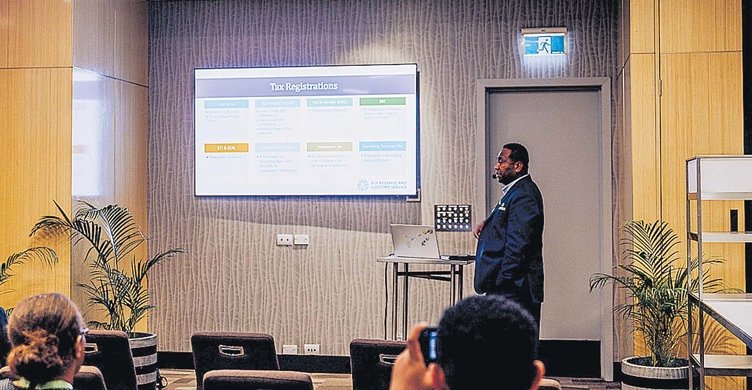
The Regulatory Reset: Thursday, October 22, 10am to 12pm
FEW operators would say the rules have stood still. The Tourism Act 2026, CUMA, Employment Relations reforms, the Tourism Services Tax and VMS/EFD requirements each change how a business runs, from the front desk to the finance office. Together, they raise questions that general managers, finance managers and HR teams are asking now, and not always getting clear answers to.
The session brings relevant agencies together with industry specialists, which matters because the people who administer a rule are often the only ones who can say how it will be applied. Expect a clear account of what has changed and what is coming next, followed by questions from the floor. For a business weighing compliance costs and timelines, hearing those answers first hand is hard to replace.
From Framework to Business Practice: Thursday, October 22, 1.30pm to 3pm
Most tourism businesses will say they take sustainability seriously. Fewer could say what they would show an auditor, a lender or a buyer if asked to prove it. This session puts that question squarely to participants: what does sustainable tourism look like inside a business, and what evidence would demonstrate your performance?
Technical specialists will explain how Fiji’s tourism framework and the Pacific Sustainable Tourism Industry Standard translate into management systems, measurement and everyday practice. The people most likely to be asked for that evidence, including sustainability leads and operations managers, will find the session most useful. Standards count for more each year in how visitors and international partners judge a destination, and businesses that start preparing now will be better placed than those that wait to be asked.
People, Place & Local Value: Friday, October 23, 10am to 12pm
Tourism works in Fiji because of people and place: staff who welcome guests, villages and landowners whose coast and culture draw visitors, and local suppliers who stock kitchens and maintain grounds. How much of that value stays local depends heavily on decisions made inside individual businesses.
This session brings practitioners and specialists together to look at how operators can create greater local value through employment, procurement, community partnerships and authentic guest experiences. It is aimed at HR, procurement and operations managers, and at anyone who sets the policies that decide who is hired, who is developed and who supplies the property. The focus is on strengthening the link between commercial success and the benefits tourism leaves behind. The ideas are meant to be applied in the next budget cycle, not filed away.
Resilience Pays: Friday, October 23, 1.30pm to 3pm
Power bills, water supply and wastewater treatment are not glamorous subjects, but they decide how well a property copes when costs rise or conditions turn. The final session takes a hands-on approach to energy, water, wastewater and operational resilience.
Here the speakers are the people who do the work. Industry professionals will go through what they measure, what has worked, where investment delivered results and what they would do differently. That last point is the most valuable. Hearing where a project fell short, from the person who ran it, can save another property considerable money. Chief engineers and operations managers will see the value straight away, as will finance managers weighing the next capital request.
Who should be in the room
Participants will leave with more than notes. Each session comes with a practical resource pack, including checklists, templates and tools to help businesses measure, monitor, document and improve their own performance. The aim is simple: to leave HOTEC with information that can be used in the business immediately.
The strength of the series is the mix of people in each room. A general manager hears an agency’s answer alongside the finance manager who must budget for it. A chief engineer compares notes with a procurement manager. Questions that stay unresolved inside one department often get settled when the right colleague hears them asked.
That is why businesses should think carefully about who they send. The programme is relevant to general managers, finance, HR, engineering, operations and procurement managers, and sustainability leads, and it works best when the team members closest to each topic attend the matching session.