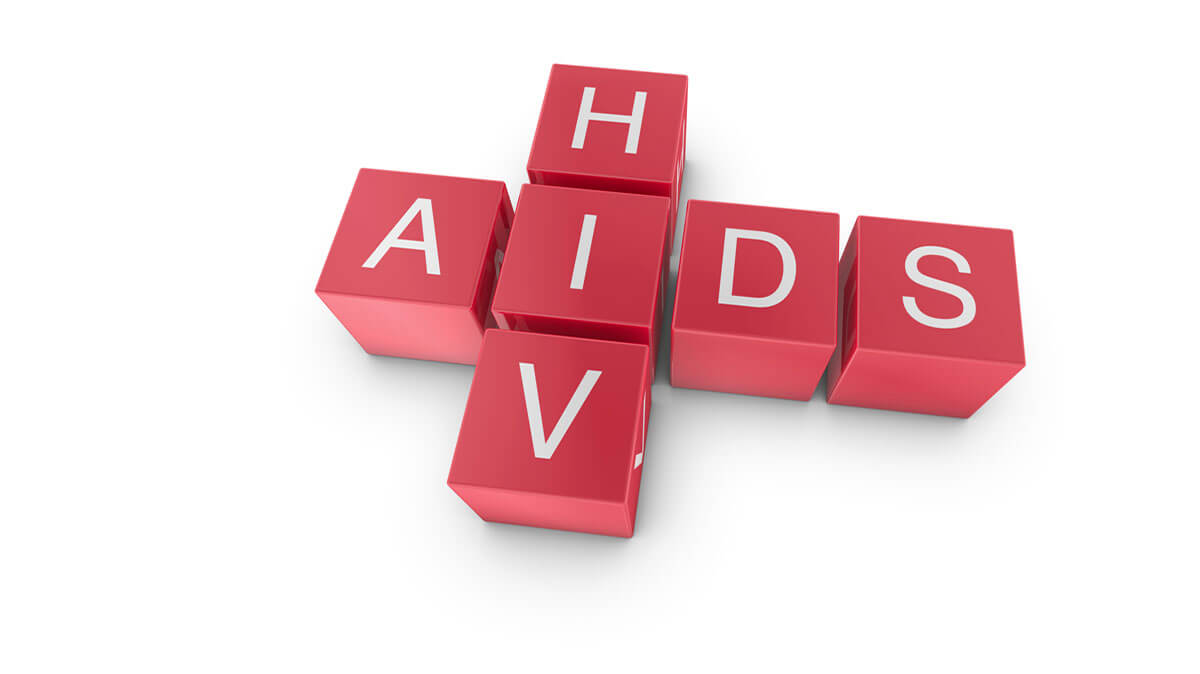
FIJI has recorded a 12-fold increase in new HIV infections in 15 years with injecting drug use emerging as a growing driver of transmission, UN Resident Coordinator Dirk Wagener has warned.
Speaking at the second HIV Media Training on Needle and Syringe Programs, Mr Wagener warned that limited access to clean injecting equipment was putting more people at risk of HIV as drug users continued to share needles, sometimes using the same equipment repeatedly.
“Injecting drug use has become an accelerator unfortunately of new infections alongside of course the sexual transmission,” he said.
He said the practice created a pathway for infections to spread from one person to another, contributing to the sharp rise in new HIV cases.
Mr Wagener stressed that needle and syringe programmes should not be viewed as an alternative to preventing drug use or encouraging people to continue using drugs, but as one part of a wider public health response.
He said prevention, early intervention, harm reduction, treatment, rehabilitation and recovery support must work together to address both the spread of HIV and the challenges faced by people who use drugs.
Mr Wagener also raised concern over the number of people not accessing HIV treatment despite medication being freely available.
He said an estimated 12,000 people were living with HIV in Fiji, but only about 2000 were taking antiretroviral medication.
He said thousands were missing out on treatment because some people might not know their HIV status, while others feared discrimination from their families and communities.
“Some may want to keep their status secret because they fear being stigmatised and ostracised.”
Mr Wagener urged journalists to report on HIV with accuracy and compassion, warning that terminology used could further discourage people from seeking testing, treatment and support.