AFTER 44 hours of gruelling overtime in Antalya, COP31 ended without a formal cover decision, the first UN climate summit since The Hague in 2000 to collapse without a high-level political text.
For major emitters, the failure of the proposed Antalya Pact was a diplomatic embarrassment.
For Fiji, where 27 of our 44 water sources stand at critical levels amid a punishing drought, it was an existential setback.
The deadlock in Türkiye exposed the widening hole between petrostates (oil producing nations) determined to scrub explicit fossil fuel phase-out language from the text and climate-vulnerable nations fighting to keep the 1.5°C warming limit alive.
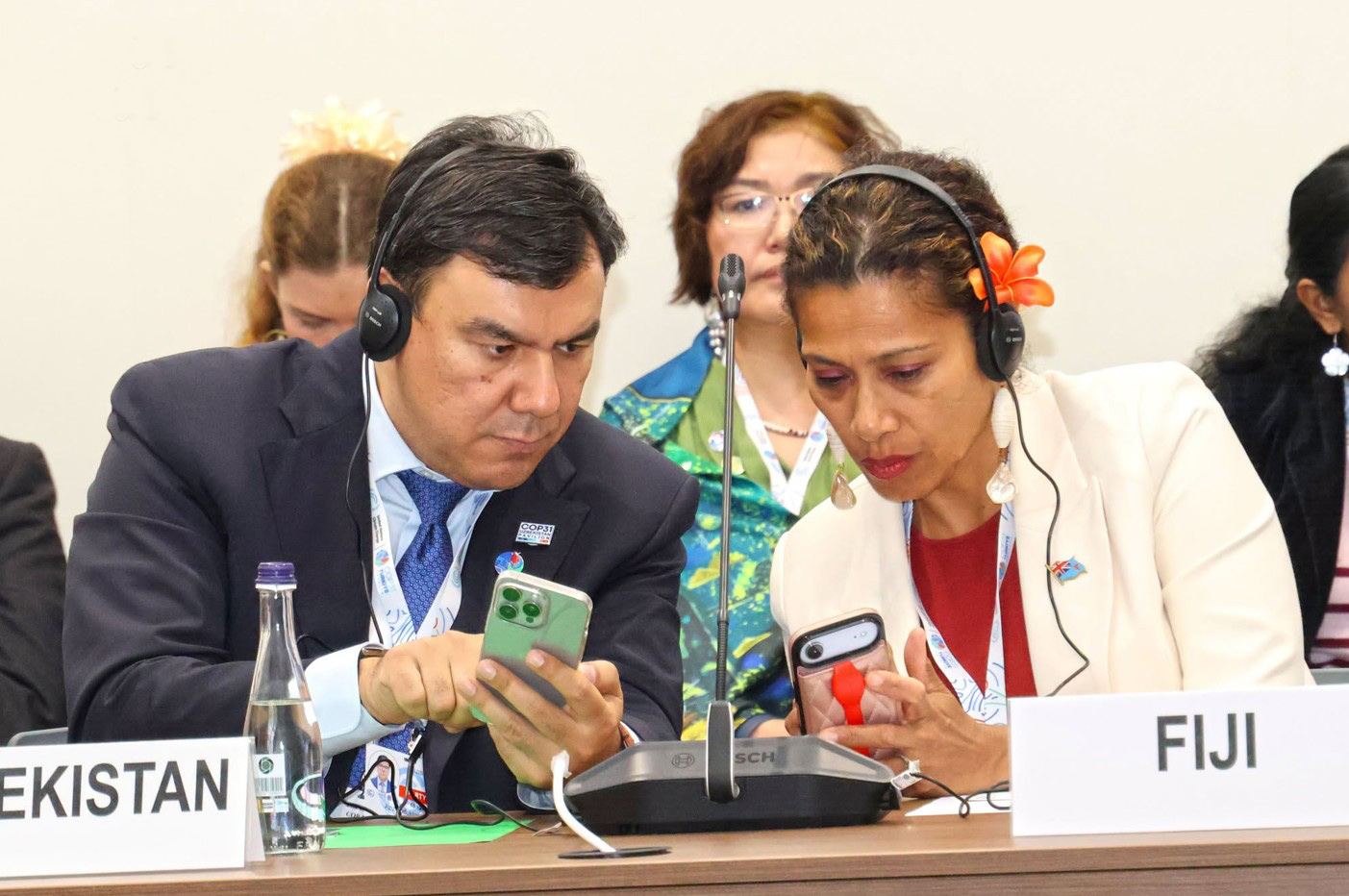
As tens of thousands of delegates packed their bags and left the COP31 venue, Fiji’s negotiating team led by Minister for Environment and Climate Change Lynda Tabuya and chief negotiator Dr Sivendra Michael held the line in the final negotiating rooms.
Alongside the European Union, the United Kingdom, and fellow Pacific states including Tuvalu and the Marshall Islands, Fiji refused to endorse a weakened compromise that avoided to mention fossil fuels.
”It is exhausting and frustrating and disappointing when you come year in, year out and there is no movement,” Ms Tabuya said in Antalya, underscoring the urgency of the crisis facing Fijian communities.
Yet standing on principle carries heavy practical consequences for Suva.
Under Fiji’s Third Nationally Determined Contribution (NDC3.0), covering 2025 to 2035, the government elevated loss and damage response to a formal third pillar alongside mitigation and adaptation.
That policy blueprint reflects stark economic reality, Fiji’s population and critical infrastructure remain heavily concentrated along low-lying coastlines, while tourism which generates roughly 40 per cent of gross domestic product and employs more than a third of the formal workforce depends directly on healthy reefs, stable weather, and intact shorelines.
Delivering on NDC3.0 requires predictable, grant-based international finance.
When a COP summit closes without an overarching political mandate, momentum slows across the financial architecture that Small Island Developing States rely on to fund seawalls, climate-resilient agriculture, and planned village relocations.
While existing Paris Agreement obligations remain legally intact and Dr Michael noted that the consensus process remains vital for holding parties to legally binding commitments, the absence of a unified cover decision weakens political pressure on wealthy nations to scale up adaptation and loss-and-damage flows.
Equally troubling for Fiji is what went unsaid in the formal cover text regarding the ocean.
Throughout the summit, Opposition Leader Inia Seruiratu speaking in his regional role as Pacific COP31 Ocean Envoy championed Pacific-led ocean finance and warned that the ocean could no longer sit on the margins of global climate action.
While parallel initiatives such as the Antalya Ocean and Seas Pact emerged on the sidelines, the collapse of the overarching cover decision meant binding political visibility for the ocean-climate nexus stalled inside the main UNFCCC process, leaving Pacific negotiators to salvage uncontested marine provisions through alternative channels.
The Antalya impasse does not leave Fiji powerless, but it forces a sharper strategic pivot. First, Suva must lean harder into Pacific-owned institutions rather than waiting exclusively for consensus in sprawling UN halls. Earlier this year, Parliament’s Standing Committee on Foreign Affairs and Defence recommended ratifying the Agreement to Establish the Pacific Resilience Facility, headquartered in Nuku’alofa, Tonga.
Designed specifically to bypass bureaucratic bottlenecks and deliver simplified, grant-based funding for community adaptation, disaster preparedness, and loss and damage, the facility represents the kind of regional self-reliance Fiji will increasingly need.
Second, Fiji’s dual presence in Antalya with government ministers leading formal negotiations while Mr Seruiratu advanced regional ocean advocacy underscores the value of bipartisan alignment on climate survival.
Translating NDC3.0 into funded projects across rural and maritime provinces requires policy continuity that outlasts election cycles.
Finally, the road to COP32 in Addis Ababa will test whether the Pacific can turn moral authority into binding leverage.
Multilateralism remains indispensable for a nation that contributes a fraction of global emissions yet absorbs disproportionate climate shocks. Still, Antalya proved that consensus among nearly 200 nations can be held hostage by fossil fuel interests.
For Fijian families rationing water today and coastal villages watching high tides creep closer to family homes, diplomatic overtime in Türkiye offers little comfort.
COP31’s breakdown is a sobering reminder that while Fiji must keep fighting in global arenas, its sharpest shield remains regional solidarity and rapid, resilient action at home.