
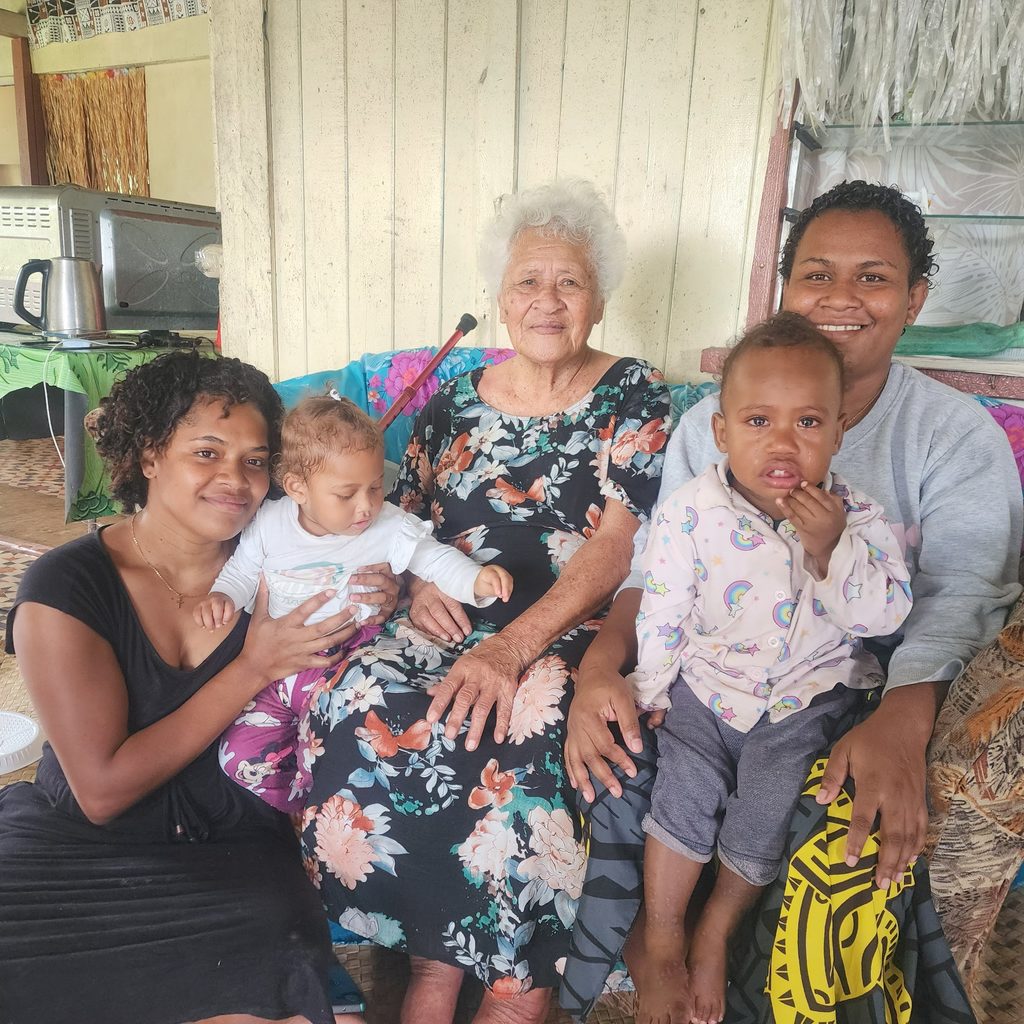
Sikiti Kaisuva is a rare gem. At 93 years old, she still reads without the aid of spectacles and speaks with remarkable clarity, warmth and vigour.
Her sharp mind and infectious spirit are as striking today as they have been throughout a life rich in experience and wisdom.
Welcoming The Sunday Times team into her home near Korovou Town in Tailevu, Mrs Kaisuva reflected on the simple yet enduring pillars she believes have blessed her with a long and fulfilling life—faith, wholesome food and a loving family.
A proud mother of nine children and grandmother to 36 grandchildren, she says her greatest blessing has been raising a family grounded in peace, happiness and love.
Those virtues, nurtured over generations, remain the foundation of her close-knit family whose bond continues to grow stronger with time.
“I owe my long life to God and God alone,” she said unabashedly, a Bible by her side, tattered by many years of overuse.
“For someone my age, I spend most of my time meditating…I read the Bible and pray as if they are food and water. There’s nothing else to do, I just wake up, sing, worship and just give thanks for the good life I enjoy.”
Sikiti hails from Nukunuku, Lakeba in Lau and was raised by dedicated Christian parents whose tutelage laid a firm spiritual foundation for her and her siblings, encouraging them to live with purpose and compassion.
In a world of chaos
Having witnessed nearly a century of change, Sikiti has seen generations come and go, along with the rise of diseases and the growing number of lives cut short far too soon.
While the trend does not surprise her, it deeply concerns her. She believes many of today’s health challenges stem from changing lifestyles, poor eating habits and a departure from the simple, disciplined way of life that sustained her generation.
Government statistics show that diabetes prevalence in Fiji has climbed to between 16.5 and 17 per cent, up from 14.6 per cent in 2011.
Furthermore, 98.5 per cent of adults aged 18 to 69 have at least one risk factor for NCDs, while almost half live with three or more.
More than 68 per cent of adults are overweight or obese, with obesity affecting 40 per cent of the population, the majority of them women.
Hypertension affects 36.6 per cent of Fijians, yet almost half of those living with the condition do not know they have it.
Diabetes Fiji executive officer Kini Marawa this week said these figures should be treated as a wake-up call for government, businesses, civil society, sporting organisations and faith-based groups.
He said the issue could not be left to the health sector alone. It is about roping in government bodies, corporate entities, civil society organizations, sports federations, and faith-based institutions to work on a united front against NCDs.
The best food gives the best health
For Sikiti, good health is neither accidental nor complicated.
It is the result of deliberate choices made every day, guided by faith, nourished by nature and rooted in principles she has followed throughout her life.
She believes the answers to living well have always existed, if only people are willing to return to them.
“I cannot speak for others but how I’ve lived my life tells me that we should treat our bodies like a sacred temple and only feed and quench it with super foods, and I mean garden produce like fresh fruits and vegetables,” Sikiti said.
“My Bible tells me what to eat and what not to eat. So you can’t expect good health if you are eating foods you are supposed to stay away from. Eat and drink only the best.”
Being an Adventist Christian, Sikiti loves her green vegetables and fruits and makes sure she has a healthy supply.
She sources her meat protein largely from fish and other white meats and stays away from red meats.
“I have never smoked and I have never tasted yaqona or alcohol.
Longevity in the family
There’s another secret to Sikiti’s long life. She inherited genes for longevity.
She says she has an older brother, Jale, who is 102-years and a younger brother, Tuiloma who is 91. Her only sister, Selai, who visited her on her birthday last weekend is around 87 years old.
One can only imagine the joy and laughter that fill the air whenever the siblings reunite to celebrate a special family occasion.
That moment came two years ago when Jale celebrated his 100th birthday—a milestone that brought generations of the family together to honour a life well lived, rekindle cherished memories and create new ones.
Sikiti feels the combination of faith, food and family are the real reasons behind her long life.
Taking away one, she believes, would upset the balance that has sustained her for more than nine decades, because each has played an equally important role in shaping the healthy, fulfilling life she has enjoyed.
She also vouched for the importance of having a happy marriage, talking about her own relationship with her husband Eliki, whom she first met in Vatuvonu, Buca Bay in Cakaudrove.
Global research
According to the Blue Zones research by Ban Buettner, conducted between 1999 and 2007 (before being popularized in a famous 2005 National Geographic cover story concept), with backing from the National Institute on Aging, researchers identified five geographic regions where people consistently live longer and healthier lives, with unusually high concentrations of centenarians.
Despite being separated by thousands of kilometres and shaped by different cultures, the people living in these regions shared strikingly similar lifestyles. Researchers found common threads including regular natural movement, predominantly plant-based diets, a strong sense of purpose—whether through ikigai or faith—effective ways of managing stress, and close family and community ties.
The five regions are Okinawa in Japan, Sardinia in Italy, Ikaria in Greece, Nicoya in Costa Rica and Loma Linda in the United States, the only urbanised Blue Zone.
Loma Linda’s longevity is closely linked to the lifestyle of the Seventh-day Adventist faith, which Sikiti and her siblings belong to.
For Sikiti and many adventists, fellowship provide a strong support network, while the observance of a 24-hour Sabbath encourages rest, reflection and relief from the pressures of everyday life. Their diet centres on whole grains, beans, nuts, fruits and vegetables, with little or no meat, and abstains from alcohol and tobacco. Physical activity is also a natural part of daily living, with walking, gardening and outdoor work replacing structured exercise.
For many, the findings from the Blue Zones offer a scientific explanation for what people like Sikiti have practised all their lives—that good health and longevity are often built on simple habits: nourishing food, meaningful relationships, active living and an enduring faith.
“I read the Bible every single day. Every year, I read from Genesis 1 and end at Revelation 22. When I reach the end of Revelation, I feel like I’ve achieved the greatest task of the year. I sing a song to celebrate my achievement.”
“For the younger generation, please trust in God and be obedient to his word. Love your neighbour as you love yourself and look after your body for it doesn’t belong to you. It’s God temple, merely given to you to look after.”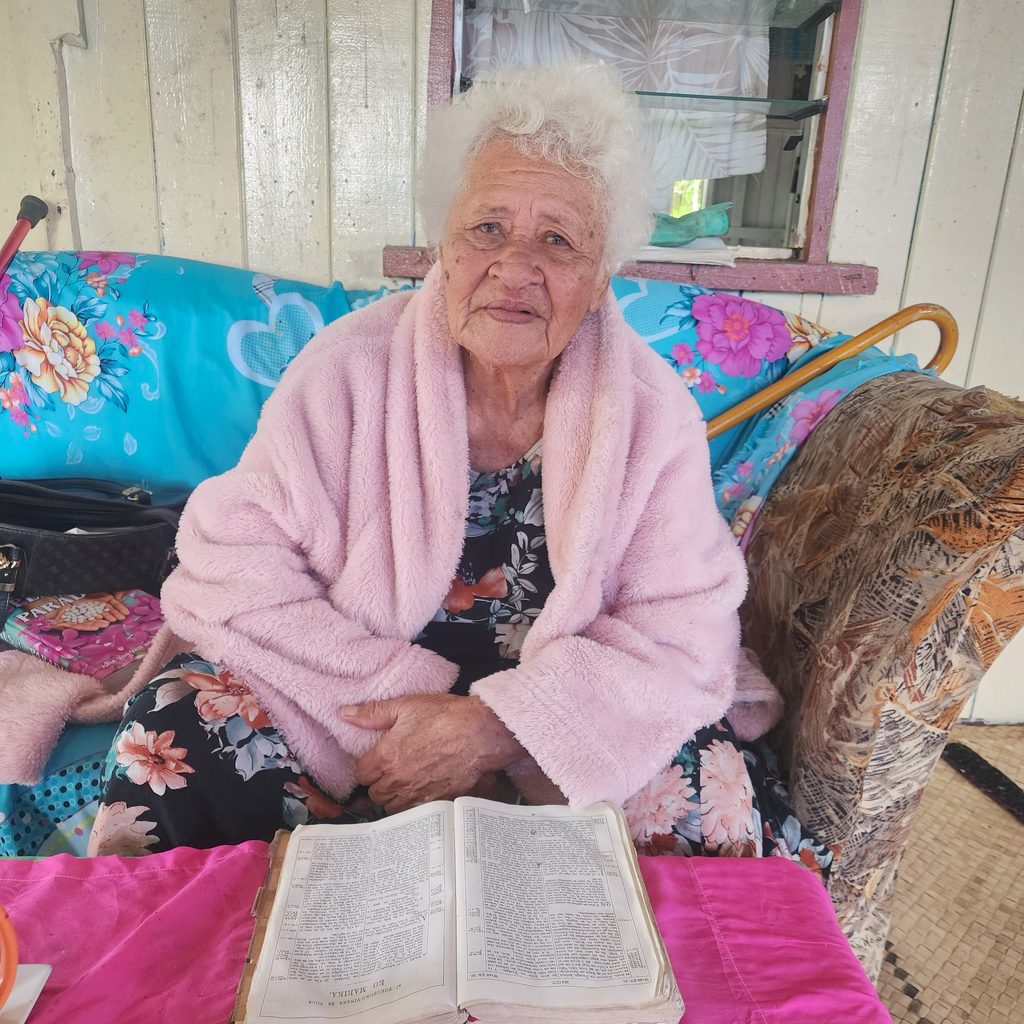
Sikiti Kaisuva, 93, believes the secret to living a long life are food, family and faith,

