
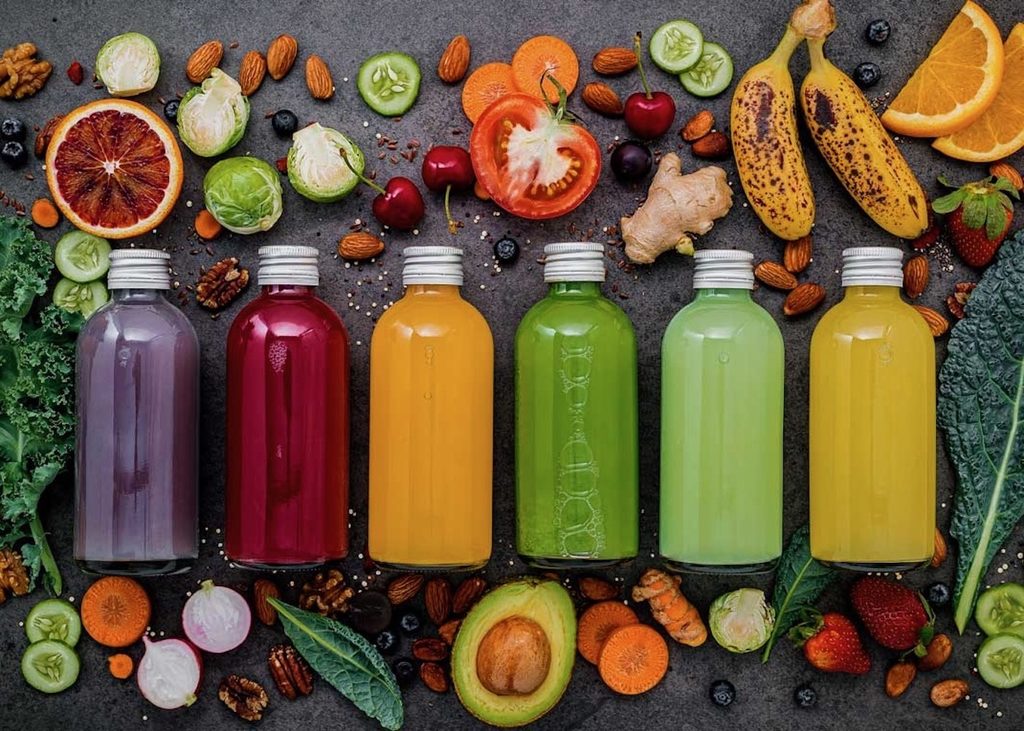
The phenomenon and the surge in the number of wellness initiatives centered on blended health juices and detox drinks reflects a broader shift toward preventive health and lifestyle-focused nutrition.
As people become more conscious of diet-related illnesses, busy schedules, and the desire to feel healthier, juices made from fruits, vegetables, herbs, and functional ingredients have gained widespread popularity.
Social media influencers, wellness brands, and celebrity endorsements have further accelerated this trend by promoting juice cleanses and detox programs as simple, accessible ways to improve energy, digestion, and overall well-being.
For many Fijian consumers, these products symbolise a commitment to healthier living and provide a convenient way to increase fruit and vegetable intake.
Influential factors
Aside from the fight against NCDs, several factors have drawn people to the health juice movement. Modern lifestyles often involve highly processed foods, sedentary work, and stress, leading many to seek quick and tangible solutions for improving their health.
Marketing and social media frequently emphasises “cleansing” the body of toxins, boosting immunity, aiding weight loss, and restoring balance.
Brightly colored juices, natural ingredients, and attractive branding reinforce perceptions of purity and vitality.
Psychological factors also play a role: participating in a detox program can create a sense of control, motivation, and a fresh start, especially after periods of unhealthy eating or during seasonal health campaigns.
The challenges
Despite their popularity, many claims associated with health juices are not strongly supported by scientific evidence.
In healthy individuals, the body’s liver, kidneys, lungs, and digestive system already perform the functions of removing waste products and metabolizing potentially harmful substances.
While juices can provide valuable vitamins, minerals, and antioxidants, there is little evidence that juice cleanses remove toxins more effectively than the body’s natural processes.
Many commercial juices are also high in natural sugars and low in dietary fiber because the juicing process removes much of the fruit and vegetable pulp.
Extended juice-only cleanses may result in inadequate protein, healthy fats, and other essential nutrients, pot`entially leading to fatigue, muscle loss, or unstable blood sugar levels in some individuals.
A balanced perspective
A balanced perspective recognizes that freshly prepared juices can be a useful complement to a healthy diet when consumed in moderation, particularly as a convenient way to increase vegetable and fruit intake.
However, many feel they should not be viewed as a substitute for balanced meals or as a scientifically proven method of detoxification.
Sustainable health outcomes are more consistently associated with regular physical activity, adequate sleep, a varied diet rich in whole foods, proper hydration, and evidence-based medical guidance rather than short-term detox regimens.
Wellness initiatives that encourage these broader lifestyle habits are likely to provide more lasting benefits than those focused solely on juice cleanses.
Adventists and healthy living
The Seventh-day Adventist Church has been a major force and strong advocate for healthy living.
According to the church, Adventists’ belief in heath is guided by four foundational principles which are;
1. Inspiration: The belief that the Word of God is the very best guide to making wise choices in every area of life and health. Scripture speaks eloquently on a wide variety of health topics and reveals a loving God who wants to give His children life “more abundantly)” (John 10:10);
2. Evidence: Advenstists operate under the conviction that God is the author of all true science. Therefore, followers respect evidence-based health science which stands up to the rigors of careful examination and analysis according to accepted scientific principles;
3. Balance: Because humans are wholistic beings, a balanced approach in life is essential to health. This involves avoiding harmful practices and using wisely and carefully even the best things in life. Even good things can be taken to excess. Therefore, adventists are deeply committed to physical, mental, social, and spiritual balance to support health, happiness, and healing; and
4. Relationships: Social and spiritual support are essential to health and human flourishing. Cultivating positive relationships with God, family members, friends, and community members will play a significant role in our personal health, productivity, and ability to help others.
Health juice with a spiritual purpose
Some time back, a few families who travel from afar to attend church on Saturday planned to provide breakfast not only for themselves but for anyone who arrives at church between 7:00–8:45 a.m., just in time for the first segment of worship, Sabbath School, begins at 9:00 a.m.
This was also done to encourage members to arrive on time.
“On that same Sabbath, the local church health department had independently planned to launch a weekly health juice initiativ,” said Vugalei Adventist Church deputy youth leader Sakeasi Tuni.
“This was in response to the increasing cases of flu and other illnesses affecting both children and adults, as well as the rising prevalence of diabetes.”
So for the first six Sabbaths (Saturdays), these initiatives were carried out in front of the church near the Vugalei roundabout, primarily serving local residents and drivers dropping off members.
“It was not until the annual Global Youth Day of the SDA Church on March 21 this year that the youth department decided to combine both initiatives, take full responsibility for them, and move the outreach to the roadside where members continue to serve every Saturday morning,” Tuni said.
The gospel is shared organically through intentional hospitality and relationship building rather than cold-calling. By first meeting a tangible human need, youths create a judgment-free space to build trust before diving into more complex spiritual narratives.
This strategy aligns well with biblical models of holistic ministry, where a human’s physical, social and spiritual needs are addressed together.
While free juice (and breakfast) acts as a leverage, they do not replace the gospel itself. For Vugalei youths, the goal is to use that judgement-free time to listen to individuals, build a human-to-human relationship, and eventually weave in the core message of Jesus Christ.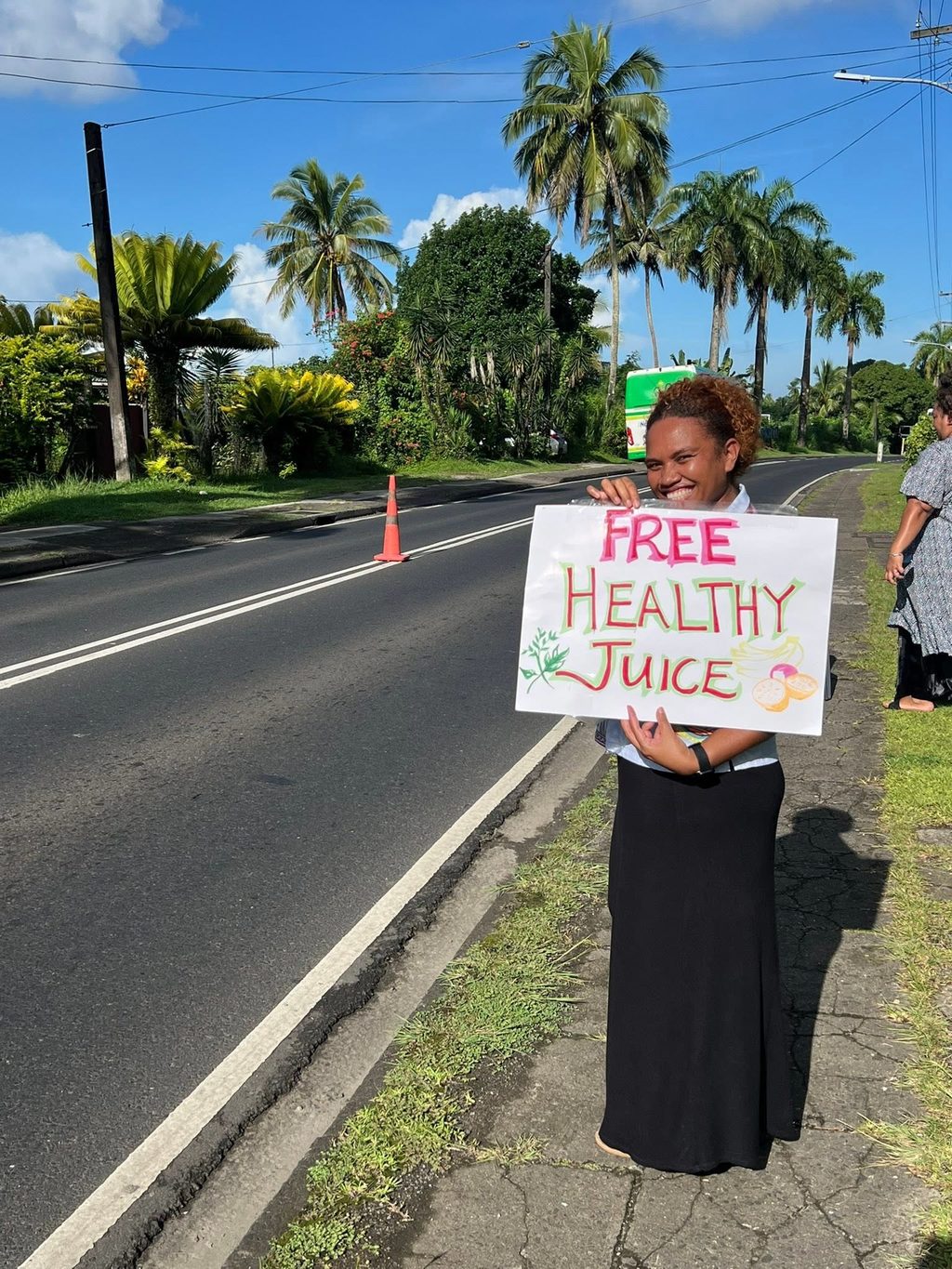
Youth promote Vugalei health juice station by the roadside. Picture: VUGALEI SDA CHURCH FACEBOOK PAGE
THE surge in the number of wellness initiatives centered on blended health juices and detox drinks reflects a broader shift toward preventive health and lifestyle-focused nutrition.
Picture: www.marketresearchintellect.com

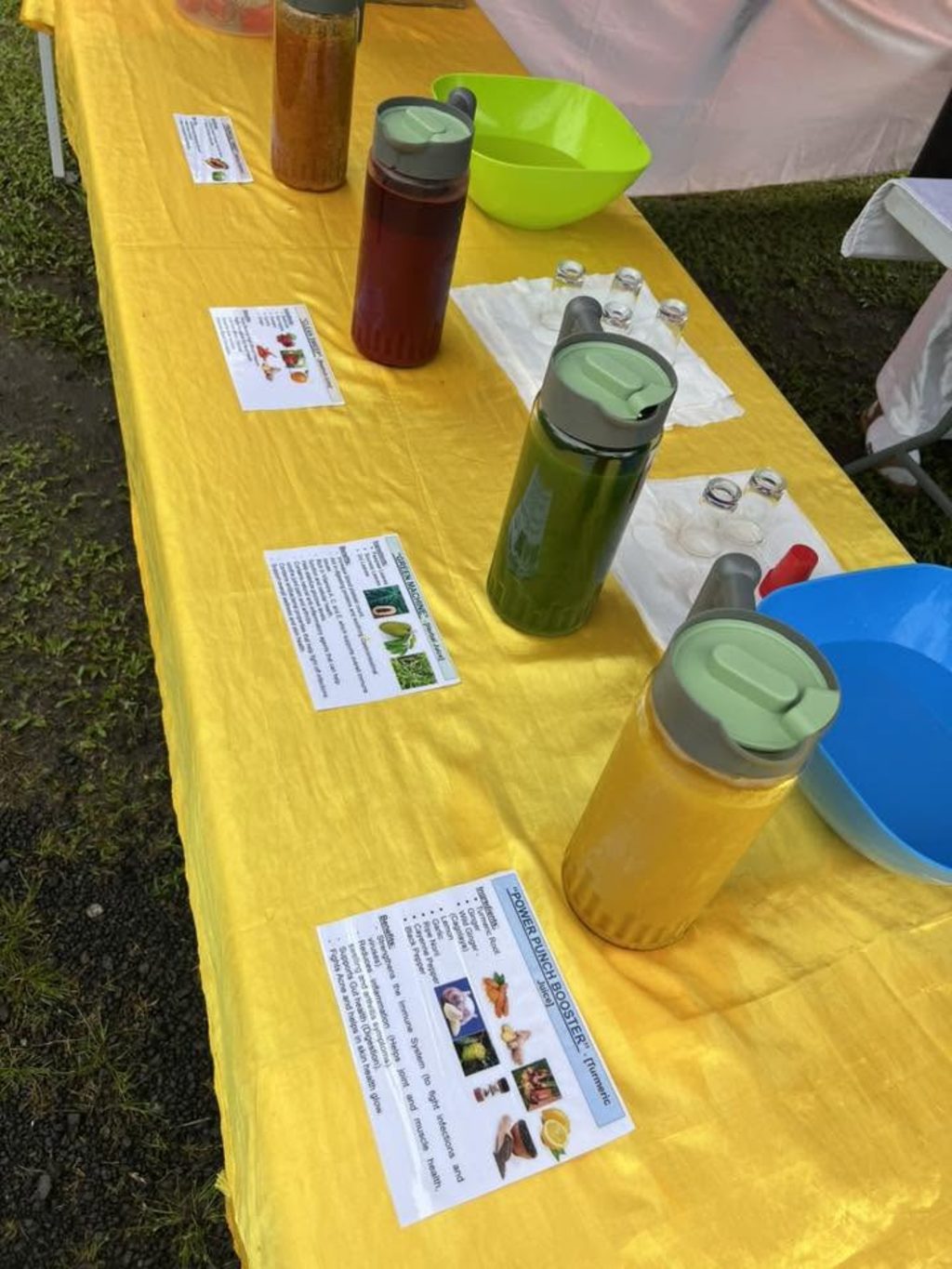
Free health juice is served by youth of Vugalei SDA Church every Saturday morning. Picture: VUGALEI SDA CHURCH FACEBOOK PAGE

