The Coalition Government will maintain its major cost-of-living relief measures, including the 12.5 per cent Value Added Tax (VAT) rate, zero-rated VAT on 22 essential items, the $200 Back-to-School Assistance programme and increased social welfare payments despite ongoing fiscal pressures.
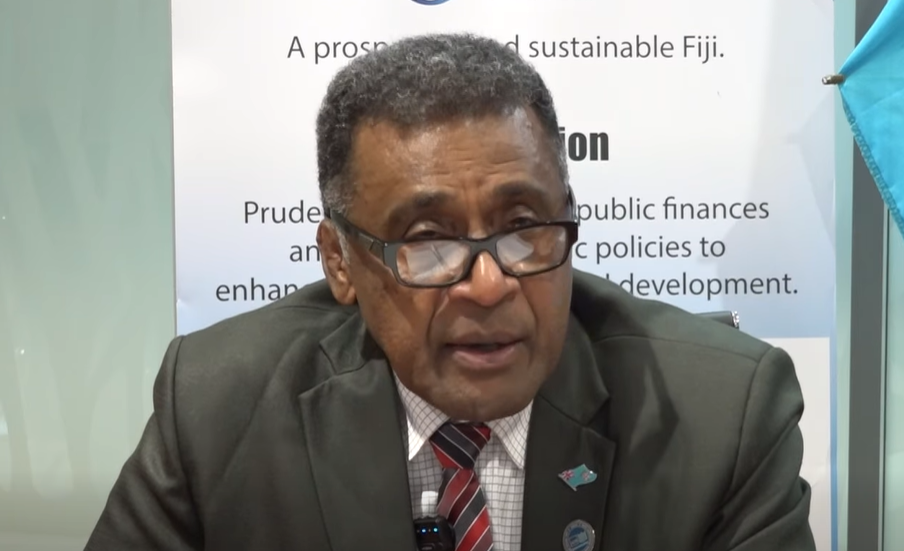
Presenting the 2026-2027 National Budget in Parliament, Finance Minister Esrom Immanuel said the reduction in the VAT rate from 15 per cent to 12.5 per cent in August last year had been one of the Government’s most significant initiatives to ease the cost of living.
“One of the most significant measures undertaken by Government to reduce the cost of living was the reduction of the VAT rate from 15 percent to 12.5 percent in August 2025.”
Mr Immanuel said the lower VAT rate had delivered approximately $250 million in annual tax relief to households and businesses.
He said that was in addition to the continued zero-rating of VAT on 22 essential items, providing a further $250 million in annual relief.
“Together, these measures provide approximately $500 million in VAT relief to our people every year.”
Despite the difficult fiscal environment, Mr Immanuel confirmed that the Government would retain the 12.5 per cent VAT rate and continue zero-rated VAT on essential household goods.
The zero-rated items include flour, rice, sugar, canned fish, cooking oil, potatoes, onions, garlic, baby milk, powdered milk, liquid milk, dhal, tea, salt, soap, washing powder, toilet paper, sanitary pads, toothpaste, kerosene, cooking gas and prescribed medicines.
The Finance Minister also announced the continuation of the $200 Back-to-School Assistance programme.
The payment will again be made in January 2027 ahead of the new school year, with $40 million allocated in the Budget.
Mr Immanuel said the initiative had already assisted more than 210,000 students and their families, with almost $210 million distributed since the Coalition Government took office.
Government will also continue supporting approximately 130,000 Fijians through social welfare, pension and aftercare programmes, with more than $200 million allocated in the 2026-2027 Budget.
Mr Immanuel noted that welfare, pension and aftercare payments were increased by 15 per cent across the board in 2023, including a 25 per cent increase for recipients aged over 70 years.
Those payments were further increased by 5 per cent in 2025, followed by a temporary 50 per cent top-up from May to July this year to help vulnerable households manage the impact of the global fuel crisis.
He said the temporary fuel crisis support package cost the Government approximately $24 million.