
Countries are struggling to agree on consistent gender-related language in the COP30 negotiations.
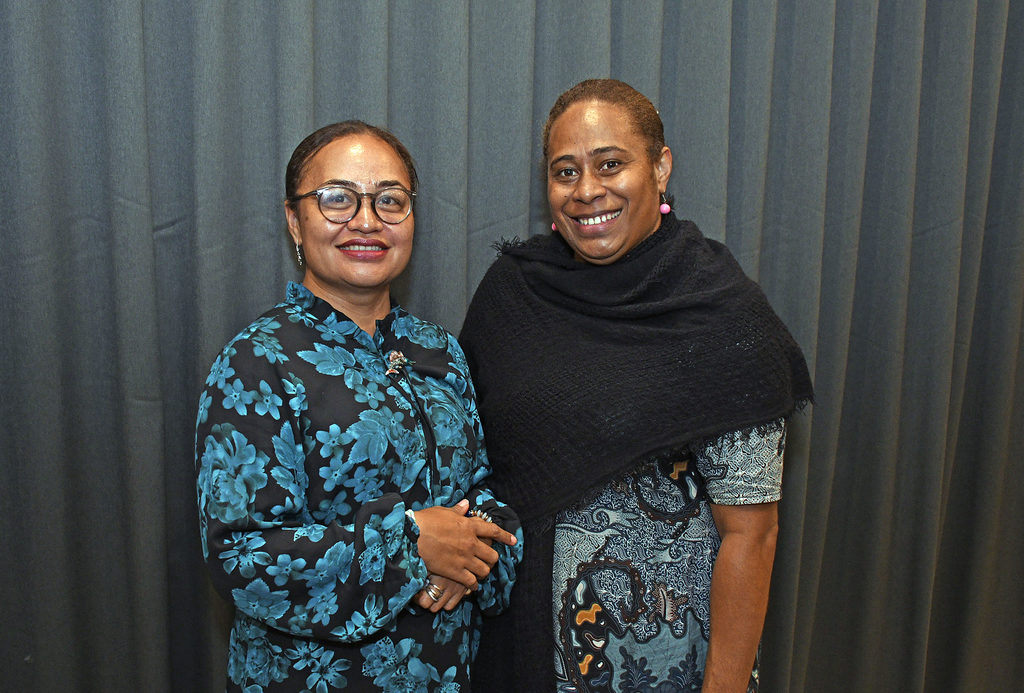
Acting Director of Women, Amelia Nairoba, who is leading negotiations on extending the Lima Work Program on Gender and developing a new Gender Action Plan, said the aim was to make climate action fairer and inclusive for women, ensuring they have equal opportunities to participate in decision-making and access climate finance.
“The challenge sitting in these negotiations at COP30 would be the language,” Ms Nairoba told this newspaper.
“While terminology is often consistent in other gender-focused forums, such as the Commission on the Status of Women (CSWA) and regional Asia-Pacific meetings, it is not always aligned with the UNFCCC process.”
In practice, this means negotiators must carefully reference previously agreed language from earlier COPs to ensure continuity.
Even when countries agree on the concepts of gender equality, disputes over precise phrasing can prevent official approval.
“Most countries still flag, but they say no, we’ll still remain.
“And sometimes just two or three countries can act as roadblocks in a negotiation involving over 180 nations.”
Ms Nairoba said they were working on the use of bilateral meetings with allies, including the UK, and collaboration with groups such as the Alliance of Small Island States (AOSIS), the Independent Association of Latin American Countries (ILAC), and the African Group of Negotiators (AGN) to advance things.
At the same time, this newspaper observed some countries coordinate closely with like-minded states, such as Russia’s alignment with Saudi Arabia.
“We’ve actually reached out to some of the developed countries to see how possible we could land on some of the text within the Gender Action Plan.”
The forthcoming Gender Action Plan is expected to build on this foundation by outlining specific actions to promote women’s participation and benefit from climate funding.
For those who don’t know, in the context of UN climate negotiations, “text” refers to the precise wording of official documents.
Even minor differences in language can delay adoption, meaning that negotiators spend significant time debating phrasing to ensure all countries can agree.
Ms Nairoba said while there was often consensus on ideas, achieving agreement on language remained a core challenge.

