

SHIKA Raju’s journey to the top of Mt Everest did not begin in the snowfields of the Himalayas.
It began thousands of kilometres away in the tropical warmth of Fiji, where she grew up surrounded by family and community that shaped the course of her life.
Today, Shika has earned a place in history as the first Fiji-born woman to successfully climb Mount Everest, standing 8,849 metres above sea level on the highest point on Earth.
Yet for Shika, Everest was never simply about reaching a summit.
Instead, it was about purpose and discovering just how far human potential can stretch when matched with determination.
Her story is one that spans oceans and continents, from the close-knit neighbourhoods of Suva to the death zone of Everest and it offers an inspiring reminder that extraordinary achievements often have humble beginnings.
Roots in Fiji
Shika spent the first eight years of her life in Suva, growing up in a community where family connections formed the foundation of daily life.
“I grew up in Suva, Fiji, until I was eight years old, in a close-knit family and community where relationships mattered and people genuinely looked out for one another,” she told The Sunday Times.
Some of her happiest memories involve time spent with her grandmother and extended family.
“It was common to visit aunties, uncles and cousins, often without any special occasion, just to spend time together. Those family connections created a strong sense of belonging and support that made a real difference growing up.”
Life was simple, she says, but rich in ways that mattered most.
“Looking back, those experiences shaped my values and continue to influence who I am today.”
Those early years instilled principles that continue to guide her – professionally and personally.
“Growing up surrounded by family and a strong sense of community taught me the importance of kindness, compassion and looking out for others,” she said.
“There is a warmth and generosity that comes with the Fijian island way of life, where people take the time to connect and support one another.”
Even after decades abroad, Fiji remains central to her identity.
“Respect for elders, looking after family and giving back to the community are values that remain central to my life,” she said.
“The Fijian concept of community over individualism is something I carry with me wherever I go. Success means little if you don’t bring others along on the journey.”
A new beginning in Australia
Like many migrant families, Shika’s family left Fiji seeking greater opportunities.
“My parents wanted better opportunities for their children,” she said.
“They saw Australia as a place where education, career opportunities and future prospects would allow us to build a better life.”
The transition was not without challenges.
“Starting again in a new country is never easy. There were cultural adjustments, financial pressures and the challenge of building a new support network.”
Yet the experience also built strength.
“As migrants, you often have to work twice as hard to establish yourself, but those experiences also build resilience.”
Australia opened doors that would shape both her career and personal growth. Raju pursued studies in psychology and eventually built a successful career in public sector leadership.
Today, she serves as executive officer at the Health Education and Training Institute (HETI), where she works closely with senior leaders on strategy, governance and organisational performance.
The Mountain calling
Shika’s fascination with high-altitude environments began after participating in the Everest Marathon, one of the world’s highest and most challenging races.
“What started as a curiosity about mountains gradually evolved into a passion for high-altitude climbing,” she said.
“The higher I climbed, the more fascinated I became with the challenge.”
One of her first major Himalayan experiences was Island Peak in Nepal, standing more than 6,100 metres above sea level.
“It taught me that we are capable of much more than we think,” she said.
“It was the first time I truly experienced the mental and physical demands of high altitude.”
Unlike some climbers who are driven by competition or recognition, her motivation was deeply personal.
“I simply wanted to see how far I could push my own limits and what I might learn about myself along the way,” she said.
“The mountain doesn’t care who you are. It only responds to preparation, humility and good decision-making.”
An eight-year dream
Each of Shika’s expedition became a stepping stone.
Peaks such as Island Peak, Mera Peak, Aconcagua and Manaslu provided vital lessons and experience.
“As I gained experience, Everest gradually became less of a dream and more of a realistic goal.”
“In many ways, every mountain, marathon, training session and setback contributed to Everest.”
The preparation demanded extraordinary discipline. Alongside a demanding executive career, Shika trained relentlessly through early mornings, weekends and countless sacrifices.
“It comes down to discipline, planning and priorities. The same skills that help me succeed professionally also help me prepare for expeditions,” she said.
Facing the world’s highest mountain
Everest is often romanticised as a triumph of courage and endurance, where success depends not only on strength, but also on judgment, patience and the ability to remain calm amid uncertainty.
“Weather changes, delays, physical setbacks and difficult decisions are all part of the process. You must remain calm and adaptable when things don’t go according to plan,” she said.
“Absolutely, there were moments when I was exhausted, cold and questioning whether I had enough left to keep going,” she said.
What sustained her was trust.
“I trusted my preparation, my team and the eight years of work that had brought me there.”
Yet she remained realistic. Reaching the summit was important, but coming home safely was always her real goal.
Standing on top of the world
After years of preparation and persistence, the moment finally arrived. Shika stood on the summit of Mount Everest.
“It was surreal,” she said.
“For eight years, Everest had shaped my life. Then suddenly I was standing on the highest point on Earth.”
“There were joy, relief and gratitude, but also a strong awareness that the climb was only halfway complete.”
Among experienced mountaineers, there is a saying: getting to the summit is optional; getting down is mandatory.
Raju would soon discover just how true that is.
The descent
During the descent from Everest, she suddenly lost her vision.
“The biggest physical challenge came after I had successfully summited Everest,” she recalls.
“During the descent, I lost my vision and was unable to see.”
“At that point, my guide and Sherpa team safely assisted me down the mountain and all the way back to Camp Four.”
The experience left a profound impression.
“It was a humbling experience and a reminder that reaching the summit is only half the journey.”
She is quick to credit those who helped bring her safely home.
“Their professionalism, skill and commitment to safety played a critical role in getting me off the mountain safely,” she said.
More than a personal achievement
For Shika, becoming the first Fiji-born woman to climb Everest carries significance far beyond personal accomplishment.
“It is an honour,” she said.
“I hope it demonstrates that people from small island nations can achieve extraordinary things.”
She believes Fiji’s size has never limited its people and her message is especially directed toward young women, including those across the Pacific.
“Your background does not determine your future.”
“If a girl from Fiji can stand on the summit of Everest, then extraordinary things are possible for anyone willing to work hard, stay resilient and believe in themselves,” she said.
The mountain within
Having conquered Everest, Shika continues to pursue new challenges. Denali in Alaska remains on her bucket list, as does completing the Inca Trail Marathon in Peru.
Yet her greatest lesson has little to do with mountains.
“The greatest lesson is that most of our limits are far beyond where we think they are,” she said.
“Human beings are capable of extraordinary growth when they combine purpose, resilience and consistent effort.”
In the end, to Shika, Everest was never simply a mountain.
“Everest wasn’t really about standing on top of a mountain,” she said.
“It was about discovering what is possible when you commit yourself to a goal for years, embrace discomfort and refuse to give up.”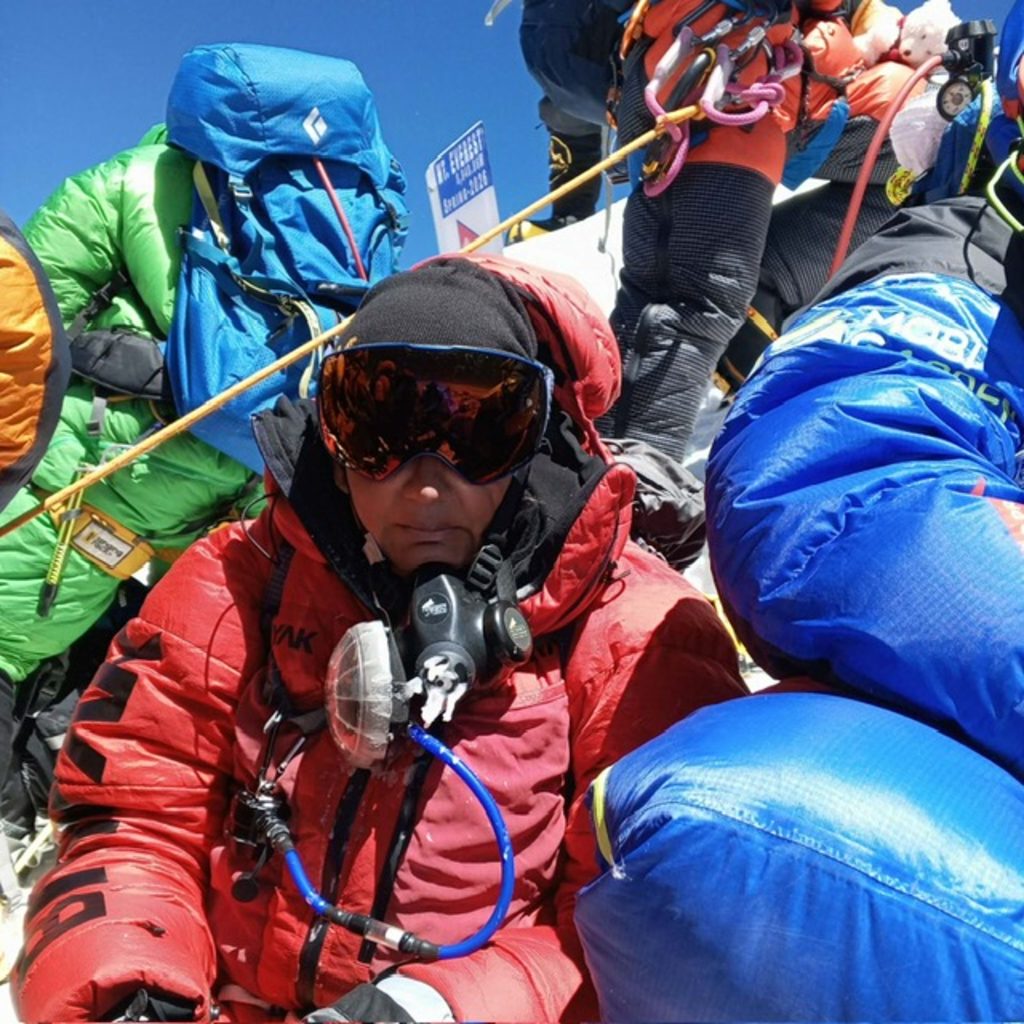
During the descent, Shika lost her vision and was unable to see. Picture: SUPPLIED
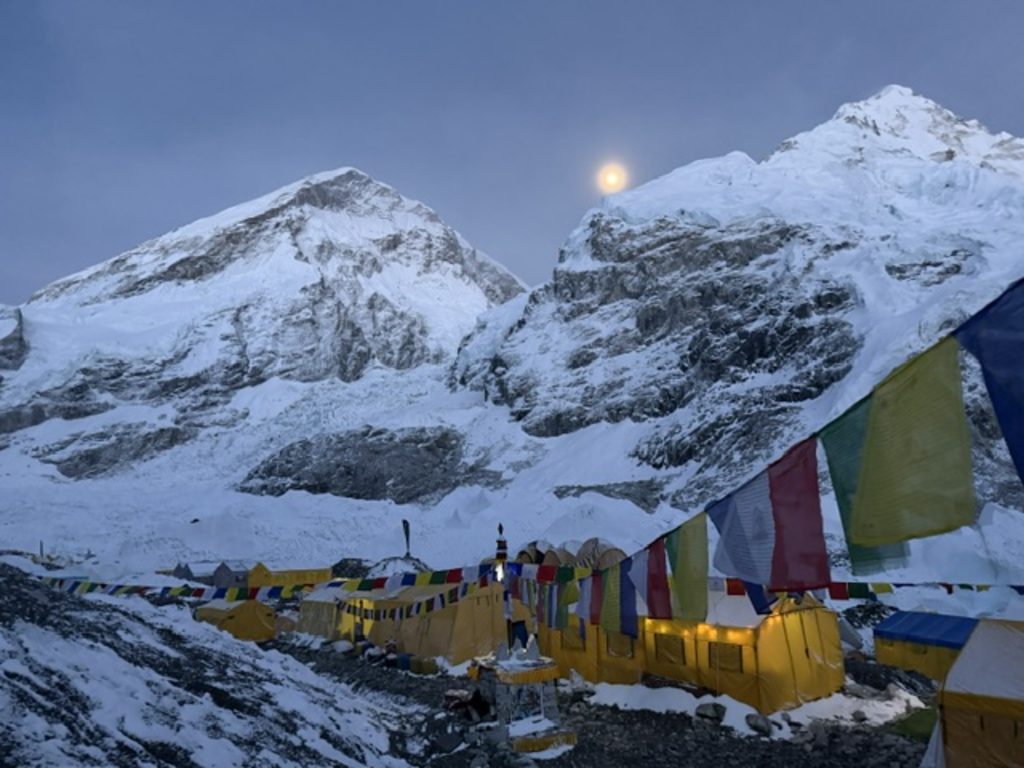
Everest is often romanticised as a triumph of courage and endurance, the reality is far more complex.
Picture: SUPPLIED
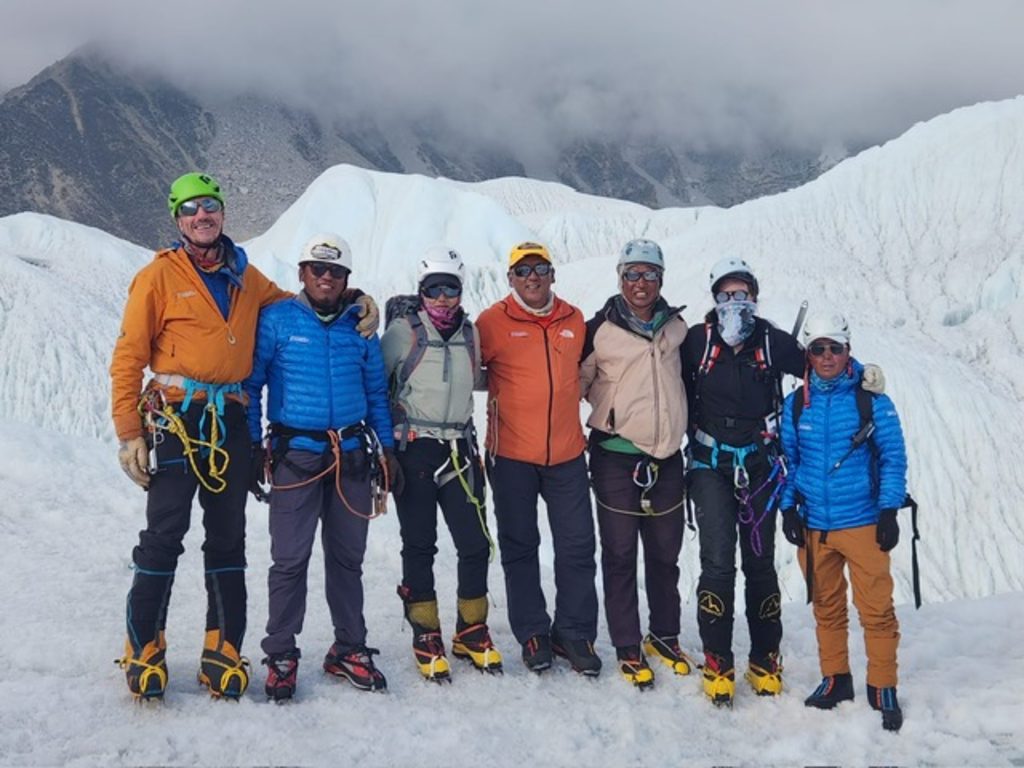
For Shika (third from left) becoming the first Fiji-born woman to climb Everest carries significance far beyond personal accomplishment. Picture: SUPPLIED
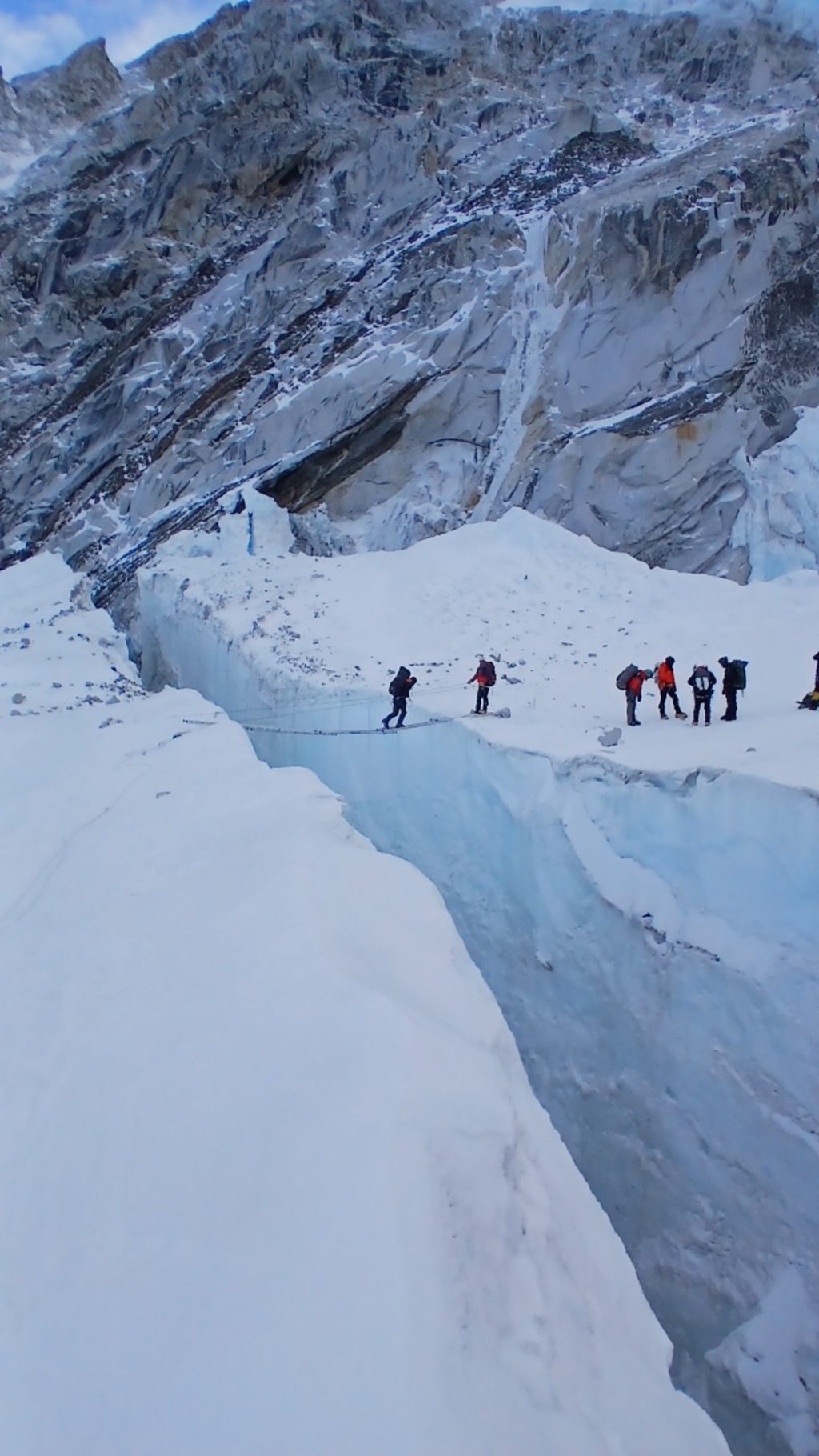
Having conquered Everest, Shika continues to pursue new challenges. Denali in Alaska remains on her bucket list, as does completing the Inca Trail Marathon in Peru. Picture: SUPPLIED

Shika Raju with her family. Picture: SUPPLIED
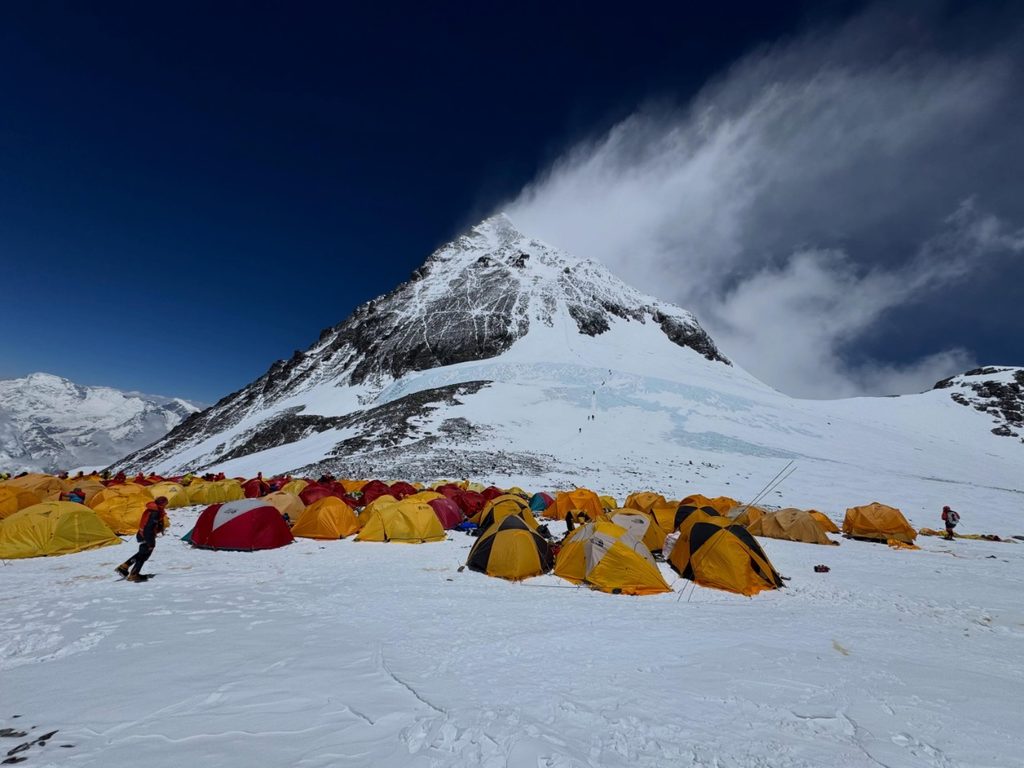
For Shika, Everest was never simply about reaching a summit. It was about purpose and discovering just how far human potential can stretch when matched with determination. Picture: SUPPLIED
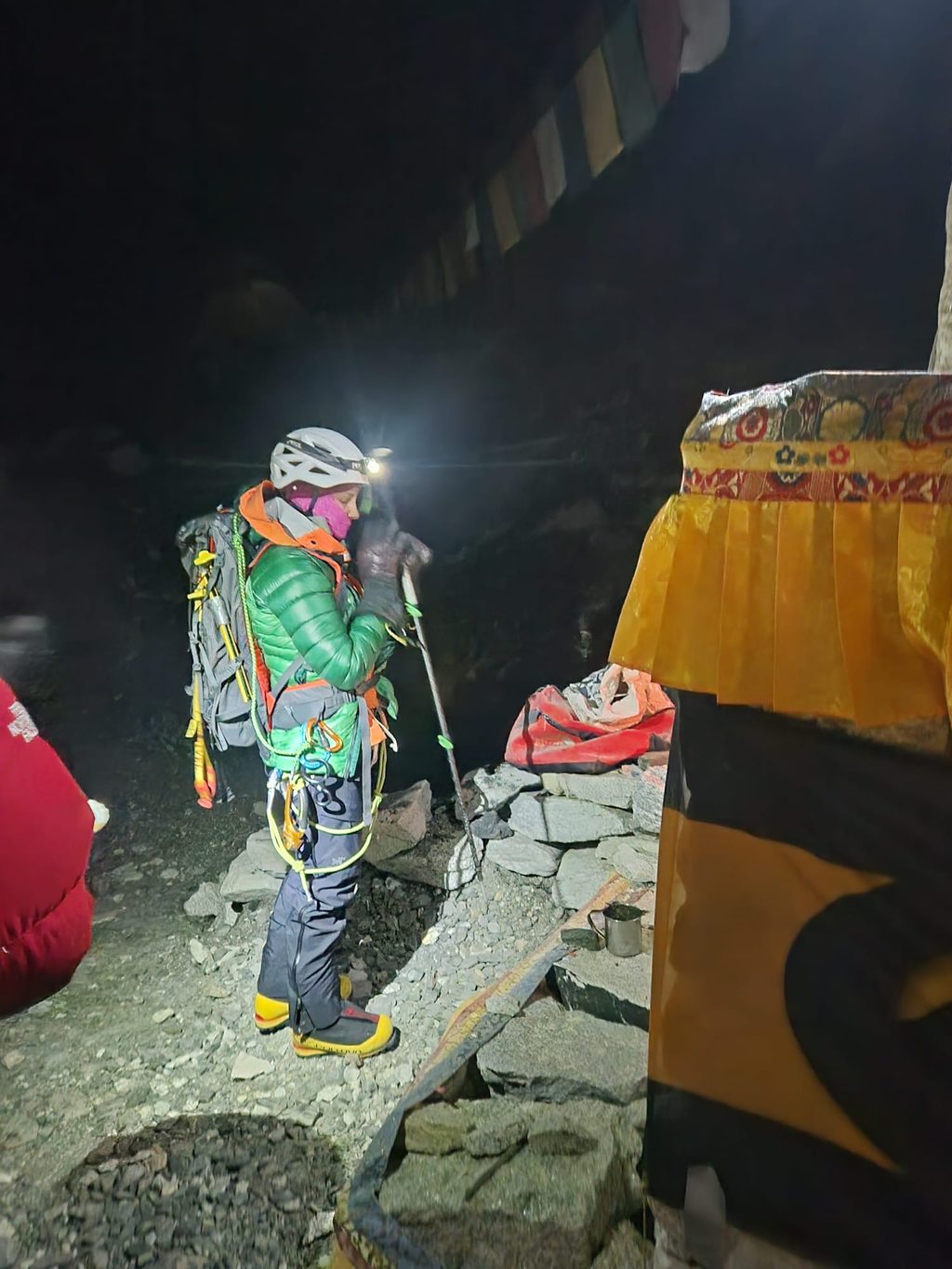
Today, Shika has earned a place in history as the first Fiji-born woman to successfully climb Mount Everest. Picture: SUPPLIED

