When the former Attorney-General Aiyaz Sayed-Khaiyum tabled the Illicit Drugs Control (Budget Amendment) Bill 2022 in Parliament on July 25, 2022, it marked one of the more consequential economic policy shifts in recent history. Introduced under Standing Order 51 as part of the 2022–2023 National Budget, the legislation was fast-tracked through Parliament, debated and passed within days, before coming into effect on August 1, 2022. At the centre of the amendment was a significant legal distinction that industrial hemp — provided it contained less than one per cent tetrahydrocannabinol (THC) — would no longer be classified as an illicit drug under Fiji’s principal narcotics legislation. The move has effectively laid the legal foundation for an industrial hemp sector in Fiji. Nearly four years later, however, the critical question is, has Fiji done enough to capitalise on what many analysts describe as a multi-billion-dollar global industry?
A law with major economic ambitions
The 2022 amendment was not merely symbolic, as it created a framework allowing the importation, cultivation, possession, sale and supply of industrial hemp under regulated conditions. Importantly, the legislation distinguished hemp from marijuana despite both originating from the Cannabis sativa plant. Hemp’s low THC levels meant it could not be used as a recreational narcotic, allowing policymakers to position the industry around agriculture, manufacturing, pharmaceuticals and sustainability rather than drug liberalisation. Government messaging at the time highlighted hemp’s economic promise. Globally, hemp is estimated to have more than 50,000 commercial uses spanning textiles, medicines, cosmetics, food products, construction materials and industrial manufacturing. Yet despite the legislative breakthrough, Fiji’s industrial hemp sector remains largely in the embryonic stage. This is occurring even as international markets accelerate investment into hemp-derived products and green manufacturing technologies.
The emerging global hemp revolution
Perhaps the most transformative development globally is hemp’s growing role as a sustainable alternative to petroleum-based plastics. Researchers from the University of Connecticut recently developed a hemp-derived thermoplastic capable of stretching to 1,600 per cent of its original size while maintaining durability under extreme heat. Published in the journal Chem Circularity, the research demonstrated the possibility of producing transparent plastic films, coatings and flexible materials from cannabidiol (CBD), a non-psychoactive compound found in hemp flowers. The implications are significant. Modern plastics such as polyethylene terephthalate (PET) — commonly used in water bottles and food packaging — rely heavily on crude oil and natural gas. Once discarded, they degrade into microplastics linked to inflammation, cellular damage and environmental contamination. By contrast, hemp-based plastics offer the possibility of biodegradable, renewable alternatives. Research leader Gregory Sotzing noted that current polycarbonate plastics are typically derived from bisphenol-A, an endocrine disruptor, and expressed hope that CBD could eventually replace it in industrial applications. While researchers acknowledge global CBD production remains insufficient to fully replace conventional plastics, the study highlights how rapidly hemp is evolving from an agricultural crop into a strategic industrial resource. For Fiji, this matters enormously.
Fiji’s plastic crisis
Industrial hemp’s relevance to Fiji extends beyond export earnings and agriculture. It may also offer part of the solution to one of the country’s fastest-growing environmental threats like plastic pollution and microplastic contamination. Fiji generates approximately 15,000 tonnes of plastic waste annually, with more than 7,000 tonnes potentially leaking into the ocean every year. Tourism compounds the challenge, with tourists estimated to generate seven times more plastic waste daily than local residents. More alarmingly, a 2026 study found that 75 per cent of coastal fish sampled in Fiji contained microplastics which is nearly double the global average. The contamination is now extending into mainstream water systems. A baseline study by the University of the South Pacific conducted this year confirmed the presence of microplastics in tap water, bottled water, rainwater and groundwater across Fiji. Tap water recorded the highest contamination levels, while some bottled water brands also showed elevated particle counts. Although the levels remain below critical pollution thresholds, researchers warned that daily ingestion is already occurring among the population. This is where the recent University of Connecticut research becomes particularly relevant for Fiji. The hemp-derived thermoplastic developed by researchers offers a possible long-term alternative to petroleum-based plastics such as PET, which are widely used in single-use bottles, food packaging and consumer goods that eventually degrade into microplastics. Unlike conventional plastics that depend heavily on crude oil and natural gas, hemp-based plastics are derived from renewable plant material and could potentially reduce the environmental burden associated with plastic waste For Fiji, the implications extend beyond simply importing greener alternatives. If industrial hemp cultivation were scaled locally, the country could eventually participate in producing sustainable packaging materials, biodegradable products and hemp-derived industrial inputs for domestic use and export. In effect, hemp presents a rare dual opportunity: addressing an environmental crisis while simultaneously creating a new agricultural and manufacturing industry. If commercialised successfully, hemp-based products could help Fiji reduce dependence on imported petroleum-based plastics, lessen pressure on fragile marine ecosystems and position the country within the rapidly expanding global green economy.
The pharmaceutical and export opportunity
Beyond sustainability, Fiji’s strongest potential advantage may lie in medicinal cannabis and pharmaceutical-grade hemp products. Government officials and industry stakeholders have increasingly signalled support for an export-only medicinal cannabis industry estimated to generate as much as $140 million annually. Rather than competing in lower-value raw cannabis markets, Fiji appears intent on targeting pharmaceutical-grade oils, extracts and nutraceutical products. The strategy aligns with broader global trends where cannabis-based wellness and therapeutic products are rapidly expanding. Officials have also pointed to possible integration with traditional Fijian medicinal knowledge, potentially creating a unique Pacific-focused wellness sector under the brand “Fiji” identity. This branding advantage could prove critical. In increasingly crowded global markets, Fiji’s international image — associated with pristine environments, natural wellness and premium tourism — offers valuable marketing leverage.
Textiles, superfoods and green construction
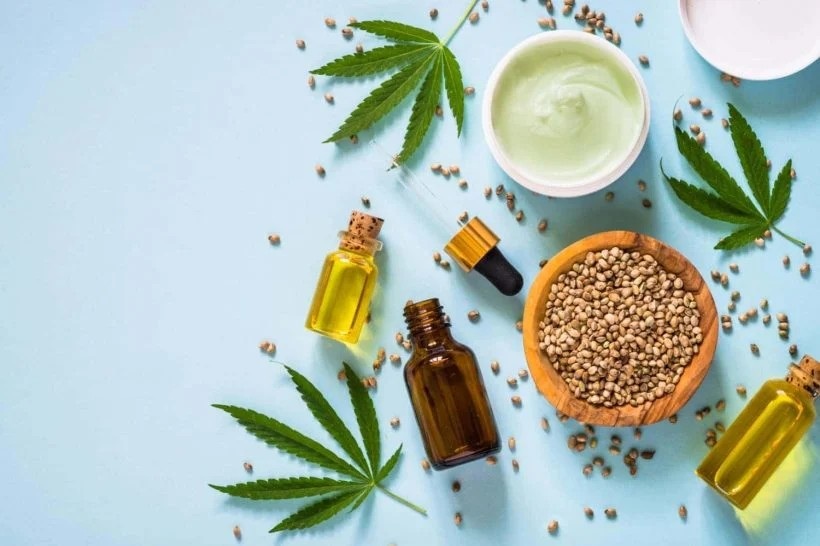
Industrial hemp’s versatility also creates opportunities across multiple sectors of the economy. The Textile, Clothing and Footwear Council has identified hemp fibre as a possible catalyst for Fiji’s manufacturing sector, particularly in high-end sustainable apparel. Globally, hemp textiles are gaining traction because of their durability, biodegradability and reduced environmental footprint compared with cotton and synthetic fibres. For Fiji, premium hemp-based fashion products targeting Australia, New Zealand and Asia-Pacific consumers could provide a new export niche. Similarly, hemp seeds and oils are increasingly marketed internationally as “superfoods”, rich in proteins, omega fatty acids and nutrients. Potential export products include cold-pressed hemp oils, protein powders and hemp-based skincare and cosmetic products. The construction sector presents another strategic possibility.
Hempcrete — a bio-composite building material made from hemp fibres — is attracting attention globally as a carbon-negative, fire-resistant alternative for sustainable housing. For a climate-vulnerable Pacific nation frequently confronting cyclones and rising environmental pressures, becoming a regional hub for hemp-based construction materials could align economic development with climate resilience goals.
Fiji’s natural advantage
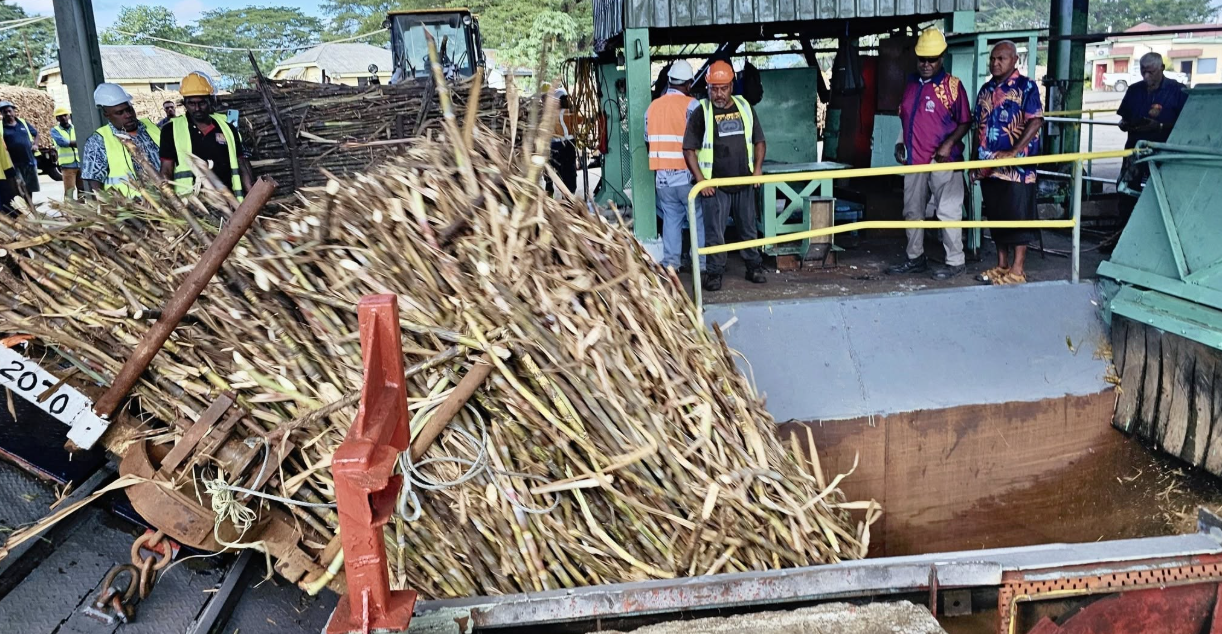
Few countries may be better geographically positioned for hemp cultivation than Fiji. Cannabis crops in Fiji’s tropical climate can mature within three months, allowing multiple harvest cycles annually — a major productivity advantage over temperate countries. Remote islands such as Kadavu also offer isolated growing environments suited to controlled, high-quality cultivation. Crucially, the industry is increasingly being discussed as a high-value diversification pathway away from Fiji’s struggling sugar sector. Compared with sugar cane, hemp potentially offers substantially higher returns per hectare while requiring relatively modest water and pesticide inputs.
The regulatory gap
Yet despite these advantages, implementation remains slow. As of late 2024 and early 2025, the Government and the Fiji Police Force were conducting broader reviews of the Illicit Drugs Control Act while simultaneously developing a new Counter Narcotics Bureau Bill aimed at strengthening Fiji’s response to evolving narcotics challenges. Those reviews may ultimately strengthen regulation and investor confidence. However, uncertainty surrounding future policy directions may also be delaying major private-sector investment. At present, the legislative architecture exists, but large-scale cultivation, processing infrastructure, pharmaceutical manufacturing and export systems remain underdeveloped. That gap between policy ambition and industrial execution may determine whether Fiji emerges as a Pacific leader in hemp production or merely becomes another country that legalised an industry without fully building one.
A defining economic test
The industrial hemp debate ultimately reflects a broader challenge confronting Fiji’s economy of whether the country can move beyond exporting raw commodities and instead build high-value, knowledge-driven industries. Hemp intersects with several of Fiji’s most pressing priorities simultaneously, which are economic diversification, environmental sustainability, manufacturing growth, climate resilience and agricultural reform. The global industry is expanding rapidly. International demand for sustainable materials, medicinal cannabis products and eco-friendly manufacturing inputs continues to rise. Fiji already possesses the legislative starting point, favourable growing conditions and an internationally recognised brand. What remains uncertain is whether the country can now move from legislation to large-scale execution.