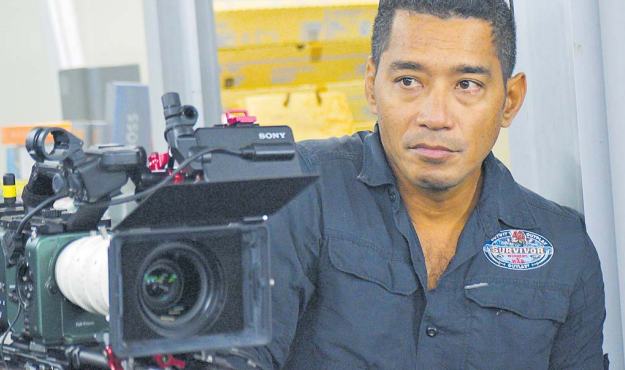
Fiji’s film industry has reached unprecedented levels of growth and Fiji National University is urging more women to take up space behind the camera.
Adi Tulia Nacola, assistant instructor in Film and Television at FNU, said international productions were now hiring local crews for four to eight months annually, while local filmmakers were also gaining international recognition.
FNU works closely with Film Fiji to secure internships and encourages collaboration between students, graduates, and established filmmakers.
The university also follows up with graduates now working in film and television to bring them back to share experiences with current students.
“The industry exists, we need to continue to upskill and create the labour force to meet the demands of these productions coming in,” Ms Nacola said in an interview with The Fiji Times.
She said while filmmaking globally remained male-dominated, Fiji’s developing industry presented a unique opportunity.
“For females in Fiji who are interested in film, now is the opportune time because you can be involved with the development of the industry, you can create the spaces for women now.
“The hurdle for women is getting over their own fear of being good enough to be included in these spaces.
“Once we get over that fear, you’re free to create relationships and surround yourself with like-minded people.”
The call for more diversity was echoed this week during a visit to FNU by 2026 Emmy-nominated cinematographer and director of photography, Lanza Coffin.
“Our very own Tulia Nacola, being the first woman in Fiji’s history to write, produce and direct Fiji’s first feature length film in the iTaukei language.
“It’s inspiring! We need more diverse voices, more women, in the film industry.
“I believe not only the industry, but the country as a whole will be much better for it.
“We need more of them. We need as diverse of a voice as possible in this industry.
“When it comes to storytelling, which filmmaking definitely is at its very core, we need a wide variety of voices to reflect the diverse people that call Fiji home.”
Coffin said he has worked with many female filmmakers who “balance out what used to be a very male centric industry, especially in roles behind the scenes”.
He pointed to global examples including Autumn Durald Arkapaw, “the first female in history to win Best Cinematographer for her work on the film ‘Sinners’,” and Chloe Zhao, “who won Best Director at the Oscars for her work on Nomadland, became the first female of colour to win that award.
“We need more diverse voices, more women, in the film industry,” Coffin said.
“I believe not only the industry, but the country will be much better for it.”
The Fiji National University offers the Certificate IV in Film and Television Production through the College of Humanities and Education.
The course offers hands-on program, equips students with technical skills in scriptwriting, producing and directing, editing, cinematography, and sound design, often featuring practical industry attachments with local and international productions.