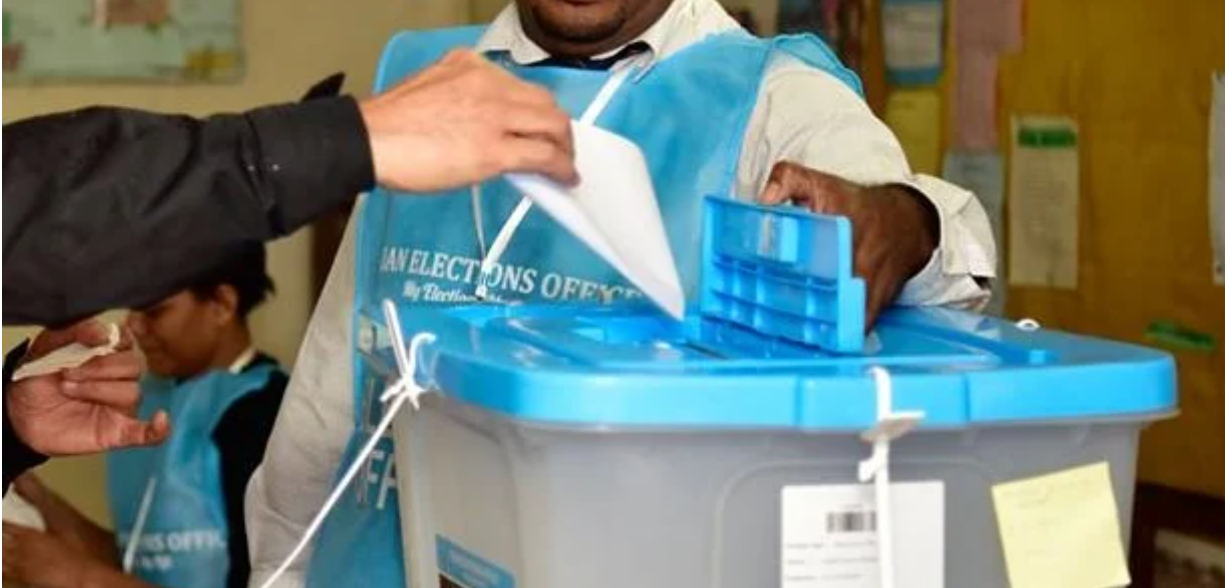
The Fiji Law Society (FLS) has raised serious concerns over amendments to the Electoral Act 2014 that it says seek to shield certain decisions of the Electoral Commission from further judicial review.
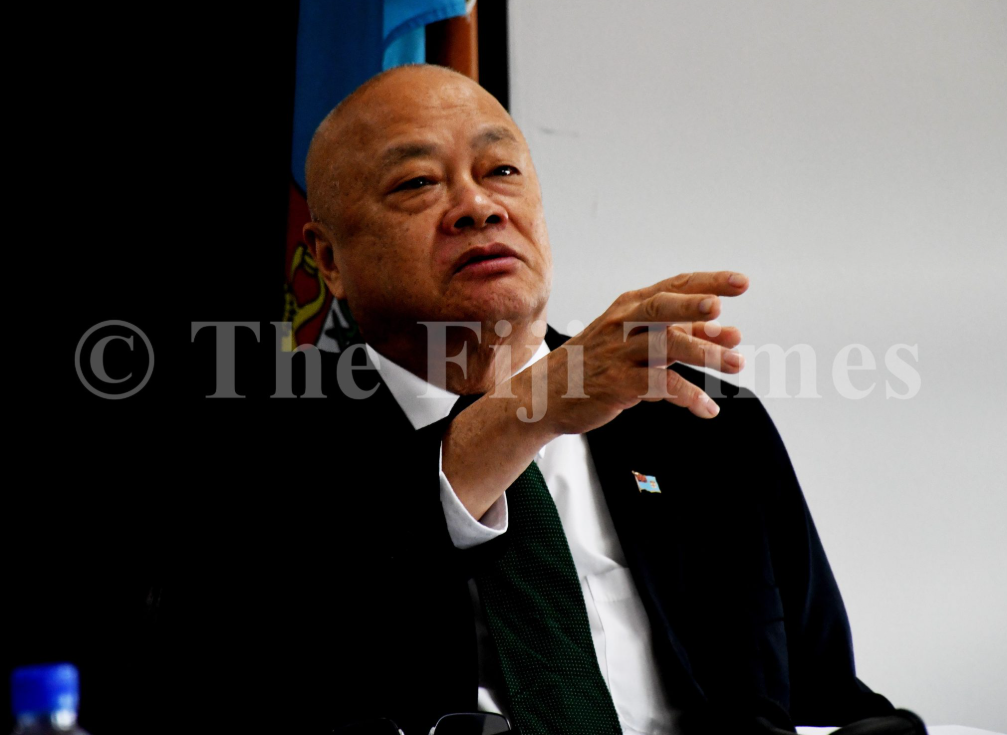
FLS president Graham Leung warned that the changes raised fundamental questions about the rule of law, constitutional accountability and the protection of democratic freedoms in Fiji.
“We are particularly concerned that Parliament has extended the potential duration of restrictions on civil society organisations while also introducing a provision that purports to shield certain decisions of the Electoral Commission from further judicial review,” Mr Leung said.
He said the changes could have serious implications for the constitutional accountability of institutions exercising public power.
The Society also expressed concern over expanded restrictions on civil society organisations receiving foreign funding or assistance.
Under section 115 of the Electoral Act, affected individuals and organisations face restrictions on election-related campaigning, including organising debates, public forums, meetings, interviews, panel discussions and publishing election-related material.
The FLS said these activities were essential to democratic participation, allowing citizens to examine political ideas, scrutinise public policies and make informed electoral decisions.
It stressed that the Constitution guaranteed freedom of expression, assembly, association and political participation.
“These are not merely individual privileges. They are essential safeguards of democratic government,” the Society stated.
The latest amendment also extends the period during which restrictions apply, replacing the previous timeframe that began following the announcement of an election date with the entire officially declared campaign period.
The Electoral Commission declared the campaign period open on May 25, 2026.
With the next general election potentially taking place as late as February 6, 2027, affected organisations could face restrictions lasting more than eight months.
During the 2022 General Election, the corresponding period was approximately 45 days.
The Society questioned the necessity and proportionality of extending restrictions for such a lengthy period, particularly when independent voter education and public discussion were most important.
It warned that the amendments could affect both the ability of civil society organisations to participate in electoral discussions and the judicial oversight of decisions made by the Electoral Commission.