Fiji has hit a critical economic crossroads that leaves the Government with no other option but to hand the reins of national development over to the private sector, the Ministry of Finance has said.
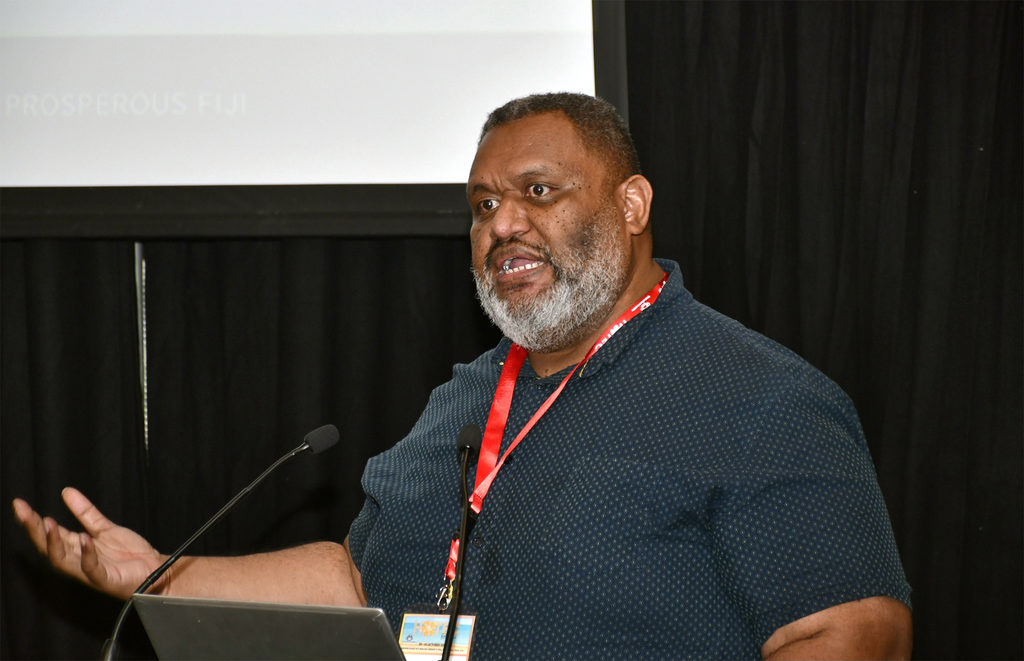
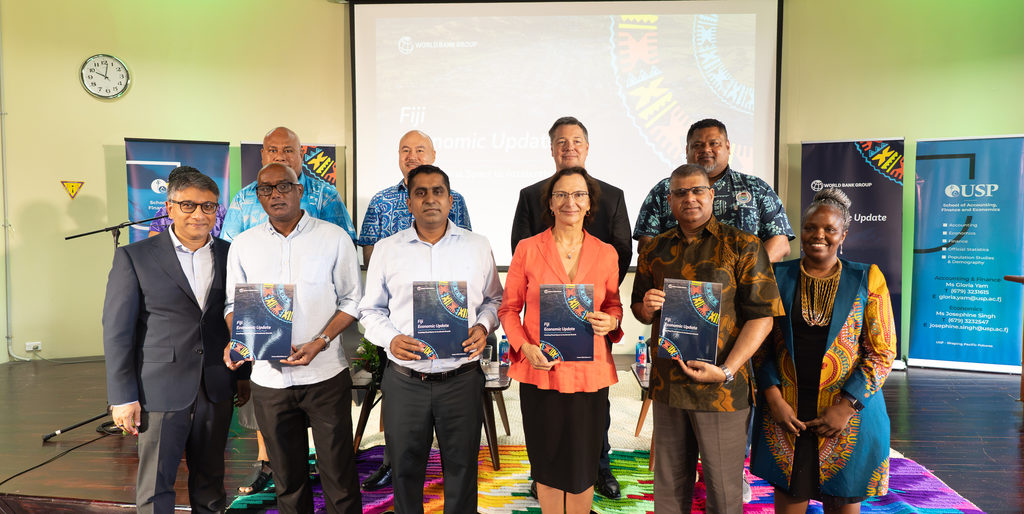
Speaking at the launch of the World Bank Group’s inaugural 2026 Fiji Economic Update at USP in Suva yesterday, ministry permanent secretary Shiri Gounder issued a direct assessment of the state’s lost fiscal space.
He said post-pandemic developments and global crises had induced a major build-up in public debt, leaving the Government with an immediate, urgent crisis of rebuilding lost fiscal space.
“We now have a situation where the debt servicing cost for Government is significantly higher, almost over 10 per cent of government expenditures,” Mr Gounder said.
He said increased fiscal deficits over the years, where debt grew much faster than the economy, posed medium-term challenges to the balance of payments and foreign exchange, while increasing vulnerability to shocks.
“The fiscal challenges also pose major challenges in terms of Fiji not being able to allocate adequate resources for capital spending, which is having major challenges for creating the much-needed infrastructure, which is critical for private sector growth,” Mr Gounder said. As a result, he said the Government was looking to the private sector to drive development.
“There’re no other options left for this nation but to help private sector take the lead in the growth and development of the country. It’s much easier said… but it needs a lot of tough decisions also around reforms that’s going to address some of our major structural impediments in this country that has been blocking growth and development.”
Mr Gounder said rebuilding fiscal space would require leadership and tough choices to build political consensus and manage public expectations because the choices ahead were not easy.
The event marked the first time the World Bank has prepared a regular economic update specifically dedicated to Fiji. Commenting on the launch, World Bank Regional Director for the North and South Pacific, Tatiana Proskuryakova, said the country-specific analysis aimed to support better economic growth and job generation.
“Because at the end of the day, it’s all about better lives for the people of Fiji. So I’m really hoping that the reports we’re launching today will serve as a basis for informed discussion,” Ms Proskuryakova said.
“For this to work, what we have learned is it’s very important for countries to be in the driver’s seat of their own economic development.”
She added the analysis was conducted because the World Bank felt Fiji “needs better data and better information to help make more informed decisions about its future” as it prepares its new four-to-five-year country partnership strategy.